Natural Rubber vs Synthetic Dog Chew Toys: Which is Better for Your Pet Brand?

Natural Rubber: Material Properties and Manufacturing
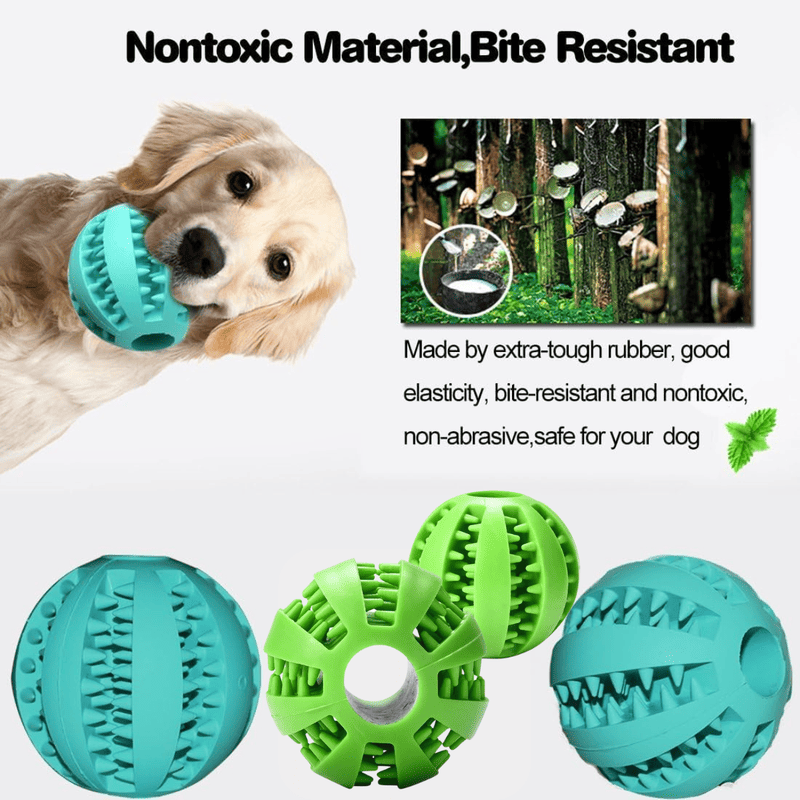
Natural rubber is harvested from the latex sap of Hevea brasiliensis trees that are cultivated primarily in Southeast Asia, with Thailand, Indonesia, and Malaysia accounting for the majority of global production. The material's molecular architecture consists of long polyisoprene polymer chains that are cross-linked through a carefully controlled vulcanization process, creating a three-dimensional network that provides exceptional elasticity, tensile strength, and resilience. Natural rubber can be stretched to 600 to 800 percent of its original length and will return to its original dimensions without permanent deformation, a property technically known as elastic recovery that is critically important for dog chew toys that must withstand thousands of repeated biting cycles over weeks and months of use. The material exhibits inherent antimicrobial properties because its hydrophobic surface resists bacterial adhesion and biofilm formation, which is a significant safety advantage for products that will be repeatedly moistened with saliva and stored in various household environments where bacterial growth could otherwise become a concern.
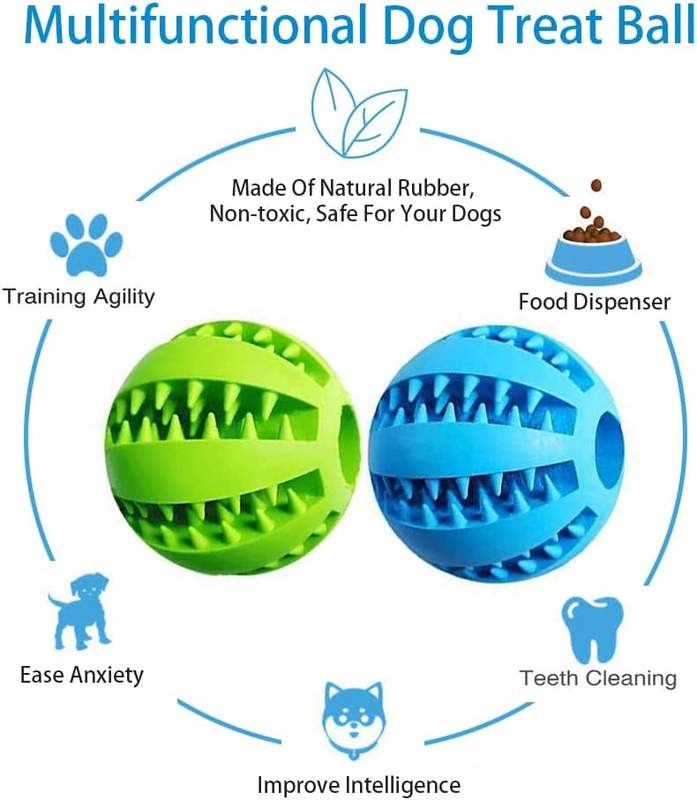
From a safety compliance perspective, natural rubber holds a distinct advantage over synthetic alternatives because it meets FDA 21 CFR 177.2600 compliance for repeated food contact without requiring any chemical additives, plasticizers, or stabilizers. The material is naturally BPA-free and phthalate-free, and it does not require the catalytic residues or processing aids that are necessary for petroleum-based synthetic production. PetTech Global's OEM ODM Tough Durable Natural Rubber Dog Chew Ball Toy is manufactured using food-grade natural rubber that has been independently certified to meet ASTM F963 safety standards for the United States market, EN71 compliance for the European Union, and REACH chemical safety regulations, providing wholesale buyers with the comprehensive certification documentation required for retail placement across multiple international markets. Durability testing conducted by third-party laboratories demonstrates that natural rubber toys withstand approximately 12,000 compression cycles at 300 Newtons of applied force, which significantly outperforms TPR materials that fail at approximately 8,000 cycles and provides comparable durability to nylon while delivering superior elasticity and safety characteristics.
The environmental profile of natural rubber is another compelling advantage for brands that position themselves as environmentally responsible. Under ASTM D6954 biodegradation testing standards, natural rubber achieves 68 to 82 percent biodegradation within 12 months in simulated landfill conditions, compared to less than 2 percent for TPR, TPE, and nylon products. The carbon footprint of natural rubber production is also substantially lower, with lifecycle assessment data showing 1.3 to 1.7 kilograms of CO2 equivalent emitted per kilogram of natural rubber produced, compared to 3.2 to 5.8 kilograms per kilogram for petroleum-based synthetic alternatives. For wholesale buyers developing brands with sustainability commitments, these environmental metrics provide powerful marketing differentiation and resonate with the 68 percent of pet owners who express preference for sustainable pet products according to Pet Sustainability Coalition consumer surveys.
Synthetic Alternatives: TPR, TPE, and Nylon
Thermoplastic rubber and thermoplastic elastomer materials represent the primary synthetic alternatives to natural rubber in the pet toy market, and they are manufactured through entirely different chemical processes. TPR and TPE are petroleum-based polymers that are produced through the copolymerization of styrene and ethylene-butylene or similar monomer combinations, creating materials that can be injection molded into complex shapes with relatively low tooling costs. The primary advantage of synthetic materials is economic: TPR and TPE typically cost 30 to 50 percent less per unit than natural rubber at the wholesale level, making them attractive for budget-tier product lines and promotional items. However, this cost advantage is accompanied by significant compromises in performance and safety. TPR toys fail at approximately 8,000 compression cycles, which is one-third fewer cycles than natural rubber, and the failure mode is qualitatively more dangerous because TPR tends to crack and produce sharp-edged fragments that can be swallowed or cause oral injuries. TPR also contains plasticizers that can migrate to the surface and leach out over time, particularly when exposed to heat, sunlight, or the acidic environment of a dog's mouth.
Nylon occupies a different position in the material spectrum because it offers excellent hardness and abrasion resistance that makes it suitable for dental chew toys where the primary function is mechanical plaque removal rather than elastic chewing resistance. Nylon toys demonstrate 15,000 to 20,000 cycles in compression testing, exceeding natural rubber in raw cycle count, but the material's hardness creates a different category of risk. Veterinary dental specialists at the American Veterinary Dental College have documented increased incidence of slab fractures and other tooth damage in dogs that regularly chew hard nylon products, particularly among power chewers that apply maximum bite force. The material is also non-biodegradable, contributing to plastic accumulation in landfills, and its carbon footprint of 3.2 to 5.8 kilograms of CO2 equivalent per kilogram is two to four times higher than natural rubber. From a wholesale economic perspective, natural rubber delivers superior margins because its 55 to 65 percent retail margin significantly exceeds the 45 to 55 percent margin available from TPR products, and its 4 to 7 percent return rate is substantially better than the 10 to 15 percent returns typical of synthetic alternatives. PetTech Global's OEM services enable brands to develop custom formulations and packaging for both material lines. Browse the Pet Fun collection or view the Natural Rubber Chew Ball for wholesale specifications.