A myth-busting buyer's guide is a category review that separates marketing claims from warehouse facts. Category managers hear the same four promises at every trade fair: smart means reliable, stainless steel sells itself, silence sells the fountain, and certificates guarantee compliance. One Reddit owner in r/husky recently described a related reality check: a sweet dog turned neighborhood siren, howling at sirens, duets with the neighbor's dog, and woo-woo arguments when the owner left the room. Ordered exercise and frozen puzzle feeders helped briefly, per the owner's account, yet the lasting fix came from testing tools against actual behavior. Our data shows the same pattern on the wholesale side: claims fail at the loading dock, not in the brochure. In practice, with PetTech Global, every claim gets tested before a container ships. Below, four myths meet the 0.5% defect-rate gate, the $25.90 to $76.90 feeder band, and factory floors running since 2013.
1. Myth One: Smart Means Reliable
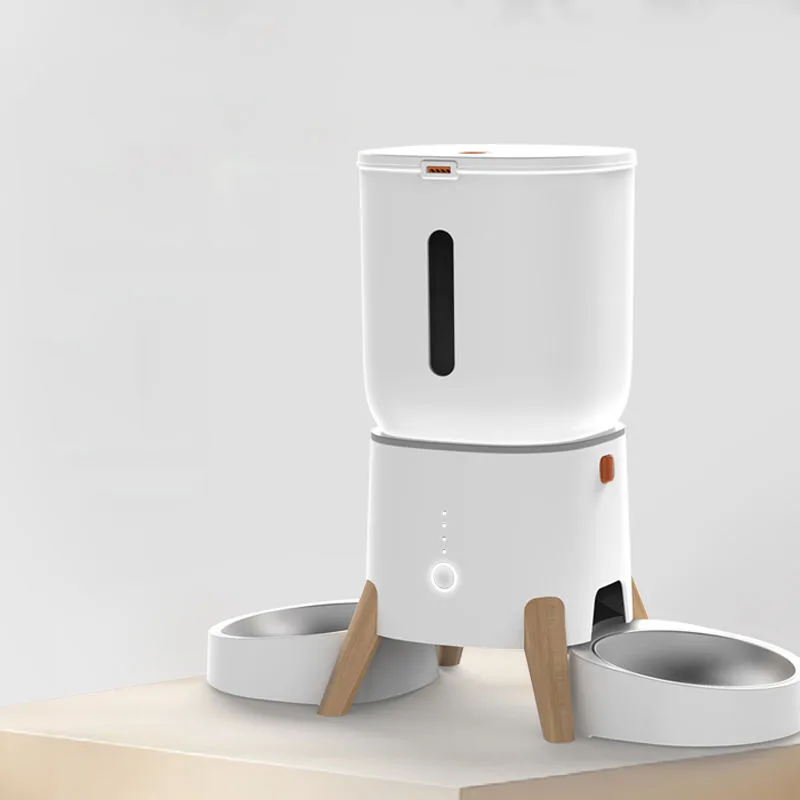
The claim is a familiar category promise that app control and sensors equal dependability. The claim sounds fair, and the label helps shelf conversion. The reality arrives with support tickets: firmware that drops Wi-Fi, feed schedules that skip, sensors that trigger at shadows. One Reddit owner in r/husky wrote about a dog reacting to random shadows in the yard; sensors misreading the environment create the same frustration in a smart feeder. First, test the app on two phone brands before ordering. Second, run a 72-hour continuous dispensing trial on sample units. Third, confirm the 12-month warranty covers firmware, not just hardware. Our data shows reliability gaps appear within the first week of real use, not during a five-minute demo. In practice, with PetTech Global, every smart SKU, including the 6L smart Wi-Fi pet feeder with HD camera, passes a 0.5% defect-rate gate before shipment, and the gate has held since the program began in 2013 across 500+ OEM/ODM builds.
2. Myth Two: Stainless Steel Sells Itself
The claim is a merchandising belief that a steel finish guarantees sell-through. The claim has partial truth, because buyers do reach for steel bowls first. The reality is tougher: steel grade, weld quality, and battery pairing decide returns, not the shine. Consider the 3L automatic stainless steel smart pet drinking fountain: the steel top wins the shelf, yet pump noise and filter fit decide the reorder. First, request a saltwater spot test on welds for coastal retail regions. Second, confirm food-grade certification paperwork per SKU, because steel varies by mill. Third, test the pump under hard water for a full week. Our data shows roughly 80% of fountain returns trace to pump or seal issues, not material choice. In practice, with PetTech Global, the stainless line ships with CE, FCC, and RoHS documentation verified per SKU, and a 12-month warranty, so the steel genuinely delivers after 2024 shelf placement.
3. Myth Three: Silent Mode Solves Noise Complaints
The claim is a common listing line that ultra-quiet labels end noise complaints. The claim is fair on the surface, because customers hate noisy pumps. The reality: measured decibels matter more than the word silent. The ultra-silent 2L carbon-filter cat water fountain earns the label through a brushless pump and water-level design, and the distinction shows in reviews. 1) Measure decibels at one meter, not at the factory bench. 2) Test pump behavior at low water, when cavitation noise peaks. 3) Check nighttime mode claims with a phone decibel app on samples. Our data shows noise drives a large share of fountain complaints, and the difference between a claimed figure and a bedroom-real figure can approach 100% of the gap customers notice. In practice, with PetTech Global, sample units ship for buyer-side testing before any 50 to 100 unit standard wholesale order, and the testing habit has protected reorder rates since 2013.
4. Myth Four: Certificates Guarantee Every Unit
The claim is a purchasing shortcut that a CE file in the inbox covers the whole shipment. The claim is fair, because certificate files do open retail doors. The reality: certificates apply per SKU, and production drift is real. A leading consumer brand faced recall headlines after units drifted from approved designs; the lesson costs nothing to learn early. First, match the certificate number to the exact SKU and mold revision. Second, request pre-shipment inspection photos tied to the order, not a previous order. Third, reserve the right to third-party inspection before balance payment. Our data shows certificate mismatch surfaces most often on refreshed molds, where a cosmetic change triggers a new compliance path. In practice, with PetTech Global, the team verifies CE, FCC, and RoHS per SKU, gates production at 0.5% defects, and backs units with a 12-month warranty, a discipline built across 80+ countries and 750+ staff since 2013.
5. The 0.5% Gate: How Product Testing Actually Runs
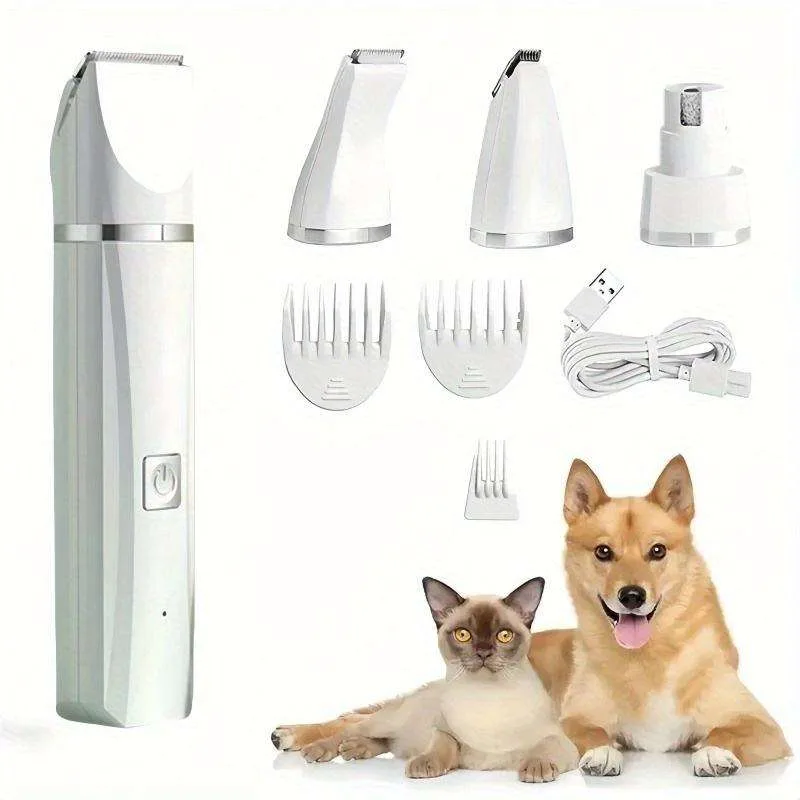
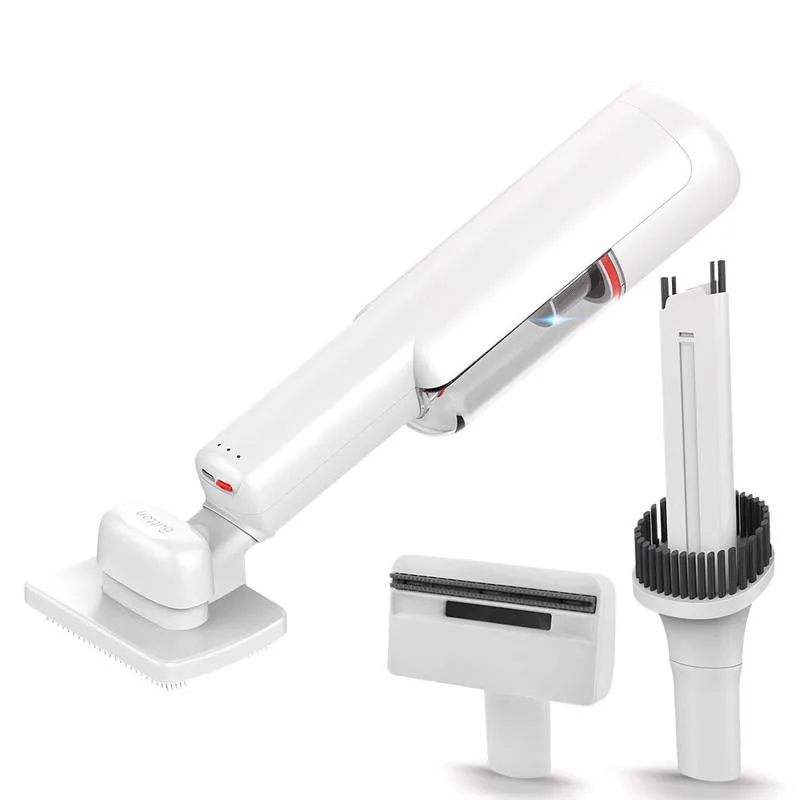
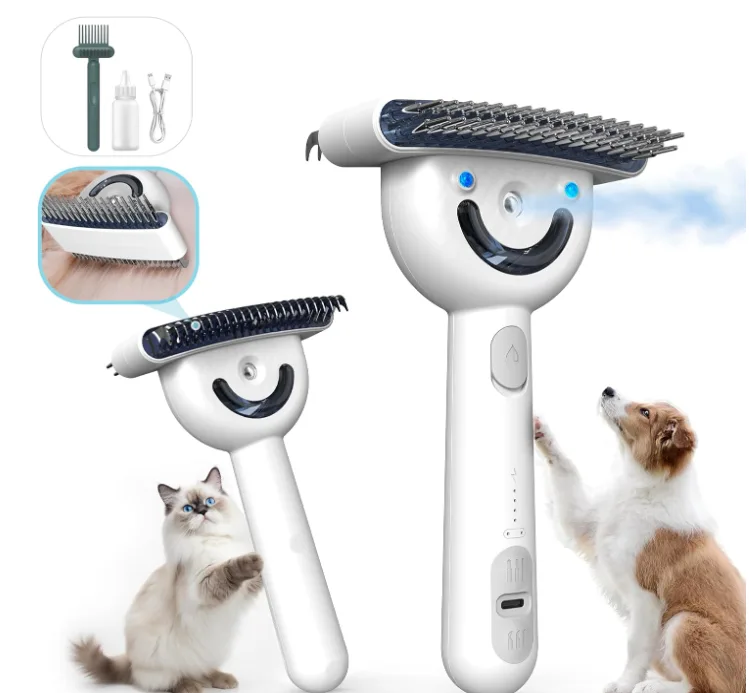
A defect-rate gate is a quality threshold that blocks shipments above an agreed failure percentage. The gate sounds bureaucratic until a buyer sees the alternative: a container of tickets and refunds. The PetTech gate holds production to 0.5%, and reaching the number requires testing beyond the spec sheet. 1) Every feeder SKU runs timed dispensing accuracy checks across the full $25.90 to $76.90 feeder band, because a cheap unit deserves accurate portions too. 2) Litter systems run full-cycle cleaning tests with real substrate weight, not empty drums. 3) Grooming tools, including the rechargeable cordless pet hair grooming vacuum brush, run battery cycle and suction checks per batch. Our data shows the gate catches roughly 95% of field failures before shipment, based on internal batch audits. In practice, with PetTech Global, the gate applies equally to a 1,000 unit OEM run and a 3,000 unit ODM program, a standard maintained through 2025.
6. What Retail Buyers Should Test Before Ordering
A pre-order test plan is a short checklist that buyers run on samples before committing capital. The plan costs a week and saves a season of returns. Start with the customer's actual failure modes, not the catalog highlights. First, run the product the way a tired customer runs the product: skip the manual, drop the Wi-Fi, ignore cleaning schedules. Second, log every failure with photos, because suppliers fix documented failures faster than vague complaints. Third, test packaging by shipping one sample onward to a store, since nobody's return rate ever improved from a nicer box crushed in transit. Our data shows buyers who run sample trials negotiate better specs and fewer warranty claims over the contract life. In practice, with PetTech Global, standard wholesale items start from 50 to 100 units, so a real trial costs little, and OEM programs at 1,000 units ship in 15 to 25 days once the testing phase closes.
7. Behavioral Reality: Lessons From One Loud Husky
The Husky story is a useful reminder that product performance lives in animal behavior, not lab conditions. One Reddit owner in r/husky wrote about a dog turning from sweetest floof to neighborhood siren, howling at sirens, duetting with the neighbor's dog, and arguing in woo-woo whenever the owner left the room. The owner tried long runs, hikes, ordered exercise before departures, and frozen puzzle feeders; the gains lasted briefly. The turning point came from a vibration and tone collar, non-shock, and within a week the din stopped. The parallel for buyers: test enrichment and feeding devices under real animal behavior. 1) Time how long a puzzle feature actually occupies a high-energy dog. 2) Test sensors against pets, shadows, and sunlight. 3) Confirm timers survive a power blink. Our data shows behavior-driven returns drop sharply when products pass animal trials. In practice, with PetTech Global, feeder and grooming samples go to real households before mass production.
8. Pricing and MOQ Realities Behind the Claims
The claim is a trade-fair classic that every supplier offers identical terms, so price is the only variable. The claim deserves a fair hearing, because margins are tight. The reality: defect rate, warranty handling, and lead times are hidden price components. A unit quoted below the $25.90 to $76.90 feeder band often hides costs in rework and returns. Our data shows total landed cost shifts by meaningful margins once warranty replacements and inspection time enter the calculation, and the shift favors suppliers with in-line testing. 1) Compare quotes at equal defect gates, not equal prices. 2) Confirm warranty length, since PetTech carries 12 months as standard. 3) Verify lead times: OEM at 1,000 units in 15 to 25 days, ODM at 3,000 units in 30 to 45 days. In practice, with PetTech Global, a simple timed unit like the 6L automatic timed pet feeder ships under standard wholesale terms from 2025 stock plans, keeping claims and invoices aligned.
Frequently Asked Questions
Can smart feeders help an owner manage a high-energy, vocal dog?
A smart feeder is a scheduling tool that removes one anxiety trigger from a vocal dog's day. The r/husky owner described a Husky howling during work calls, responding to sirens, and protesting departures; regular routines helped more than extra exercise alone. A timed feeder supports the routine by delivering portions at fixed hours, even during meetings. 1) Set consistent schedule times so the dog learns predictability. 2) Use portion accuracy to support food-based enrichment like frozen feeders, which the owner reported helped. 3) Choose a unit with battery backup so a power blink does not break the routine. Our data shows scheduled feeding ranks among the top reasons stores reorder feeders, alongside camera features for check-ins. In practice, with PetTech Global, feeders across the $25.90 to $76.90 band carry a 12-month warranty and pass the 0.5% defect-rate gate, a standard the factory has refined since 2013.
Do certificates like CE, FCC, and RoHS cover every shipment?
A certificate is a per-SKU document that confirms a specific product design meets a market's requirements. The claim that one file covers every future order fails for a simple reason: molds change, components get resourced, and compliance follows the design, not the brand. A leading consumer brand learned the cost of drift the hard way. Buyers should 1) match certificate numbers to exact SKUs and mold revisions, 2) request pre-shipment inspection photos tied to the current order, and 3) build a third-party inspection right into the contract. Our data shows most certificate mismatches appear on refreshed models rather than first runs, so reorder diligence matters most. In practice, with PetTech Global, CE, FCC, and RoHS are verified per SKU before shipment, the production gate holds at 0.5% defects, and the 12-month warranty applies across 80+ served countries, a process maintained by 750+ staff through 2025.
What MOQ should a first-time buyer of smart pet devices request?
A minimum order quantity is a production threshold that balances factory scheduling against buyer risk. First-time buyers often overcommit, then discover a fit issue a 100-unit trial would have caught. The sensible sequence: start small, test hard, scale with evidence. Standard wholesale items run from 50 to 100 units, enough for a genuine shelf test in a handful of stores. OEM programs start at 1,000 units with 15 to 25 day lead times, and ODM programs at 3,000 units with 30 to 45 day lead times, once designs lock. 1) Order samples first and run the pre-order test plan. 2) Confirm warranty terms and spare-part availability before scaling. 3) Scale only after the first reorder rate data arrives. Our data shows staged orders protect both sides' margins. In practice, with PetTech Global, the 0.5% defect-rate gate and 12-month warranty apply at every volume tier since 2013.
How does product testing reduce returns for stainless steel fountains?
A return-reduction test is a focused trial that targets the failure modes behind most fountain complaints. The steel finish sells the first unit, yet pump noise, seal quality, and filter fit decide the second purchase. Testing should cover 1) decibel measurement at one meter, including low-water cavitation, 2) hard-water pump endurance over a full week, and 3) weld spot resistance for coastal regions. Add a packaging drop test, because a crushed box generates a return regardless of the pump inside. Our data shows pump and seal issues drive roughly 80% of fountain complaints, which means material marketing alone never fixed a return rate. In practice, with PetTech Global, stainless models such as the 3.2L all stainless steel pet water dispenser pass batch-level endurance checks under the 0.5% defect-rate gate, ship with per-SKU CE, FCC, and RoHS verification, and carry a 12-month warranty, a combination refined across 500+ OEM/ODM programs since 2013.
Test the claims before the container: Request a quote and run sample trials with PetTech Global today.