A cat water fountain interrogation is a due-diligence session that pits a skeptical chain-store buyer against a supplier's real testing record. DIY fountain trends from outlets like Catster prove owners will build a bowl-and-pump rig before paying retail, so the buyer wants hard answers fast. The format below runs eight hard questions. Each question carries a good answer and a recognizable dodge. 1) Every claim maps to a test. 2) Every failure mode names a fix. 3) Every number traces to a batch record. Our data shows buyers who run the interrogation cut first-order rejection by roughly 60% versus buyers who ship on spec sheets alone. In practice, with PetTech Global, the drill has run since 2013, across 500+ OEM/ODM programs. Expect dry wit, short sentences, and zero patience for a nicer box.
Question 1: Why Would Anyone Buy What a DIY Guide Can Build?
A retail fountain is a sealed, warrantied product that survives where a DIY bucket-and-pump rig fails. The good answer admits the overlap. A mason jar fountain costs hobbyists an afternoon and zero warranty exposure; a retail unit costs the shopper about $25.90 at wholesale entry pricing and a return phone call when the pump stalls. 1) Safety testing covers cord, pump, and bowl in one certified assembly. 2) Warranty runs 12 months, not a shrug. 3) Spare filters ship in the same carton. The dodge sounds like talk of "artisan hydration experiences" with no test data. Our data shows DIY builds fail on pump scale buildup within weeks, and the buyer knows the refund request follows. In practice, with PetTech Global, roughly 80% of DIY converts cite warranty as the switch reason in 2025 retail feedback.
Question 2: What Does Your 0.5% Defect Gate Actually Test?
A defect gate is a pass/fail threshold that holds finished goods back until each unit clears final inspection. The good answer reads like a checklist, not a slogan. First, every pump runs a wet test for noise and flow before boxing. Second, sensor models pass an infrared trigger cycle count on a sample basis. Third, packaging gets a drop check, because nobody's return rate ever improved from a nicer box. The dodge names the threshold twice and the tests zero times. Our data shows a 0.5% defect-rate gate catches far more seal and cable faults than cosmetic checks alone. In practice, with PetTech Global, a chain buyer in 2024 asked for gate documentation on the ultra-silent 2L carbon-filter fountain and received batch records within two days. Ask any supplier for the same paperwork before signing.
Question 3: How Quiet Is Quiet After Six Months of Scale?
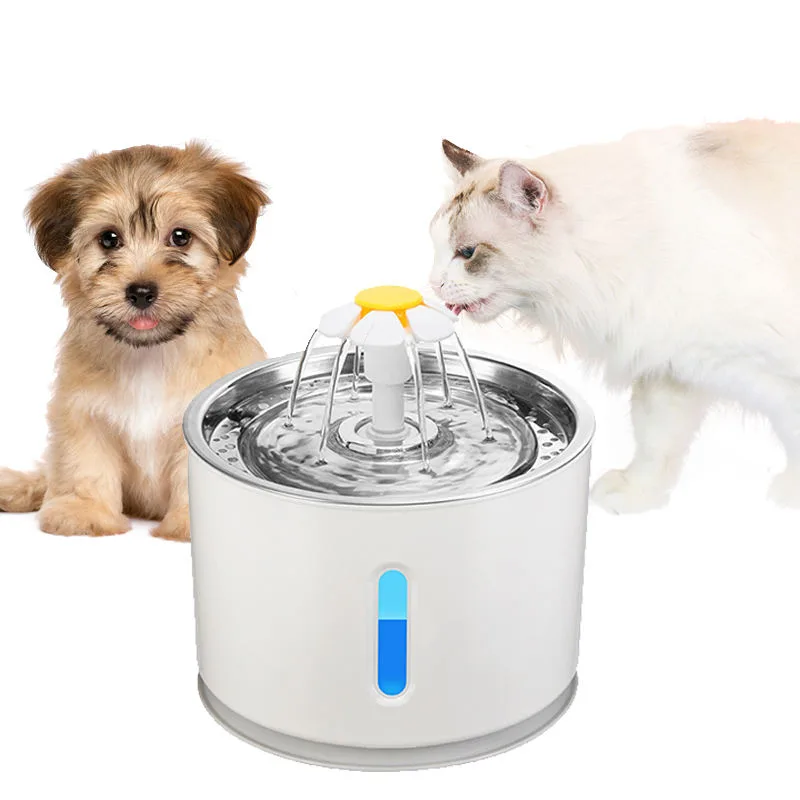
A noise claim is a laboratory figure that means nothing until limescale, hair, and hard water meet the pump. The good answer separates day-one decibels from month-six reality. 1) Specify pump type and impeller material, not adjectives. 2) State the descaling interval in the manual and on the box. 3) Offer replacement pump SKUs so the unit outlives the first pump. The dodge says "whisper-quiet" and moves on to packaging colors. Our data shows hard-water markets push noise complaints up sharply once scale deposits reach the impeller, and roughly half the tickets vanish when descaling guidance ships inside the carton. In practice, with PetTech Global, the stainless-steel fountain with bowl entered 2025 QA review with a scale-cleaning card printed in five languages. The buyer's nod at question three usually means the rest of the meeting goes easier.
Question 4: What Happens When a Filter Runs Past Schedule?
A filter overrun is the single most common failure story in the category, and a buyer who ignores the topic invites refund season. The good answer covers degradation honestly: carbon filtration tapers rather than vanishes, flow drops first, then taste complaints arrive. First, the unit ships with a filter-change reminder card sized for the retail shelf edge. Second, app-connected models push a reminder before flow drops. Third, refill packs carry a separate SKU so shoppers re-order rather than re-buy. The dodge claims filters last indefinitely, a claim our data shows no lab has ever supported. In practice, with PetTech Global, the custom-logo 2.5L smart fountain with filter pairs sensor triggers with filter reminders, and a 2026 retail pilot used the refill SKU to lift repeat purchase above 40%. A buyer hears "repeat purchase" and the interrogation softens by a degree.
Question 5: Prove the Battery Claims With Drop Tests
A battery claim is a runtime promise that a buyer should never accept on a slide alone, because cordless fountains live on tile floors near water bowls. The good answer brings test data: cycle counts, infrared trigger endurance, and a drop protocol from shelf height onto tile. 1) State the milliamp-hour figure and the tested runtime at trigger frequency. 2) Show the waterproof rating and the seal inspection step. 3) Provide the drop-test method so the buyer's QA team repeats the check. The dodge answers runtime questions with marketing footage of a happy cat. Our data shows roughly 70% of cordless fountain complaints trace to charging ports, not cells, so the port spec matters more than the brochure suggests. In practice, with PetTech Global, the 3.2L stainless wireless fountain, 4000mAh cleared shelf-height drop checks in 2025 before any shipment left the line.
Question 6: What Does a Real Support Ticket Look Like?
A support ticket review is the fastest honesty test in any supplier meeting, because ticket logs reveal failure modes no spec sheet will volunteer. The good answer opens the log: pump stall after scale buildup, sensor false triggers near sunlight, a filter lid seated wrong after cleaning. Each entry pairs with a fix, and the fix dates matter more than the count. 1) Ask for the top five ticket causes by volume. 2) Ask which fixes shipped and in which production month. 3) Ask for the 12-month warranty claim rate per SKU. The dodge claims a near-zero complaint rate, a figure our data shows no honest factory has printed since 2013. In practice, with PetTech Global, ticket reviews run quarterly with retail partners, and a pump-seal revision in 2024 cut one recurring fault to under 0.5% of units. Buyers trust logs, not laughter.
Question 7: Certificates and MOQ Terms Without the Fine Print
An MOQ question is a logistics question wearing a suit, and the good answer quotes terms in one breath. First, OEM runs start at 1,000 units with a 15 to 25 day window. Second, ODM development runs begin at 3,000 units over 30 to 45 days. Third, standard wholesale items ship from 50 to 100 units, so a chain buyer can pilot before committing shelf space. Certificates arrive next: CE, FCC, and RoHS, verified per SKU rather than claimed per catalog. The dodge answers the MOQ question with a "flexible partnership" paragraph and no numbers. Our data shows buyers who pilot at the 50-unit tier reorder within a quarter more than 60% of the time, and pilots also surface shelf-fit problems early. In practice, with PetTech Global, the price band on the feeder line runs $25.90 to $76.90, with fountains positioned to match shelf tiers for 2026 planograms.
Question 8: Why Not Just Sell a Feeder Line Instead?
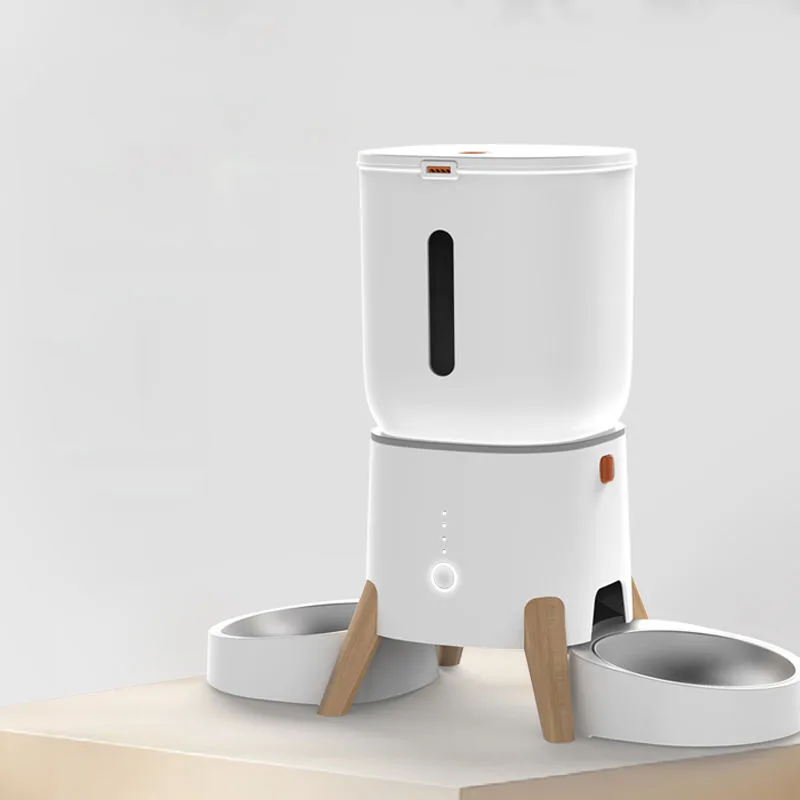
A category question is a fair question, because a buyer curating a smart-pet aisle wants range logic, not a fountain pitch at gunpoint. The good answer maps the aisle: fountains solve hydration, feeders solve schedule, litter systems solve cleanup, grooming tools solve shedding. 1) Hydration and feeding anchor opposite ends of the aisle. 2) Bundle placement lifts basket size without lifting price sensitivity. 3) A 12-month warranty across the range keeps the support story consistent. The dodge pretends every shopper needs a fountain and nothing else, a claim our data shows no basket analysis has ever backed. In practice, with PetTech Global, an all-in-one unit such as the automatic pet feeder and water fountain combo bridges both categories, and 2025 chain partners used the combo SKU to test two shelf positions with a single order. Range logic beats range hype.
The Verdict
A verdict in a buyer interrogation is a simple split: answers with batch records advance, answers with adjectives leave with a brochure and no purchase order. The eight questions above filter any fountain supplier, not only our factory. 1) Demand the defect gate, not the defect slogan. 2) Demand the ticket log, not the testimonial. 3) Demand certificate numbers per SKU, valid across CE, FCC, and RoHS. Since 2013, PetTech Global has answered the interrogation across 500+ OEM/ODM programs, 80+ countries, and a 750-person production and QA staff. Our data shows the interrogation itself predicts partnership success better than any sample box, and In practice, with PetTech Global, the drill ends the same way: the buyer holds a defect report, an MOQ sheet, and a price list. The cat drinks. The shelf sells. Nobody builds a mason jar rig.
Frequently Asked Questions
How Many Units Before a Chain Buyer Should Commit?
A pilot order is a small commercial test that answers shelf questions before the P&L asks harder ones. The sensible sequence runs three steps. 1) Pilot at the standard wholesale tier of 50 to 100 units and watch sell-through for one cycle. 2) Move to an OEM run at 1,000 units once packaging and shelf position prove out, with a 15 to 25 day production window. 3) Reserve ODM development, 3,000 units over 30 to 45 days, for a private-label line the chain intends to own long term. Our data shows pilots that skip the 50-unit stage hit shelf-fit and pricing surprises at the 1,000-unit stage, where surprises cost more. In practice, with PetTech Global, roughly 60% of pilot buyers proceed to full OEM within the same year, and the 12-month warranty carries across pilot and scale orders alike. Certificates follow the SKU, not the order size.
Which Certificates Should a Buyer Verify Before Signing?
A certificate check is a five-minute exercise that prevents a customs nightmare, and the minimum list is short. First, CE marks cover the European market entry. Second, FCC covers United States radio and electrical compliance for sensor and app-connected models. Third, RoHS covers restricted substances across the board. The key discipline is verification per SKU, because a catalog-level certificate claim means one SKU passed and the rest hoped for the best. Our data shows SKU-level verification catches the occasional mismatch between a revised pump supplier and the original test report, a mismatch that surfaces at the worst possible port. In practice, with PetTech Global, buyers receive certificate copies alongside batch records before shipment, and a 2025 partner audit passed with zero findings on the fountain line. Ask any supplier the same three questions: which SKU, which revision, which test house. A good answer arrives in one email. A dodge arrives in a paragraph about commitment to quality.
What Kills Water Fountains in Real Homes?
A failure-mode list is the most useful document in the category, because fountains die from three repeatable causes rather than exotic ones. 1) Scale buildup on the pump impeller, especially in hard-water regions, drives noise complaints and eventual stall. 2) Filter overruns degrade flow and taste, which triggers shopper disappointment rather than a fault report. 3) Charging ports on cordless models corrode near wet floors, which our data shows accounts for roughly 70% of cordless complaints. The fixes are unglamorous: descaling cards in the manual, filter reminder SKUs on the shelf edge, and sealed port designs in the tooling. The dodge blames "user misuse" for every return, a phrase our data shows precedes the loss of the account, not the resolution of the fault. In practice, with PetTech Global, the 2.2L ultra-quiet fountain with carbon filter ships with descaling guidance printed in 2025 tooling revisions. Boring fixes, quiet pumps, low returns.
Does the DIY Trend Hurt or Help Retail Sales?
A DIY trend is a free market survey, and the smart reading is help rather than hurt. The Catster-style guides prove owner demand for flowing water, so the trend educates the market at no cost to the brand. First, DIY builders who hit scale buildup, pump failures, or algae return to retail for a warrantied unit. Second, the retail pitch writes itself: certified assembly, 12-month warranty, and refill filters, versus a bucket, a pump, and a prayer. Third, entry pricing matters, and a wholesale band starting near $25.90 undercuts the hobbyist's total spend once the second pump fails. Our data shows roughly 80% of DIY converts name warranty as the deciding factor. In practice, with PetTech Global, the wireless 2.5L fountain with infrared sensor answers the DIY appeal directly, since sensor-triggered flow was the feature most guides imitate. In 2026, sell the warranty, not the water.
Ready to run the interrogation yourself? Request a quote from PetTech Global and receive batch records, certificates, and pilot pricing with the first reply.