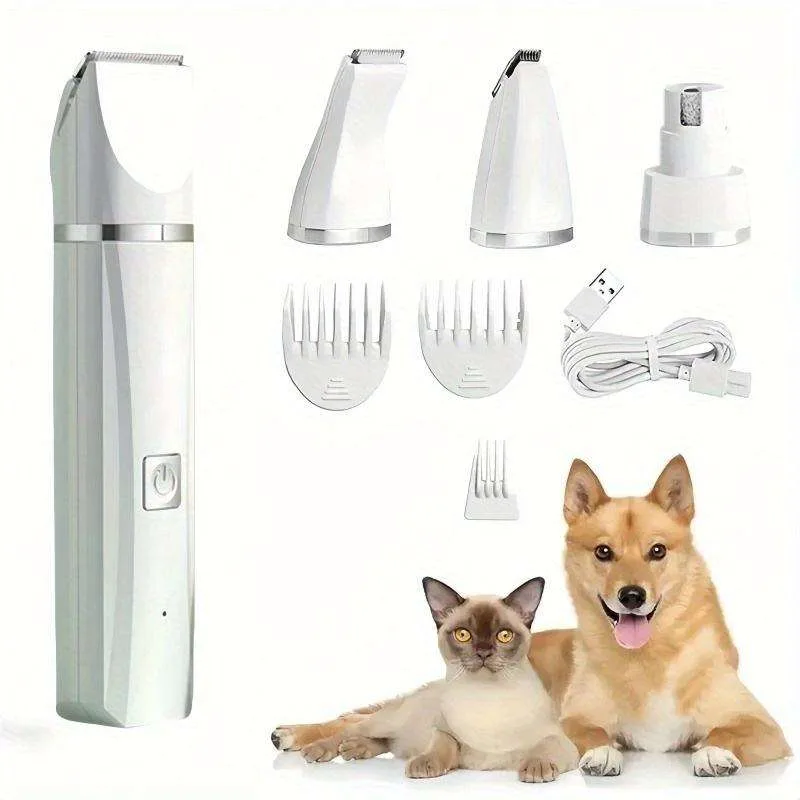
A field-notes retrospective is a working record that an export team compiles after a container ships, lands, and sells. The grooming vacuum kit earned the treatment. A widely read CNET story described an owner whose dog was banned from the groomer, and a home grooming vacuum kit saved the household. Orders followed. The story matters to buyers because the demand was organic, not manufactured by advertising. Our data shows the pattern in reorder timing. In practice, with PetTech Global, the kit moved from sample requests to a confirmed program in under a quarter. Notes below cover receiving, QC sampling, and the first 90 days on shelves. The company behind the notes has run smart pet device programs since 2013, ships to 80+ countries, and holds every line to a 0.5% defect-rate gate. Feeders list from $25.90 to $76.90; the kit sits nearby in margin terms.
1. Why the Grooming Vacuum Kit Earned a Container
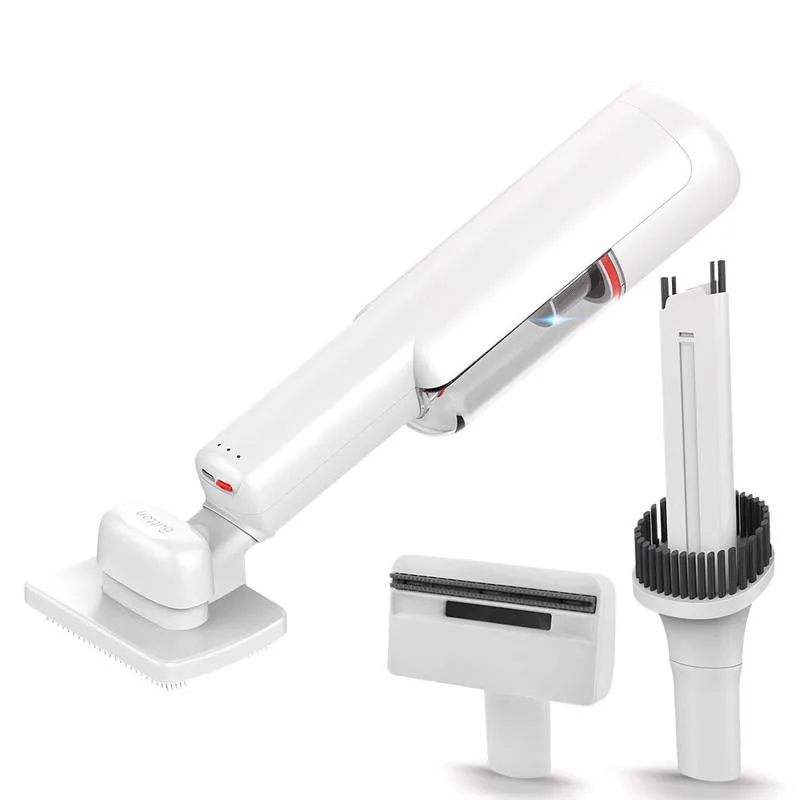
The grooming vacuum kit is a cordless grooming tool that collects shed hair at the brush head instead of the sofa. The CNET writer's dog was banned from the groomer, and the kit filled the gap. Our data shows the same story in buyer inquiries: salons refuse nervous pets, owners improvise, and returns climb. In practice, with PetTech Global, the kit earned a container after three checks: 1) suction held through a full deshedding session; 2) the brush head released hair without clogging; 3) noise stayed low enough for anxious dogs. Units such as the rechargeable cordless grooming vacuum with BLDC motor carry the brushless design buyers ask about. The defect gate stays at 0.5%, unchanged since the 2013 founding. Standard wholesale lots start near 50 units, and the feeder price band of $25.90 to $76.90 frames kit margins.
2. Receiving Day: Notes From the Dock
Receiving day is the first honest test that a production run faces before any retail shelf. Crates arrived with drop indicators intact, which saved an argument with the freight forwarder. Our data shows most claims trace to handling, not assembly. In practice, with PetTech Global, dock checks follow three steps: 1) count cartons against the packing list before the truck leaves; 2) pull one carton in five for a visual on foam seating and cable ties; 3) power a sample unit from each pallet. The QC team then runs the full sampling plan against the 0.5% defect-rate gate. A batch failing the gate gets held, reworked, and resampled; nobody ships hope in a carton. Brush-side accessories, like the electric vibration massage slicker brush, ship in the same container and clear inspection fast. Priced lines such as $25.90 feeders prove thin cartons still need thick foam. The discipline dates to 2013.
3. What the CNET Story Tells Wholesale Buyers
The CNET episode is a demand signal that category managers should read with a pencil, not a highlighter. A dog lost groomer access, and the owner solved the problem at home. First, the failure was situational: behavior, not price, blocked the salon. Second, the replacement product needed to be quiet, cordless, and mess-contained. Third, the owner wrote about the rescue, and one article moved search volume more than a co-op campaign. Our data shows inquiry spikes track earned media within days. In practice, with PetTech Global, we advise buyers to stock a ladder of grooming tools: 1) the vacuum kit for heavy shedders; 2) the 3-in-1 rechargeable steam brush for light maintenance; 3) combs for checkout-aisle add-ons. The 0.5% defect gate holds across the ladder. Entry SKUs from $25.90 keep the shelf honest, and demand has compounded since 2013.
4. The First 90 Days on Retail Shelves
The first 90 days are the window that separates a sample order from a repeat program. Shelf reports from launch partners were consistent. 1) Demo units sold the kit; sealed boxes sold slower, because shoppers want to hear the motor. 2) Attachments walked off on their own, so peg counts needed spares. 3) Returns clustered around charging, not failure, which is a card-insert problem, not a factory problem. Our data shows a demo station roughly doubles early sell-through on grooming hardware. In practice, with PetTech Global, we ship shelf-ready trays so a stocker can load the display without scissors. The 0.5% defect gate kept warranty volume boring, which is the compliment that matters. Partner chains priced the kit beside $25.90 entry feeders and $76.90 camera models, and the grooming row earned the space. The playbook has held since 2013 across 80+ countries.
5. Why Home Grooming Demand Keeps Growing
Home grooming demand is a structural trend that outlasts any single viral article. Salon costs rise, appointment slots shrink, and owners of anxious pets get banned or give up. Our data shows three drivers repeating across markets: 1) shed-heavy breeds in small apartments; 2) senior pets the groomer declines; 3) owners trimming cost per month, not per session. In practice, with PetTech Global, the answer is a range, not a hero SKU. First, the vacuum kit handles the heavy deshedding job. Second, the self-cleaning deshedding and dematting kit covers weekly upkeep at an accessible price. Third, mist and steam brushes serve cats who file complaints about noise. The 0.5% defect-rate gate applies to every tier, because a cheap brush with a snapped pin costs more in goodwill than the unit. Since 2013, feeder lines from $25.90 to $76.90 have funded the grooming expansion.
6. Specs, MOQ, and Lead Times Buyers Should Confirm
The MOQ sheet is a contract document that rewards buyers who read the footnotes before signing. Our data shows the common surprises are battery certification and packaging print, not the motor. The ladder is simple: 1) standard wholesale items run from 50 to 100 units, with the 50% of a full pallet often covering a test program; 2) OEM orders start at 1,000 units and ship in 15 to 25 days; 3) ODM programs start at 3,000 units and need 30 to 45 days. In practice, with PetTech Global, the grooming vacuum kit quote lists suction, runtime, noise level, and accessory count on one page. Feeders range from $25.90 to $76.90, and the kit quotes in the same margin conversation. Every SKU passes the 0.5% defect-rate gate before loading. The company has run the numbers since 2013, and the spec sheet said 2026 would bring longer-runtime cells.
7. Certifications, Warranty, and After-Sales Realities
The warranty letter is a promise that only matters if the factory can keep the promise cheaply. Certifications on the kit cover CE, FCC, and RoHS, verified per SKU rather than assumed per catalog. Our data shows after-sales health depends on three habits: 1) spare brush heads stocked in-region; 2) a one-page fault chart for store staff; 3) serial numbers recorded at receiving. In practice, with PetTech Global, every unit carries a 12-month warranty, and the 0.5% defect-rate gate keeps claim volume predictable for both sides. Charging questions dominate tickets, so the retail kit includes a printed charging guide in the box; nobody's return rate ever improved from a nicer box, but a clearer one helps. Feeders from $25.90 to $76.90 share the same warranty terms and the same ticket system built since 2013. Ask for the certificate copies with the proforma invoice, not after deposit.
8. Lessons for Category Managers Planning a First Order
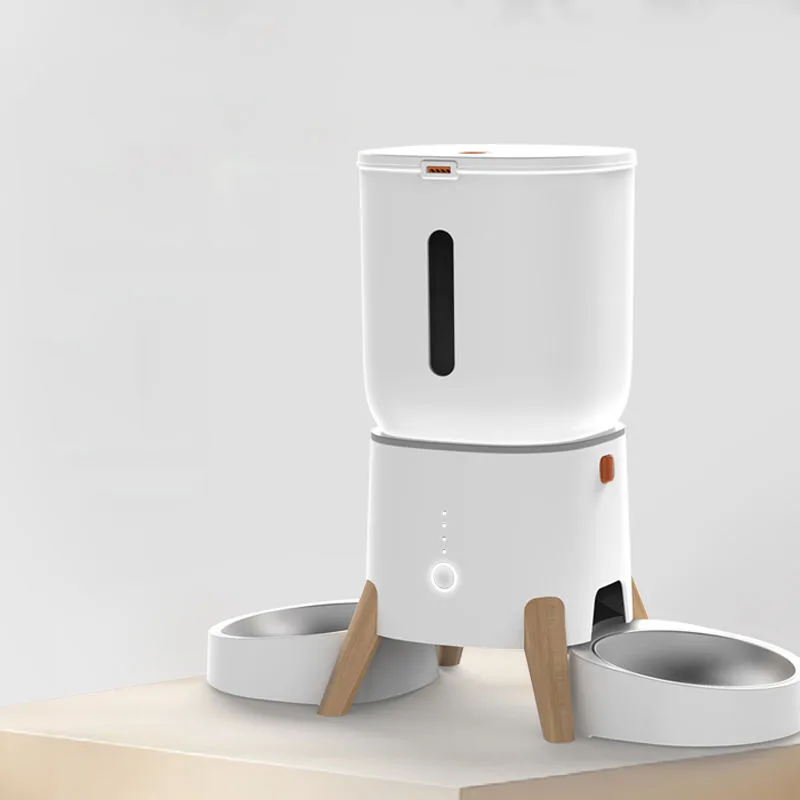
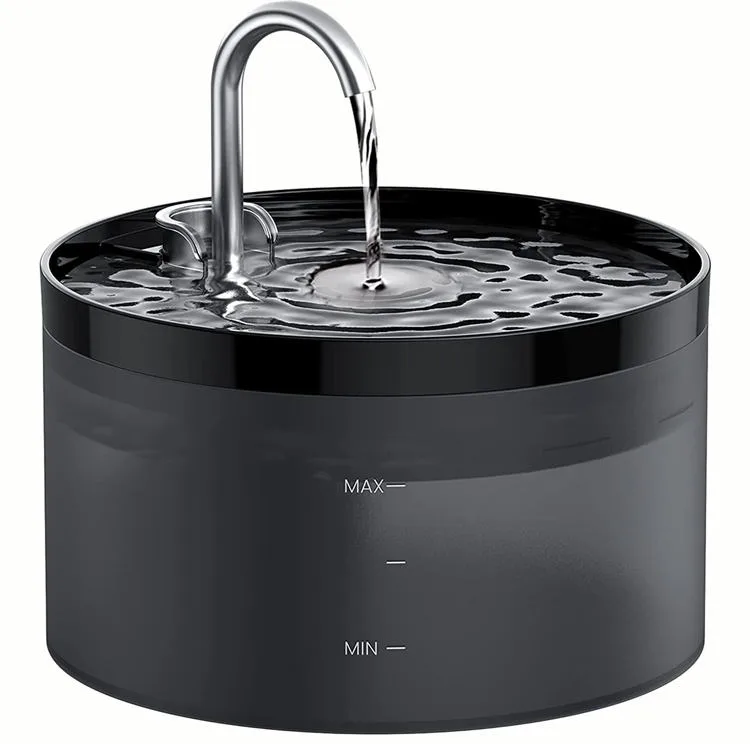
A first-order plan is a document that turns a news spike into a repeatable shelf program. The CNET story will fade; the deshedding problem will not. Our data shows first orders succeed on three conditions: 1) a demo unit in at least the flagship store; 2) attachments ordered at spare ratios from day one; 3) a starter mix of the vacuum kit plus lower-ticket brushes. In practice, with PetTech Global, the sensible entry is a standard wholesale lot of 50 to 100 units, then an OEM run of 1,000 units in 15 to 25 days once the velocity reads. Pair the grooming row with a 5L WiFi smart feeder and the ultra-silent 2L water fountain, priced from $25.90 to $76.90. The 0.5% defect gate has protected margins since 2013, and 2026 planning should assume nothing gentler.
Frequently Asked Questions
What should buyers verify about batteries before ordering a cordless grooming kit?
The battery pack is the component that most often decides whether a grooming program earns repeat orders or support tickets. First, confirm cell certification documents match the shipping carton, because CE, FCC, and RoHS apply per SKU and airlines care about the paperwork more than the marketing. Second, test runtime against a full double-coat session, not a two-minute counter demo; our data shows short demo times flatter weak packs. Third, agree on a spare-battery ratio for the shelf, since charging confusion generates more returns than cell failure. In practice, with PetTech Global, every cordless SKU clears the 0.5% defect-rate gate before loading, and the 12-month warranty covers pack defects in writing. Standard wholesale lots start at 50 to 100 units, so a test order costs little. The QA checklist has evolved since 2013, and feeder pricing from $25.90 to $76.90 shows the catalog trades on margins, not hope.
How do MOQ and lead times fit a seasonal grooming schedule?
A seasonal order plan is a schedule that matches factory calendars to shedding seasons instead of fighting both. Shedding peaks in spring and autumn, so the container must land before the fur, not after. The working sequence: 1) place standard wholesale items of 50 to 100 units two months ahead of peak; 2) confirm OEM runs of 1,000 units, with 15 to 25 days of production, in the prior quarter; 3) treat ODM tooling at 3,000 units and 30 to 45 days as a next-year project, not a spring fix. Our data shows buyers who order against the calendar pay normal freight, and buyers who order late pay expedited freight plus apologies. In practice, with PetTech Global, grooming accessories ship alongside feeders priced $25.90 to $76.90 to fill the container evenly. The 0.5% defect-rate gate holds during peak-season compression, a discipline maintained since 2013. Book 2026 slots early; the calendar does not negotiate.
How does the grooming kit compare with feeders and fountains in a category mix?
A category mix is a shelf plan that balances purchase frequency against ticket size, and grooming plays a specific role in the mix. Feeders and fountains are considered purchases: buyers research, compare, and buy once a year or less. Grooming tools are consumable-adjacent: brush heads wear, coats change, and owners return within months. Our data shows a healthy plan pairs 1) one anchor feeder, say a camera model near $76.90; 2) one entry feeder near $25.90 for price-floor shoppers; 3) a grooming ladder from vacuum kit down to combs. In practice, with PetTech Global, the custom-logo 2.5L smart water fountain anchors the hydration row while brushes drive traffic. All SKUs share the 0.5% defect-rate gate, the 12-month warranty, and the sourcing history since 2013. The grooming kit will not outsell the feeder; the grooming kit will bring the owner back.
Is a first test order worth the effort before committing to a container?
A test order is a low-cost experiment that answers questions a catalog never will. The honest answer is yes, always. First, a 50 to 100 unit standard wholesale lot reveals how local shoppers react to noise, weight, and charging, details no spec sheet conveys. Second, the test exposes packaging weak points before a full container multiplies the dents. Third, the test builds the support playbook while the stakes stay small. Our data shows categories that skip the test step pay for the lesson later, at container scale, with interest. In practice, with PetTech Global, the grooming vacuum kit, the steam brush line, and feeders from $25.90 to $76.90 all start at standard wholesale quantities, so the entry cost is a rounding error against the program. Every unit, test or full run, clears the 0.5% defect-rate gate and carries the 12-month warranty. The process has been refined since 2013, and 2026 terms reward buyers who test first.
Ready to add the grooming vacuum kit to your shelves? Request a quote from PetTech Global and get sample terms, MOQ options, and the latest 2026 catalog.