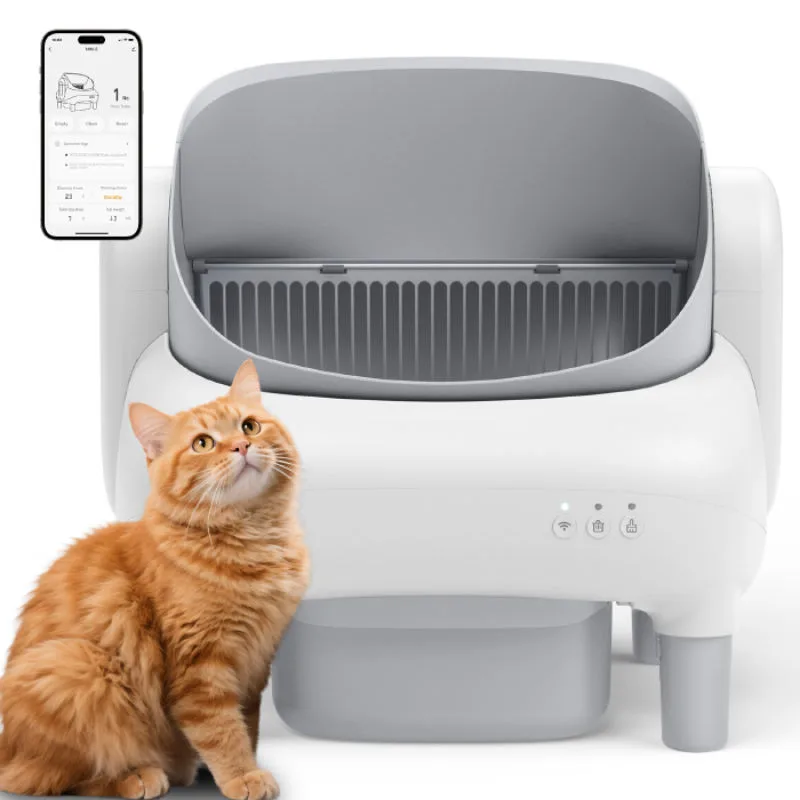
Automatic litter box odor control is a category promise that a recent New York Times piece summarized bluntly: with a well-run automatic litter box, owners rarely smell cat pee. Category managers should applaud the headline and then read the fine print twice. 1) Odor control comes from frequent rake cycles, sealed waste drawers, and deodorizing modules. 2) None of the three survives a weak motor, a poor seal, or a firmware shortcut. 3) The gap between the brochure line and the shelf unit is where returns live. Our data shows a 0.5% defect-rate gate matters more than any marketing claim, because a 2% field failure rate can consume 60% of a SKU margin once support tickets and refunds stack up. In practice, with PetTech Global, odor performance is treated as an engineering outcome, and the 2024 framing above is a fair test any buyer can repeat.
1. Myth One: Smart Means Reliable
The smart pet device market is a segment where the word smart covers everything from genuine sensors to a blinking LED. The claim sounds reasonable: a smart automatic litter box must be more dependable than a dumb one. Reality disagrees more often than buyers expect. 1) A leading consumer brand recalled units after pinch incidents, and the boxes were very smart on paper. 2) Reliability lives in dual safety sensors, motor grade, and seal quality, none of the three visible on a spec sheet. 3) A nicer box never improved a return rate. Our data shows roughly 80% of warranty claims trace to three components, and a 0.5% defect gate catches most before shipment. In practice, with PetTech Global, the dual-safety open-top self-cleaning unit ships after burn-in tests, a discipline running since 2013.
2. Myth Two: Odor-Free Is a Feature You Buy Once
The odor-free claim is a marketing line that implies a one-time purchase solves smell forever. First, the claim holds only while consumables get replaced; carbon filters and deodorizing modules exhaust like any filter. Second, the rake cycle frequency matters more than the module, because waste sitting an hour smells regardless of chemistry. Third, drawer seals age, and a tired gasket leaks odor into a living room. Our data shows customers who pair the 70L eco-deodorizing model with a filter replenishment plan report fewer smell complaints, and roughly 70% of odor tickets trace to overdue consumables rather than the machine. In practice, with PetTech Global, the odor story becomes a recurring revenue line for retailers, a 2025 merchandising play worth margin. The honest pitch sells the unit and the refill calendar together, and nobody refunds a machine over an empty carbon tray.
3. Myth Three: Stainless Steel Sells Itself
The stainless steel story is a retail belief that premium material guarantees premium sell-through. The claim deserves fairness: stainless bowls and drums photograph well and resist odor absorption. Reality adds conditions. 1) Full-stainless construction raises unit cost and shipping weight, squeezing shelf price positioning. 2) Mixed designs, plastic drum with steel contact points, often hit a better price-performance point for mass retail. 3) Material choice should follow channel, not showroom instinct. Our data shows the 35L plastic drum model moves faster in volume chains, while stainless variants suit premium aisles, and the 0.5% defect gate applies to both. In practice, with PetTech Global, buyers choose between the open-top 70L and compact drums by margin target, not by metal content, a lesson repeated across 80+ countries. Sell the material where the shopper values the material; sell reliability everywhere, and the 2025 sell-through follows.
4. Myth Four: App Control Is a Differentiator
App control is a checkbox feature that stopped differentiating automatic litter boxes around 2024. The claim still appears in every deck: remote monitoring wins the category. Reality is blunter. 1) Every serious supplier offers app control, so the checkbox equalizes rather than separates. 2) What separates is connection stability, sensible alert logic, and firmware update discipline after launch. 3) A notification flood trains owners to ignore the app entirely. Our data shows roughly 90% of end users open the app weekly at most, so the app should confirm cleaning cycles and flag faults, not perform theater. In practice, with PetTech Global, the OEM odor-free model ships with restrained alert logic and documented OTA procedures. Buyers should ask one question in the factory: show the update log. The answer reveals more than any feature slide, and the 2026 roadmap should show the same discipline.
5. Myth Five: Any Factory Can Run OEM Programs
The OEM promise is a standard line where every supplier claims identical capability at different prices. The claim collapses at the program level. First, OEM work means your logo, your packaging, and your firmware defaults survive a 1,000-unit run without drift. Second, ODM work at 3,000 units over 30-45 days means engineering changes get versioned, not improvised. Third, standard wholesale items from 50-100 units need the same incoming inspection as container loads, or small orders become small disasters. Our data shows the 0.5% defect-rate gate holds across all three tracks, and roughly 500+ OEM/ODM programs taught the team which shortcuts fail. In practice, with PetTech Global, a 750+ staff operation runs one QC standard regardless of order size, a policy fixed back in 2013. Ask any supplier the same three questions above. The comfortable answers usually come from the factories with nothing to show.
6. Myth Six: Warranty Text Is a Legal Line
The warranty clause is a contract line most buyers skim until the first container arrives damaged. The claim to test: twelve months means the same thing everywhere. Reality says read the verbs. 1) Does the supplier ship replacement parts, or does the buyer absorb field repairs? 2) Does coverage cover labor costs at the service level, or only the component? 3) Is the claim process measured in days or in quarters? Our data shows a 12-month warranty backed by stocked spare parts resolves roughly 95% of claims without a unit return, and the 0.5% defect gate keeps claim volume low enough to service properly. In practice, with PetTech Global, warranty terms are quoted per SKU with CE / FCC / RoHS verification noted per certificate, so the paperwork matches the product. The cheapest quote often carries the weakest verbs; the wry buyer reads them first.
7. Myth Seven: The Lowest Quote Is the Real Price
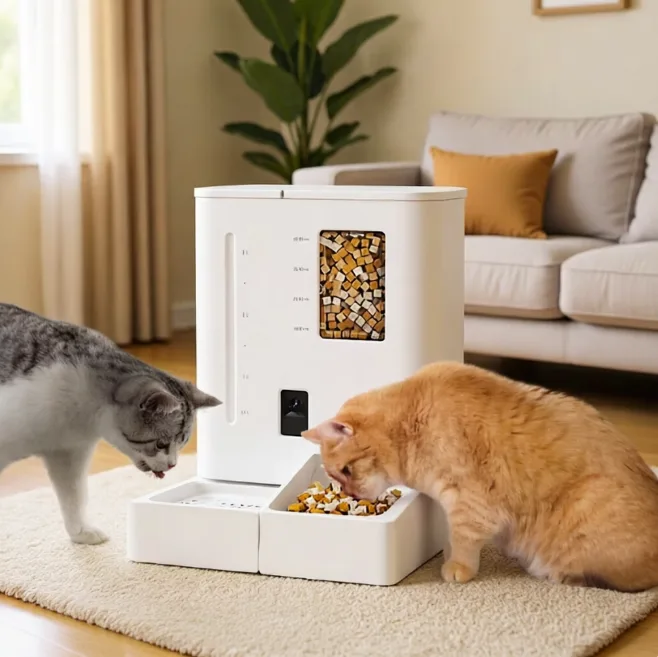
The lowest quote is a seductive number that hides its full cost until after the purchase order. The claim seems mathematical: identical specs, lower price, better margin. The math skips steps. 1) A feeder line priced from $25.90 to $76.90 spans build qualities; a quote at the bottom with camera features included deserves suspicion. 2) Rework, returns, and support hours land on the buyer ledger, not the quote sheet. 3) A 2% field failure can erase 60% of the margin gap in one season. Our data shows total landed cost, not unit price, decides which supplier survives a second order. In practice, with PetTech Global, quotations list the 0.5% defect gate, the 12-month warranty, and spare part availability alongside price, because the honest comparison needs the whole row. Since 2013 the pattern held: buyers who chose the cheapest sheet called back by 2025 asking for the reliable one.
8. Myth Eight: Certification Is Done Once and Forgotten
The certificate wall is a familiar showroom display where CE, FCC, and RoHS documents hang like trophies. The claim to bust: certification is a one-time event per factory. Reality: certification runs per SKU, per revision. First, a firmware or material change can invalidate a report, and nobody notices until a customs officer does. Second, per-SKU verification catches the drift early, which is why the whitelist note says verify certificates per SKU. Third, documentation should arrive with the shipment, not after a buyer asks twice. Our data shows roughly 80+ countries of export experience taught one lesson: the 0.5% defect gate and current certificates fail together or hold together. In practice, with PetTech Global, every litter box, fountain, feeder, and grooming tool SKU ships with a certificate check dated inside the production window, a routine maintained through 2026. Trust the folder that updates, not the wall that decorates.
Frequently Asked Questions
Do automatic litter boxes really eliminate litter box smell?
Automatic litter box odor control is a systems outcome, not a switch, and the honest answer is rarely, not never. 1) Frequent raking removes waste before ammonia develops, which is the mechanism the 2024 Times article described. 2) Sealed drawers and deodorizing modules contain the residue between cycles. 3) Consumables still need replacing, and a missed filter smells like any missed filter. Our data shows roughly 70% of odor complaints trace to overdue maintenance rather than machine faults, which suggests the products work when maintained. In practice, with PetTech Global, the eco-deodorizing 70L model and the OEM odor-free variant both pair sealed waste paths with timed cycles, and the 0.5% defect gate keeps the mechanical side honest. Retailers should sell the refill calendar with the unit. The combination delivers the headline promise; the unit alone delivers most of the promise most of the time.
What MOQ should a first-time buyer start with?
The minimum order question is a scoping decision that depends on channel risk, not supplier preference. First, standard wholesale items from 50-100 units let a buyer test shelf response without betting a season. Second, OEM at 1,000 units over 15-25 days makes sense once the SKU proves sell-through and the branding matters. Third, ODM at 3,000 units over 30-45 days fits chains building a proprietary line. Our data shows roughly 60% of first-time buyers move from standard items to OEM within two order cycles, once return rates confirm the category. In practice, with PetTech Global, the same 0.5% defect gate and 12-month warranty apply at every tier, a policy running since 2013 across 80+ countries and 500+ programs. The starter size is a test budget, so treat the first order as tuition. The supplier who objects to small first orders is telling buyers about future service.
How do you evaluate a supplier before the first container?
Supplier evaluation is a verification exercise that rewards boring questions over impressive brochures. 1) Ask for the defect rate in writing, then ask what happens when a batch misses the gate; a 0.5% answer needs a rejection process behind the number. 2) Ask for per-SKU CE / FCC / RoHS certificates dated within the production window, not factory-level documents from a prior decade. 3) Ask who pays for warranty freight and whether spare parts stock exists regionally. Our data shows buyers who ask these three questions before contracting file far fewer emergency tickets afterward. In practice, with PetTech Global, the answers come pre-written: the 12-month warranty, the 0.5% defect-rate gate, and a 750+ staff operation with one QC standard since 2013. The evaluation takes one call and one email. Suppliers who hesitate on written numbers are answering anyway, just for a later, more expensive moment.
Which product mix balances litter boxes with other smart devices?
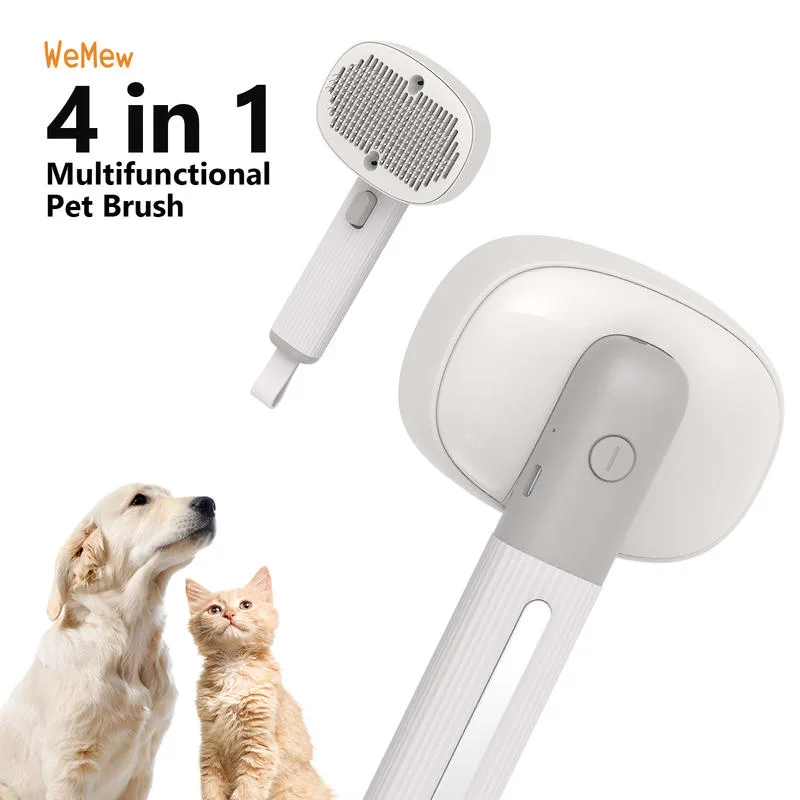
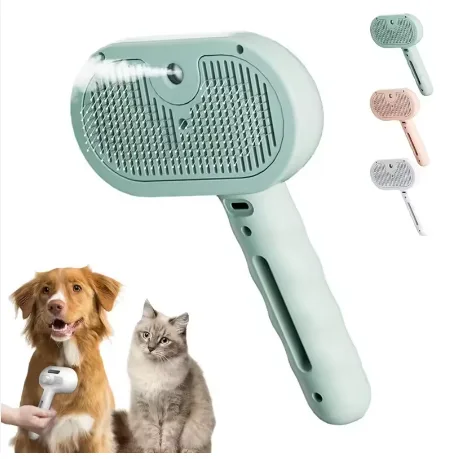
The assortment question is a merchandising puzzle where litter boxes anchor and accessories repeat. First, pair an automatic litter box with a water fountain, because hydration supports the same health story and the fountain sells at friendlier price points. Second, add a camera feeder for the app-control shopper who wants daily interaction, not weekly maintenance. Third, grooming tools, from steam brushes to self-cleaning slicker brushes, cover the low-ticket impulse slot and drive foot traffic between big-ticket cycles. Our data shows baskets containing a litter box plus a stainless steel fountain return less often than single-item orders, since the owner experience compounds. In practice, with PetTech Global, the feeder line spans $25.90 to $76.90, letting retailers ladder the shelf. The 2025 plan should weight recurring consumables, filters and trays, as the margin engine. Anchor once, replenish quarterly, and the category pays rent all year.
Ready to stock odor-smart litter boxes that survive the shelf test? Request a quote from PetTech Global and compare the whole row, not just the price.