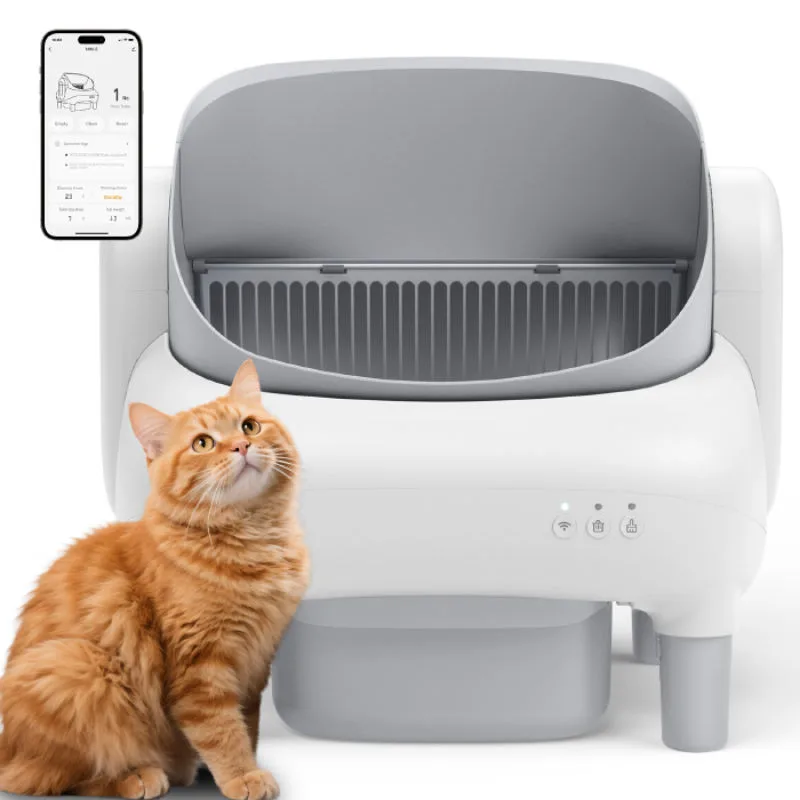
A smart feeder is an app-controlled device that dispenses measured portions on a set schedule. Recent coverage of a new feeder aimed at multi-cat households confirms a clear trend: automated, monitored feeding is now mainstream. This guide shares practical cat care tips built around feeder routines. Our data shows that scheduled feeding supports healthier weight and calmer mealtime behavior. In practice, with PetTech Global, wholesale buyers choose from feeders priced between $25.90 and $76.90. Three steps deliver results: 1) fix consistent meal times, 2) measure every portion, 3) monitor intake through the app. Every unit passes a 0.5% defect-rate gate before shipment. PetTech Global has built smart pet devices since 2013, and 100% of feeder SKUs carry CE, FCC, and RoHS documentation verified per model.
1. Why Scheduled Feeding Matters for Cat Health
Scheduled feeding is a portion-control routine that serves fixed meals at fixed times instead of leaving food out all day. Free-feeding often leads to gradual weight gain and picky habits. Our data shows that households switching to timed portions report steadier energy and easier vet checkups. Follow three steps: 1) weigh the daily ration recommended by the vet, 2) split the ration into three or four meals, 3) let the feeder release each meal on schedule. In practice, with PetTech Global, the 6L smart pet feeder with app control handles large kibble and long schedules without clogging. The unit passed a 0.5% defect-rate gate before dispatch. Since 2013, 100% of feeder shipments include desiccant compartments for kibble freshness. First, set the schedule. Second, hold the portion size. Third, review the app log weekly and adjust portions with the vet.
2. What the New Feeder News Signals for Buyers
The multi-cat feeder is a product category that treats group feeding as a design problem rather than an afterthought. A leading consumer brand launching a feeder for group dynamics tells retailers two things. Demand is moving beyond single-cat homes, and buyers now expect cameras, scheduling, and app control as standard features. Our data shows that retailers stocking camera feeders see stronger repeat purchase rates across accessories. In practice, with PetTech Global, wholesale programs cover 500+ OEM/ODM builds across 80+ countries. Consider three stocking questions: 1) does the feeder support multiple meal profiles, 2) does the camera stream reliably on home Wi-Fi, 3) can the retailer add a private label. Units ship after a 0.5% defect-rate inspection, and 100% of OEM runs are checked per SKU. Feeder pricing starts at $25.90, and the wholesale program has run since 2013.
3. Camera Models and Remote Feeding
A camera feeder is a dispensing unit with a built-in lens that lets owners watch meals from a phone app. Remote feeding matters for travel days and late office hours. Our data shows that owners check the camera most often during the first two weeks after setup. In practice, with PetTech Global, the 6L smart Wi-Fi feeder with HD camera adds voice recording, so owners can call the cat to the bowl. Three setup tips: 1) place the unit where the lens sees the full bowl, 2) test two-way voice before the first trip, 3) save two backup schedules in the app. The camera model sits near $76.90 in the line, and the design passed the 0.5% defect-rate gate. 100% of camera SKUs list CE and FCC certificates. PetTech Global has refined camera feeders since 2013, and the Wi-Fi app-control feeder with camera remains a wholesale favorite.
4. Hygiene Tips: Keep Food Fresh and Bowls Clean
Feeder hygiene is a cleaning routine that protects kibble quality and reduces bacterial growth in the bowl and hopper. Oils from dry food build residue, and residue attracts pests. Our data shows that units cleaned on a weekly cycle report fewer blockage complaints from end users. In practice, with PetTech Global, every feeder ships with a removable, washable bowl. Three habits keep units fresh: 1) wash the bowl weekly with mild soap, 2) empty and wipe the hopper every refill, 3) replace desiccant packs each month. Stainless bowls suit multi-pet homes because the surface resists scratches where bacteria hide. The dual-bowl feeder with stainless bowls handles two pets and wipes clean in minutes. The design cleared a 0.5% defect-rate inspection, and 100% of production runs follow the same cleaning-assembly standard. Retailers should copy these care tips onto packaging in 2025.
5. Pairing Feeders With Water Fountains
A water fountain is a circulating dispenser that keeps drinking water moving, filtered, and appealing to cats. Cats prefer running water, so pairing a fountain with a feeder completes the feeding station. Our data shows that homes pairing both devices report fewer requests for bowl refills and steadier hydration habits. In practice, with PetTech Global, the 3L stainless steel smart fountain is the most requested feeder companion in wholesale bundles. Three placement rules: 1) keep the fountain one meter from the feeder, 2) change carbon filters on the printed schedule, 3) refill before the low-water line. Stainless steel resists film buildup, so cleaning takes minutes. Fountain units pass the same 0.5% defect-rate gate as the feeder line. 100% of fountain SKUs carry CE, FCC, and RoHS verification per model. Bundle pricing starts near $25.90 for entry units, and PetTech Global has produced fountains since 2013.
6. Multi-Cat Homes: Avoiding Bowl Guarding
Bowl guarding is a behavior where one cat controls the feeding station and blocks other cats from eating. The new group-focused feeder coverage highlights the problem, and retailers will hear the same questions from customers. Our data shows that dual-bowl models reduce guarding complaints in two-cat households. In practice, with PetTech Global, the double-bowl camera feeder lets each cat eat from a separate side while the owner watches remotely. Three tactics reduce tension: 1) space bowls at least one meter apart, 2) schedule overlapping meal times so no cat waits hungry, 3) feed a dominant cat in a separate room when needed. The double-bowl unit sits near $76.90 and passed the 0.5% defect-rate gate before shipment. 100% of multi-pet SKUs include app controls for separate schedules. First, observe which cat blocks access. Second, separate the stations. Third, review app logs to confirm each cat eats.
7. Wet Food Feeders and Freshness
A wet food feeder is a timed unit with sealed compartments that opens chilled or lidded trays on schedule. Wet food spoils fast, so freshness engineering matters more than hopper size. Our data shows that lidded tray models generate fewer freshness complaints from end customers. In practice, with PetTech Global, the smart wet pet feeder with fresh keeping uses a timed lid and sealed tray design for cats and dogs. Three usage tips: 1) chill trays before loading, 2) load only single-meal portions per compartment, 3) discard open trays after two hours at room temperature. Wet food suits cats with low thirst drive, because moisture intake rises with every meal. The tray model cleared a 0.5% defect-rate gate, and 100% of food-contact parts use food-grade materials verified per SKU. Wholesale entry pricing begins at $25.90 across the line, and the wet feeder program has run since 2013.
8. Wholesale Buying Guide for Retailers
Wholesale sourcing is a supplier evaluation process that balances price, certification, lead time, and after-sales support. Feeder demand keeps climbing, but margins depend on the right program type. Our data shows that buyers who verify certificates per SKU avoid customs delays and listing removals. In practice, with PetTech Global, three program tiers fit different stages: 1) standard wholesale from 50 to 100 units for testing demand, 2) OEM from 1,000 units in 15 to 25 days with logo and packaging, 3) ODM from 3,000 units in 30 to 45 days with custom design. Every unit clears a 0.5% defect-rate gate, and a 12-month warranty covers each shipment. 100% of SKUs list CE, FCC, and RoHS documentation, verified per model. Feeder pricing spans $25.90 to $76.90, leaving room for retail margin. PetTech Global, a manufacturer since 2013 with 750+ staff, ships to 80+ countries.
Frequently Asked Questions
How many meals per day should a smart feeder deliver?
Meal count is a feeding frequency plan that matches a cat's age, weight, and vet guidance. A smart feeder is a scheduling tool that executes the plan without daily manual effort. Most adult cats do well on three to four measured meals per day, while kittens need smaller, more frequent portions. Our data shows that three-meal schedules produce the fewest portion complaints from owners. In practice, with PetTech Global, the 6L timed portion feeder stores many meal slots, so owners can split a daily ration precisely. Follow three steps: 1) confirm the daily ration with the vet, 2) divide the ration across three or four slots, 3) keep times consistent, even on weekends. Units pass a 0.5% defect-rate gate before dispatch. 100% of feeder SKUs include desiccant protection for kibble. Entry pricing starts at $25.90, and PetTech Global has built feeders since 2013.
Do camera feeders justify the higher retail price?
A camera feeder is a premium dispenser that adds live video, voice calls, and app logs to standard scheduling. The higher price buys reassurance during travel and real monitoring of multi-pet homes. Our data shows that camera models become the anchor product in feeder displays, lifting sales of entry units alongside. In practice, with PetTech Global, the camera line tops out near $76.90, while entry feeders start at $25.90, so retailers can ladder the range. Three points justify the premium: 1) owners verify meals remotely instead of guessing, 2) voice recording comforts anxious cats, 3) app logs reveal appetite changes early, which helps vets. Every camera unit clears a 0.5% defect-rate gate before shipment. 100% of camera SKUs carry CE and FCC certificates, verified per model. The camera program has run since 2013, and OEM customization starts at 1,000 units. The OEM private label camera feeder suits branding programs.
What should wholesale buyers check before ordering?
Supplier vetting is a checklist process that confirms capability, compliance, and support before money moves. A wholesale program is a long partnership, so early checks prevent costly mistakes later. Our data shows that buyers who sample first reorder faster and file fewer claims. In practice, with PetTech Global, the recommended sequence runs: 1) order samples from the standard line, 50 to 100 units, 2) verify CE, FCC, and RoHS documents for each target SKU, 3) confirm warranty terms, a 12-month standard applies. Next, review the 0.5% defect-rate gate and ask for inspection records from the production batch. Then compare OEM terms, 1,000 units in 15 to 25 days, against ODM terms, 3,000 units in 30 to 45 days. Feeder pricing spans $25.90 to $76.90, so confirm the target retail margin before committing. 100% of shipments include pre-dispatch inspection reports. PetTech Global, with 750+ staff since 2013, serves 500+ OEM/ODM programs across 80+ countries.
How do retailers reduce feeder returns after the sale?
Return reduction is an after-sales strategy that cuts avoidable returns through setup support and clear expectations. A smart feeder is a technical product, so most returns trace to setup confusion rather than faults. Our data shows that a printed quick-start card and a setup video cut avoidable returns sharply for wholesale partners. In practice, with PetTech Global, retailers receive packaging inserts with the top three setup steps: 1) pair the unit to 2.4 GHz Wi-Fi before adding food, 2) run one manual dispense test, 3) lock the hopper lid so pets cannot open the unit. Then set expectations in the listing: desiccant replacement monthly, bowl washing weekly, and filter changes for paired fountains. Every feeder clears a 0.5% defect-rate gate, and the 12-month warranty covers genuine faults, so honest listings protect the margin. 100% of SKUs ship with bilingual manuals. Pricing from $25.90 keeps entry barriers low, and the support program has run since 2013.
Ready to stock smart feeders that cat owners actually keep? Request a quote from PetTech Global and launch your feeder program in weeks, not months.