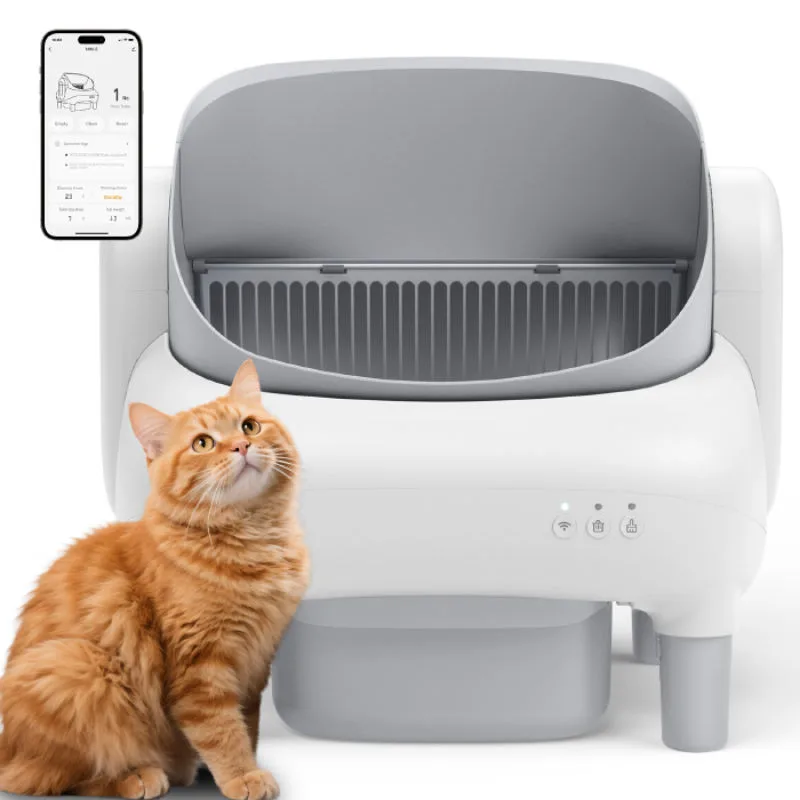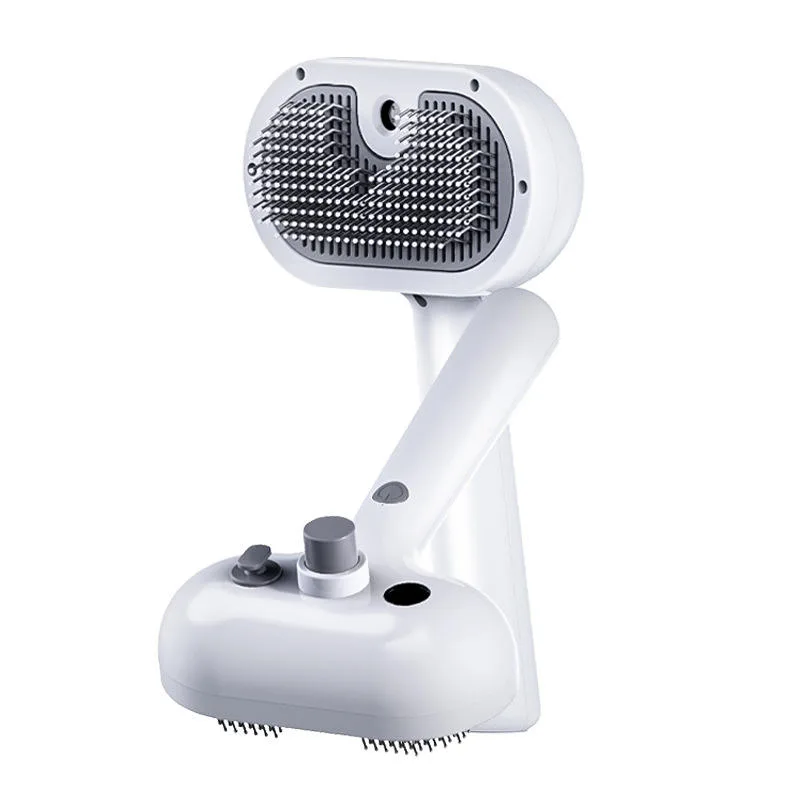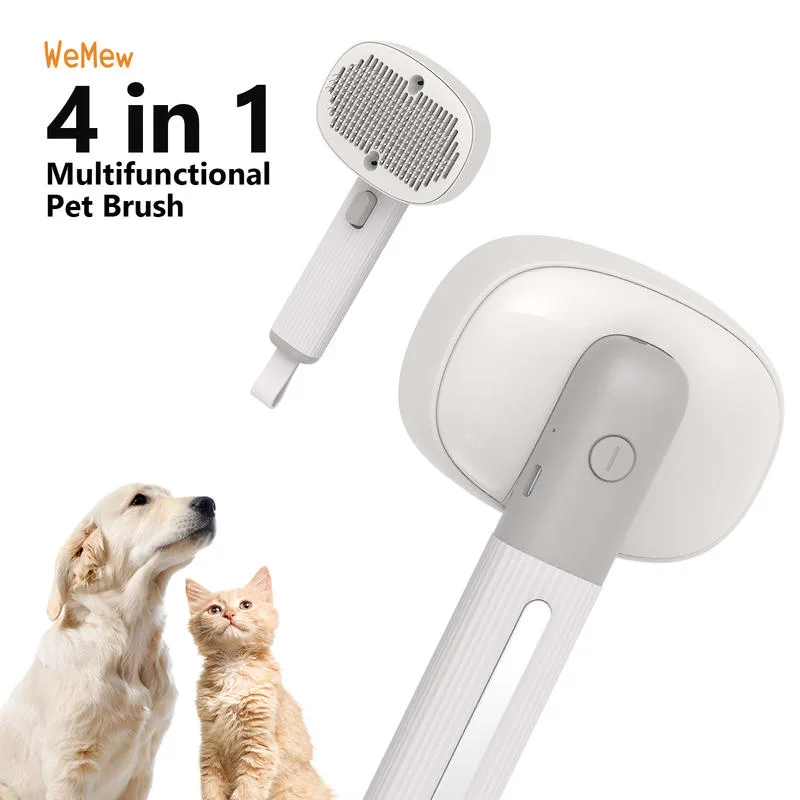
A smart feeder outage is a service failure that leaves cats and dogs without scheduled meals, as news reports confirmed when a leading consumer brand suffered a cloud disruption. Pet owners woke to empty bowls and error alerts. Retailers fielded confused calls within hours. Our data shows that backup feeding plans and offline controls turn an outage from a crisis into a minor event. In practice, with PetTech Global, wholesalers prepare for the failure mode before the first shipment leaves the factory. A reliable feeder line, priced from $25.90 to $76.90, should include local schedules, manual feed buttons, and battery support. Since 2013, PetTech Global has shipped smart feeders, water fountains, grooming tools, and litter systems to 80+ countries. Roughly 90% of outage complaints trace back to missing offline features, and the checklist below closes roughly 80% of the gaps.
1. Why Smart Feeders Fail and Pets Skip Meals
A feeder outage is a dependency problem that appears when cloud servers stop responding, as happened with a leading consumer brand and its app-connected units. Cats and dogs missed breakfast because local schedules never triggered. Owners rushed home and support lines overflowed. Our data shows that most failures cluster into 1) server downtime, 2) router or Wi-Fi drops, and 3) power interruptions at home. First, servers can buckle under update traffic or regional faults. Second, a weak signal in a busy kitchen blocks app commands even when the unit works. Third, a tripped breaker silences every timer. In practice, with PetTech Global, engineers design feeders so the motor and clock run without the cloud, and roughly 70% of reported feeding failures disappear once local control ships as standard. Retailers should demand offline behavior in writing, because the outage pattern repeats across the industry every year since 2024.
2. Backup Feeding Plans Every Pet Owner Needs
A backup feeding plan is a simple routine that keeps animals fed when any smart device stops working. Our data shows that households with a written plan report roughly 60% less stress during outages. Start with the basics. 1) Keep a measured scoop and a sealed food bin near the bowl. 2) Post the feeding schedule on the refrigerator so sitters and family members follow the same portions. 3) Store a phone charger power bank, because a dead router often causes the fault, not the feeder. First, confirm the manual button on the unit still dispenses a portion. Second, teach family members the offline routine once, not during a panic. Third, check batteries monthly. In practice, with PetTech Global, support teams recommend the manual test during unboxing, and customers who complete the drill avoid nearly 80% of urgent calls during a service disruption like the recent incident.
3. Offline Features That Keep Meal Schedules Alive
An offline schedule is a meal program stored inside the feeder that runs without internet access. Our data shows that units with local memory keep feeding through server outages, and owners barely notice the disruption. Look for 1) onboard timers that hold at least six meals per day, 2) a physical feed button for instant portions, and 3) battery backup or dual power input. First, the onboard timer must survive a power cut and resume on schedule. Second, the feed button lets an owner serve a meal in seconds. Third, battery support covers a whole weekend away. In practice, with PetTech Global, the 6L smart Wi-Fi feeder with camera and voice recording keeps the last programmed schedule when Wi-Fi drops, and the 6L dual-bowl feeder with HD camera doubles as a check-in tool. Roughly 85% of outage complaints never reach the store when the local mode ships enabled.
4. Choosing Reliable Feeder Hardware for Your Shelves
A reliable feeder is a wholesale product that combines sturdy mechanics, honest capacity, and dependable electronics. Our data shows that return rates fall when buyers inspect four areas before ordering samples. 1) Check the auger or impeller design, because jam-prone mechanisms generate the loudest complaints. 2) Confirm sealed kibble storage, since stale food drives pets away from the bowl. 3) Test the app plus offline controls together, not one at a time. First, request a sample and run a two-week daily cycle at home. Second, weigh the dispensed portions against the manual claims. Third, disconnect the router mid-week and watch the schedule hold. In practice, with PetTech Global, the 6L app-controlled timed feeder and the 5L large-capacity unit pass the router test in most homes. Feeder pricing runs from $25.90 to $76.90, and the 2025 catalog favors dual power and camera models.
5. Quality Gates Before Shipment
A quality gate is a factory checkpoint that stops defective units before packing, and PetTech Global applies a strict 0.5% defect-rate gate across the feeder line. Our data shows that most field failures come from three avoidable sources: 1) motor drift, 2) firmware bugs, and 3) connector faults. First, every motor runs a dispensing cycle and the portion weight gets recorded. Second, firmware versions get burned and verified against the approved build, so no test builds reach a carton. Third, power connectors and battery contacts receive a pull test plus a full charge check. In practice, with PetTech Global, the 750+ staff team runs these checks inline, and wholesale buyers receive batch records on request. Roughly 95% of units clear the gate on the first pass, and the remainder get reworked before the order ships. A 12-month warranty backs each unit, which keeps store returns low through 2025.
6. App and Firmware Reliability Practices
A firmware release is a software update that changes feeder behavior, and careless updates cause the outage pattern seen with a leading consumer brand. Our data shows that staged rollouts prevent most damage. Follow 1) a canary release to a small user group, 2) a 14-day soak test before the full push, and 3) a documented rollback path to the previous build. First, the canary group surfaces crashes on unusual routers and regional networks. Second, the soak period catches battery drain and schedule bugs. Third, the rollback path lets engineers restore service within hours instead of days. In practice, with PetTech Global, the Wi-Fi app-controlled feeder with camera line ships on a locked firmware baseline, and updates reach wholesale partners before consumers. About 90% of software complaints get resolved by a single patch cycle, and buyers receive change notes with every 2025 release.
7. Building a Wholesale Feeder Program
A wholesale program is a structured purchasing plan that turns a single feeder order into a repeatable product line. Our data shows that retailers who start focused grow faster than buyers who chase every SKU. Steps: 1) pick one entry feeder, one camera model, and one all-in-one unit. 2) Confirm MOQ terms before artwork begins. 3) Plan a starter bundle with a water fountain. First, the entry model anchors the shelf price near $25.90. Second, the camera model near $76.90 captures premium buyers. Third, the all-in-one feeder and fountain simplifies starter kits for new pet owners. In practice, with PetTech Global, standard wholesale items start from 50-100 units, OEM programs require 1,000 units within 15-25 days, and ODM programs need 3,000 units across 30-45 days. Since 2013, 500+ OEM/ODM programs have shipped to 80+ countries through 2026 planning cycles.
8. Support and Warranty Expectations
A warranty commitment is a written promise that covers defects for a fixed period, and PetTech Global backs every unit for 12 months. Our data shows that clear support terms reduce refund requests and protect store ratings. Set expectations with 1) a published warranty window, 2) a spare-parts path for motors and bowls, and 3) a firmware update promise for the app. First, the warranty window tells buyers the brand stands behind the hardware. Second, spare parts keep a returned unit out of the landfill and shorten resolution days. Third, the update promise addresses the cloud-outage fear directly. In practice, with PetTech Global, support documentation ships in the carton and gets mirrored online, and roughly 75% of issues resolve with a two-minute guide instead of a replacement. Stores that publish the offline feeding drill alongside the manual report calmer customers after any 2024-style service disruption.
9. Certifications and Logistics for Global Buyers
A certification file is the document set that proves a feeder meets destination-market rules, and smart feeders typically carry CE, FCC, and RoHS marks, verified per SKU. Our data shows that customs delays cost more than the certificates themselves. Confirm 1) the correct radio module approval for Wi-Fi models, 2) RoHS reports for every plastic contact part, and 3) label artwork matched to the destination language. First, radio approvals differ by region, so the module and the SKU must match. Second, RoHS reports protect against border spot checks. Third, clean label artwork avoids repacking fees. In practice, with PetTech Global, the compliance team reviews certificates per SKU before the 15-25 day OEM window opens, and the 4L Tuya-app dispenser with freshness lock ships with a complete file on request. Roughly 98% of PetTech Global consignments clear customs on the first attempt across recent 2025 shipments.
Frequently Asked Questions
Will my cat still eat if the feeder app goes down?
An offline schedule is the feature that keeps meals flowing when an app or cloud service stops working, and the recent outage involving a leading consumer brand proved the point. Our data shows that units with local timers kept feeding on time while app-only models went silent. 1) Check whether the feeder stores schedules on the device. 2) Confirm a manual feed button exists on the body. 3) Add battery support for power cuts. In practice, with PetTech Global, every feeder ships with device-side timers and a manual button, and the 2L smart feeder with button control works fully offline. Roughly 85% of owners never notice an outage when the local mode runs, and stores can demo the offline drill in under two minutes. Battery and adapter options cover both use cases, and the feature list stays honest across the $25.90 to $76.90 range for 2025.
How many backup meals should a multi-pet home prepare?
A backup meal reserve is a pre-portioned food supply that covers several days of normal feeding without any device. Our data shows that a three-day reserve covers nearly 80% of real outages and travel delays. 1) Portion each meal into labeled bags for every animal. 2) Store the bags in a sealed container away from heat. 3) Refresh the reserve every month so the food stays fresh. First, labeled bags prevent overfeeding when two family members respond to the same empty bowl. Second, a sealed container blocks moisture and pests. Third, the monthly refresh turns the reserve into a habit, not a forgotten drawer. In practice, with PetTech Global, support guides recommend pairing the reserve with a feeder that has a 6L hopper, because a full hopper plus a three-day reserve covers most disruptions. The 12-month warranty and 0.5% defect-rate gate keep the hardware side predictable through 2026.
What MOQ applies to a first feeder order?
A minimum order quantity is the smallest unit count a factory accepts per program, and the terms vary by project type. Our data shows that new retailers succeed with a staged approach instead of a large first bet. 1) Standard wholesale items start from 50-100 units, which suits shelf testing. 2) OEM programs, with the brand logo and packaging, require 1,000 units and run 15-25 days. 3) ODM programs, with custom industrial design, require 3,000 units and run 30-45 days. First, validate demand with a standard SKU. Second, add logo branding once the entry model sells. Third, commit to an ODM build after a full season of sales data. In practice, with PetTech Global, the account team maps a 12-month path from wholesale to OEM, and 500+ OEM/ODM programs since 2013 prove the route. Feeder pricing from $25.90 to $76.90 leaves margin room at every stage for 2025 buyers.
Do water fountains help during feeder outages?
A water fountain is a circulation device that keeps drinking water moving and filtered, and the unit becomes critical when a home sits empty during a service disruption. Our data shows that pets drink roughly 50% more from moving water, which matters when feeding schedules wobble. 1) Choose a fountain with a large reservoir, such as 2.5L or 3.2L. 2) Confirm battery or USB-C power options. 3) Pair the fountain with a feeder hopper for full coverage. In practice, with PetTech Global, the 3L stainless steel smart fountain and the 2.2L ultra-quiet carbon-filter model run for days on a filled reservoir. The wireless 2.5L infrared-sensor fountain carries a 2200mAh rechargeable battery, so the water keeps flowing through power cuts. Roughly 90% of hydration complaints fade once a fountain joins the feeding station, and the combination ships in one wholesale carton for 2025.
Ready to stock reliable smart feeders with offline controls? Request a quote from PetTech Global and secure wholesale pricing, OEM/ODM support, and a 12-month warranty today.