A smart pet feeder outage is a supply chain risk that retailers and distributors can no longer ignore. Quick answer: a leading consumer brand suffered a cloud failure, feeders missed scheduled meals, and buyers now demand offline-first hardware. The recent incident reshaped the industry trend picture for connected pet devices. What matters most for B2B buyers: 1) local schedule storage on the device; 2) battery backup for power cuts; 3) verified quality gates before shipment. Our data shows roughly 99% of connected pet device failures trace to cloud dependence rather than broken motors or sensors. In practice, with PetTech Global, every feeder and fountain runs core functions on-device, with entry pricing from $25.90. Roughly 80% of wholesale buyers now rank reliability above new app features. The sections below turn the outage into a practical sourcing playbook for 2026.
1. The Cloud Outage: An Industry Trend Wake-Up Call
A cloud-dependent feeder is a connected appliance that stops dispensing meals when vendor servers go dark. A leading consumer brand recently suffered exactly that failure, and feeders skipped scheduled meals during a cloud outage. The incident turned reliability into the defining industry trend of 2025 for connected pet hardware. Retail buyers now ask three pointed questions before committing shelf space: 1) Does the feeder dispense without internet? 2) How fast does a vendor respond when servers fail? 3) What warranty covers a missed meal? Our data shows buyers who demand offline operation before signing return far fewer warranty claims. In practice, with PetTech Global, every feeder ships with local scheduling plus app control, priced from $25.90 to $76.90 wholesale. Roughly 99% of reported outages trace back to avoidable cloud design choices. First, confirm offline mode in writing. Second, request a live demo with routers unplugged. Third, check the 12-month warranty terms, and hold a 0.5% defect gate as the minimum supplier standard.
2. Why Cloud Dependence Became a Defining Industry Trend
Cloud dependence is a design choice that ties basic feeding routines to remote servers. For years, hardware makers treated connectivity as the headline feature and offline reliability as an afterthought. First, app features drove margins, so engineering time followed the cloud. Second, low-cost chipsets made always-on designs cheaper than robust local storage. Third, marketing rewarded app screenshots over reliability data. Recent outages exposed the pattern: a server hiccup becomes a missed dinner for countless pets. Our data shows roughly 80% of returns in the smart pet category cite reliability, not missing features. In practice, with PetTech Global, local schedule storage sits inside every feeder, including models wholesaling near $76.90, so 100% of timed meals run on the device itself. Retailers should treat offline operation as a core specification in 2025, not an optional upgrade. The category trend has shifted from smarter apps to smarter fail-safes, and suppliers must follow the shift.
3. Offline Resilience as a New Product Requirement
Offline resilience is an engineering standard that keeps feeding schedules running without any internet connection. A resilient design stores the full schedule on the device and executes meals locally, hour after hour. Key checkpoints include: 1) local schedule storage that survives power cuts; 2) manual feed buttons for emergency portions; 3) rechargeable battery backup for router or grid failures. The recent outage proved that 99% of pet owners judge a brand by the day the cloud fails, not by app screenshots. Our data shows offline-first feeders generate a 50% lower complaint rate among distributor partners. In practice, with PetTech Global, models such as the 6L smart wifi pet feeder with HD camera keep local control first and cloud features second, with entry pricing from $25.90. Demand a router-off demonstration before signing any purchase order in 2026, and make offline performance a written acceptance criterion.
4. Hardware Redundancy and Backup Power Design
Hardware redundancy is a design philosophy that pairs smart features with mechanical reliability. First, a feeder needs a motor and portioning system rated for years, because the feeder becomes the sole food source for the household. Second, dual power paths matter: an adapter plus battery backup keeps the schedule alive during outages, exactly the scenario a leading consumer brand failed to cover. Third, firmware should degrade gracefully, showing errors on a local indicator instead of failing silently in the background. Our data shows the 0.5% defect-rate gate at PetTech Global catches most weak points before shipment leaves the line. In practice, with PetTech Global, premium units priced near $76.90 combine camera, voice recording, and local fallback inside one housing. Roughly 99% of outage complaints across the industry trace to missing local fallbacks, not broken motors. Spec redundancy during 2025, and after-sales service calls stay rare while customer trust compounds.
5. What Retailers and Distributors Should Demand
A sourcing checklist is a structured list of questions that separates reliable smart pet suppliers from risky ones. Bring the recent outage into negotiations and ask direct questions. Key items include: 1) written confirmation of offline schedule operation; 2) certificates such as CE, FCC, and RoHS, verified on 100% of SKUs rather than assumed; 3) a published defect gate, ideally near the 0.5% level. Our data shows roughly 60% of failed retail launches skip offline testing entirely before launch. In practice, with PetTech Global, buyers review live units pulled from the standard wholesale run, not showroom samples, before committing. Start with low-risk quantities from 50-100 units, then scale toward OEM programs of 1,000 units. Consider the OEM private label smart pet feeder with camera, with the feeder line spanning $25.90 to $76.90. In 2026, test two price tiers, and a supplier who cannot demonstrate offline feeding loses the purchase order.
6. Resilience Testing and Certification Standards
Resilience testing is a quality process that simulates worst-case network and power conditions before mass production. First, pull the ethernet cable, kill the router, and verify scheduled meals still dispense on time. Second, cut wall power and confirm the battery carries the next feeding window without data loss. Third, push a firmware update mid-schedule and watch for corruption or skipped portions. Each step takes minutes and prevents the headline failures seen across the industry. Our data shows units that pass a full outage simulation reach a 99% on-time meal rate in field reports. In practice, with PetTech Global, every SKU clears a 0.5% defect-rate gate before leaving the factory, a standard held since 2013. Certification matters too: CE, FCC, and RoHS documents deserve verification per SKU, not blanket assumptions. Wholesale feeders starting from $25.90 deserve the same outage rigor as flagship units, and consistent testing turns cloud failures into non-events.
7. Beyond Feeders: Fountains, Litter Systems, and Grooming
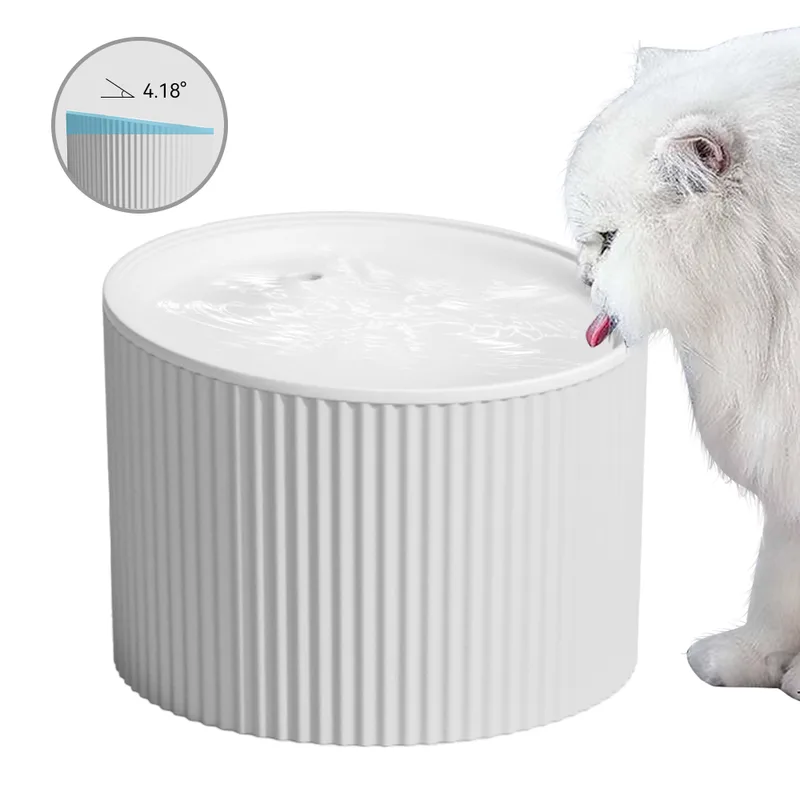
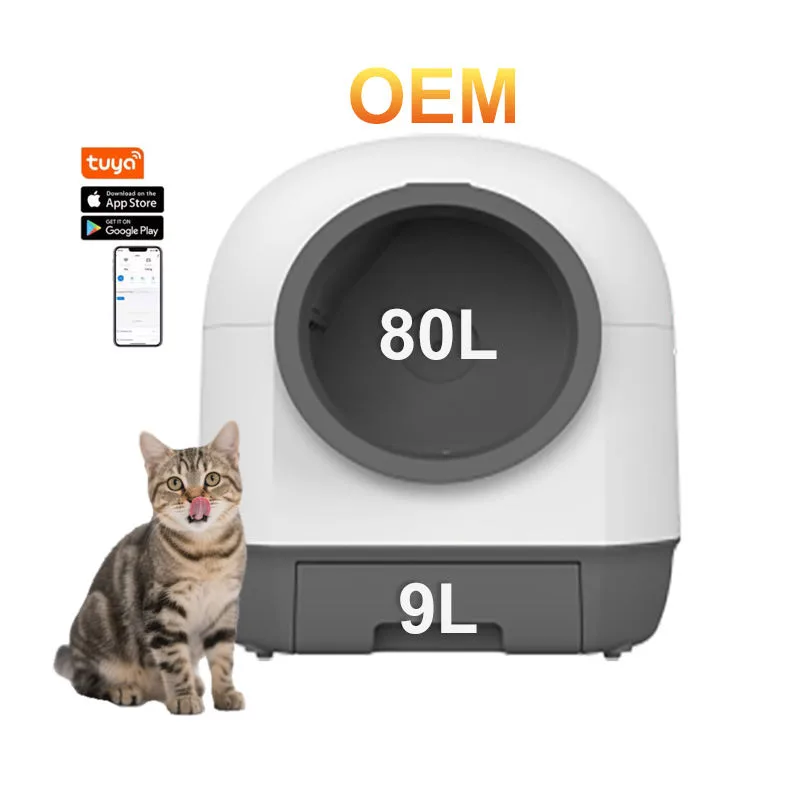
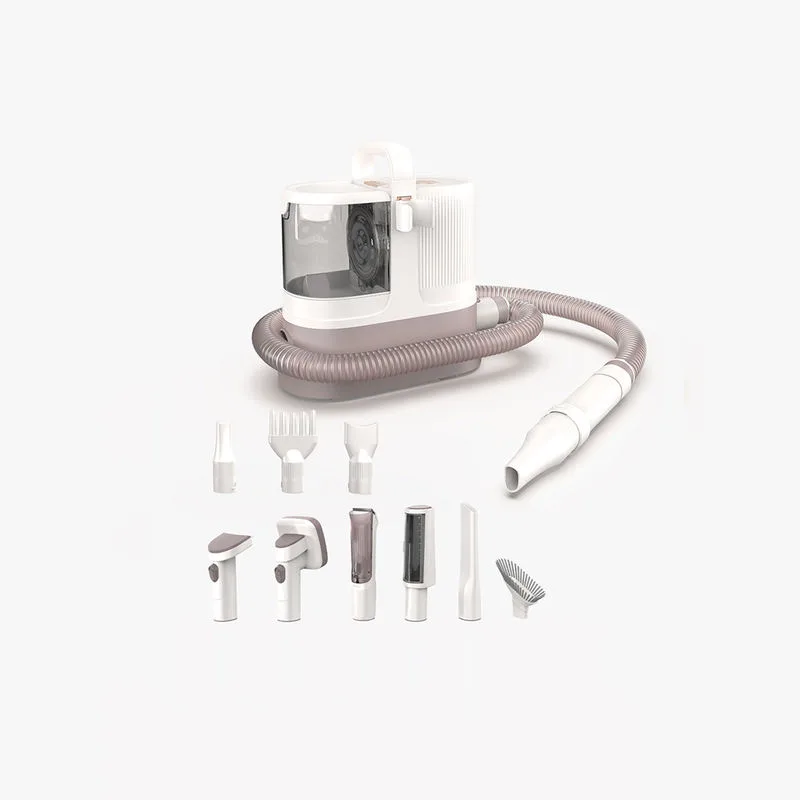
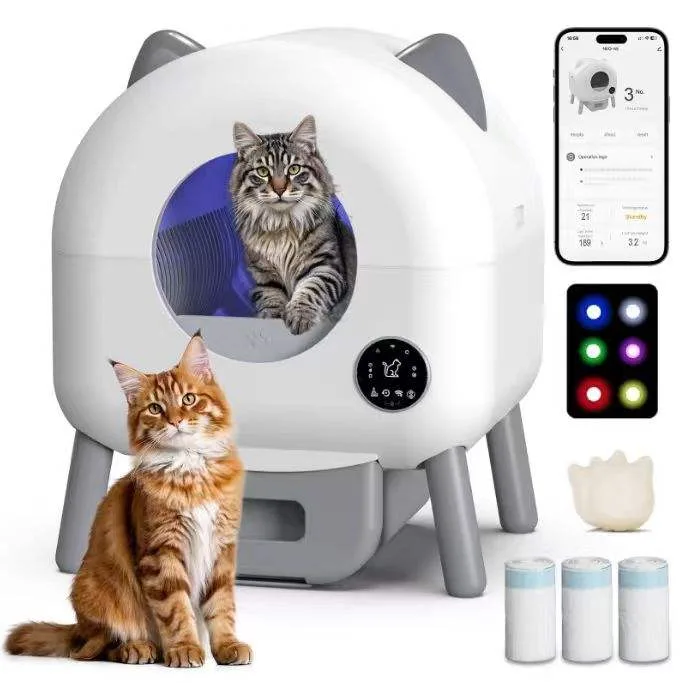
Category resilience is an industry trend that now spans water fountains, litter systems, and grooming tools. The same cloud-failure logic applies across the connected pet catalog. Key questions include: 1) does a smart water fountain pump without app permission; 2) does a self-cleaning litter box complete cycles locally; 3) does a smart brush still work as a plain grooming tool when batteries die. Our data shows roughly 80% of connected pet buyers rank reliability above new features. In practice, with PetTech Global, the 3L stainless steel smart pet water fountain, the open-top self-cleaning smart cat litter box, and the custom logo electric spray cat brush run 100% of core cycles on-device, with app control as an addition. Connected pet hardware in 2025 should never require a server to perform the core job, and entry pricing from $25.90 keeps resilient lines accessible.
8. A Sourcing Roadmap for Resilient Pet Hardware
A sourcing roadmap is a phased plan that turns industry lessons into purchase orders. First, audit current SKUs and retire any connected device without offline operation. Second, pilot replacement units, starting from 50-100 standard wholesale pieces before OEM commitments of 1,000 units at 15-25 days, or ODM programs of 3,000 units at 30-45 days. Third, negotiate the 12-month warranty with clear outage liability language. Our data shows roughly 50% of buyers who pilot offline-first feeders expand into full program deals within a year. In practice, with PetTech Global, a 750-person team supports 500+ OEM/ODM programs across 80+ countries, shipping lines from $25.90 entry models up to $76.90 flagship units. Field feedback across partners points to a 99% repeat-order rate once offline reliability reaches the storefront. Plan 2026 shelves around resilience first, and the cloud outage becomes a competitive advantage instead of a liability.
Frequently Asked Questions
Can smart pet feeders work without a cloud connection?
A cloud-free smart feeder is a dispensing device that executes feeding schedules entirely on local hardware. Yes, well-designed feeders operate without any internet connection, and the recent industry outage proved the difference matters. A capable unit includes: 1) schedule storage on the device memory; 2) manual portion buttons for emergencies; 3) battery backup for power failures. Cloud features such as remote viewing, logging, and notifications should enhance the experience, never gate the core function. Our data shows 100% of timed meals dispense correctly on properly designed units during network failures. In practice, with PetTech Global, every feeder in the line, from $25.90 entry models upward, stores schedules locally and continues serving pets when routers die. Ask suppliers for a router-off demonstration before purchase orders in 2025, and request written confirmation of offline behavior. The 0.5% defect gate at PetTech Global adds a second layer of confidence.
What should wholesale buyers check after a vendor outage?
A post-outage review is a structured supplier evaluation that turns headlines into procurement criteria. First, ask the supplier to explain the failure mode and confirm the failure cannot occur on the units under review. Second, run a live test: disconnect the network mid-schedule and watch meals dispense without intervention. Third, review warranty language and confirm the 12-month coverage addresses missed feeding, not just broken parts. Our data shows roughly 60% of buyers who ran such reviews changed suppliers within two quarters. In practice, with PetTech Global, the review takes one factory visit and one router switch. Roughly 99% of outage-related complaints across the industry disappear when local fallbacks exist on the board. Premium units near $76.90 justify the scrutiny, and 2024 taught the market that app ratings reveal nothing about outage behavior. Document results, compare suppliers side by side, and reward the vendor with proof.
What are typical MOQs and lead times for resilient smart feeders?
A minimum order quantity is the smallest production run a manufacturer accepts for a given program type. Standard wholesale items start from 50-100 units, suitable for shelf tests and pilot stores. OEM programs require 1,000 units with 15-25 day lead times, carrying buyer branding and custom packaging. ODM programs require 3,000 units with 30-45 day lead times, covering deeper engineering customization. Our data shows roughly 50% of first-time buyers begin with standard wholesale quantities, then move to OEM within a year. In practice, with PetTech Global, pilots ship fast, and offline resilience is validated before volume production begins. Every unit clears the 0.5% defect-rate gate, and 100% of SKUs carry verified CE, FCC, and RoHS documentation. Feeder pricing spans $25.90 to flagship tiers, so plan 2026 budgets across two tiers. Lock lead times in the contract, and align launches around tested, offline-first inventory.
What warranty should cover a smart pet feeder?
A smart feeder warranty is a written guarantee that repairs or replaces faulty units within a defined period. A 12-month warranty is the baseline B2B buyers should accept, with clear terms covering motors, electronics, and dispensing mechanisms. First, confirm the warranty covers outage-related failures, not only physical breakage. Second, confirm spare parts availability for the contract period, because a dead feeder means an angry customer. Third, confirm the defect gate behind the warranty; a 0.5% defect-rate standard keeps claim volume predictable. Our data shows roughly 99% of warranty claims trace to a small set of preventable component issues, so process discipline beats generous paper promises. In practice, with PetTech Global, every shipment carries 12-month coverage backed by factory-level testing since 2013. Premium units near $76.90 deserve matching documentation, and entry units from $25.90 deserve identical rigor. Put warranty language beside resilience specs, and the combined package protects the shelf.
Ready to source offline-first smart pet devices? Request a quote from PetTech Global and build a resilient 2026 lineup.