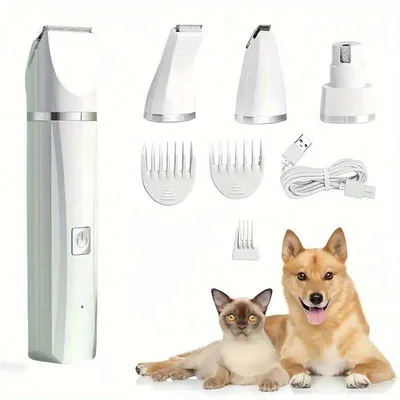
The pet tech category has stopped being a novelty segment. Connected feeders, fountains and litter boxes now sit in mainstream retail channels, and the products that win are no longer the ones with the longest feature list — they are the ones that solve a maintenance problem reliably. Five shifts are driving that change.
1. App Connectivity Moved from Differentiator to Baseline
Two years ago, WiFi control justified a premium tier. In 2026 it is table stakes at the top of every range, and the question has shifted from "does it connect" to "what does it do with the connection."
Buyers have learned to distinguish useful telemetry from decorative apps. Cycle counts, filter life, water level and error states retain value. A bare on/off toggle does not, and products built around one are already being discounted.
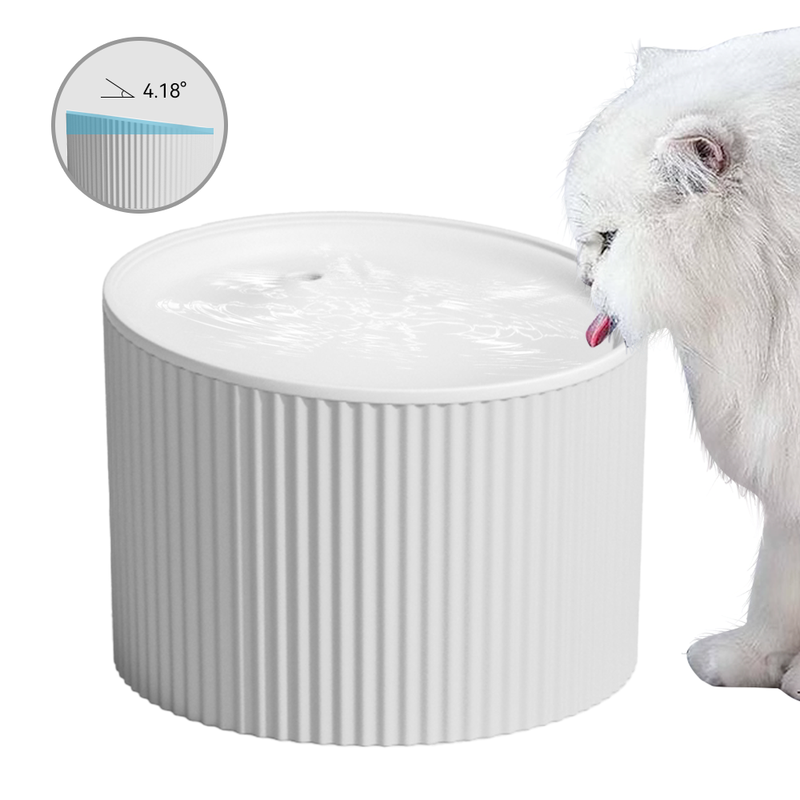
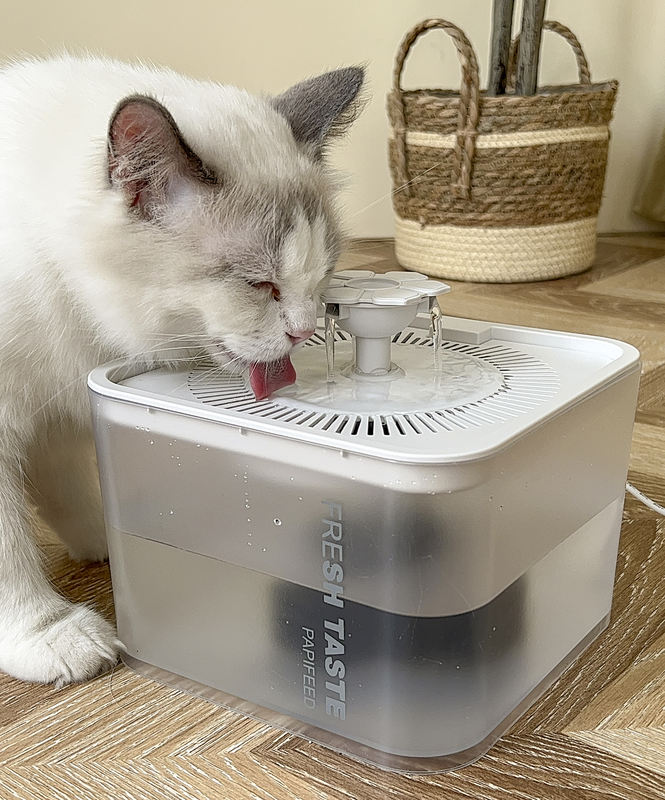
Our 2.5L intelligent sensor fountain is built around filter tracking and level alerts rather than remote toggling — the version of connectivity that survives contact with real owners.
2. Fresh and Wet Feeding Is the Fastest-Growing Sub-Segment
Dry-food-only automatic feeders are a mature category. The growth is in feeders that handle wet food, refrigerate, or preserve freshness across a working day.
This shift tracks owner behaviour: fresh and raw feeding has moved from a niche to a visible share of the market, and dry-only feeders do not serve it. The result is a new tier of products with timers, sealed compartments and cooling.
Our smart wet food feeder with timer and fresh-keeping sits directly in this segment, and it is one of the few ranges where a distributor is not competing purely on price.
3. Odor Management Became a Specification
Odor is the number one complaint in every litter box review channel. Suppliers responded by turning it into an engineering problem: sealed waste compartments, carbon filtration, and active deodorizing stages.
This is good news for distributors, because odor capability is a specification a buyer can compare and a retailer can demonstrate. It converts a commodity purchase into a considered one.
The 70L app-controlled self-cleaning box with eco deodorizing is built around that logic — sealed drum, carbon layer, documented cycle history.
4. Battery-First Design Is Removing Constraint
Cordless fountains and battery-powered toys free placement from power outlets, which matters most in apartments and multi-pet homes where the device ends up wherever the animal prefers.
The trade-off is battery management, so the products that succeed publish clear runtime figures and use standard, replaceable cells. Products that hide their runtime behind vague claims get returned.
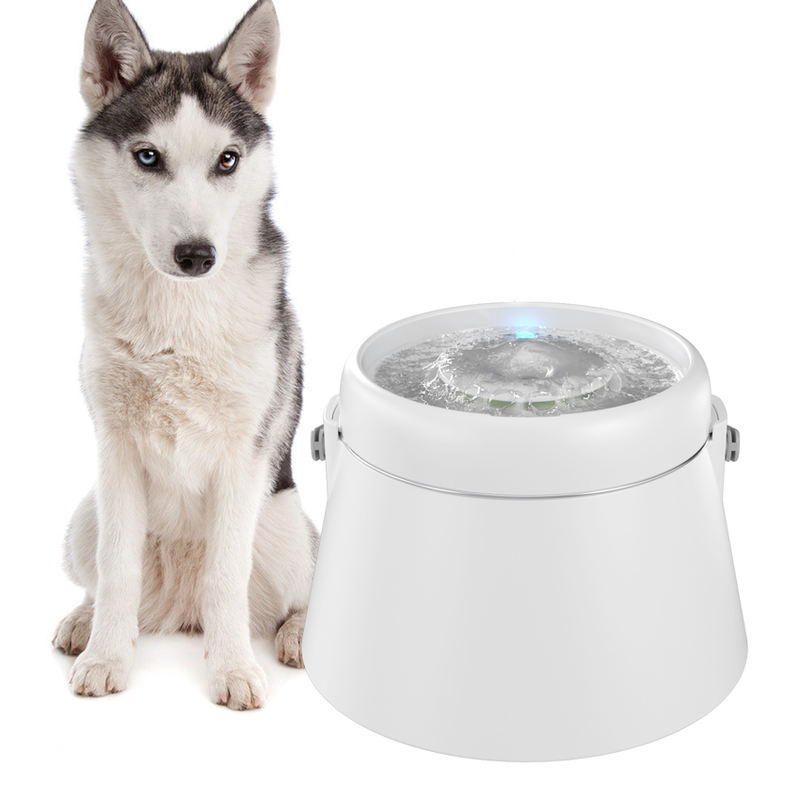
See the 3.2L wireless stainless fountain with 4000mAh battery for a reference specification.
5. Camera and AI Features Are Moving from Gimmick to Utility
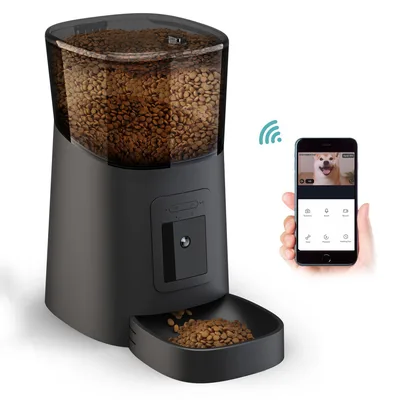
Camera-equipped feeders were initially a premium curiosity. They are now judged on utility: can the owner confirm the pet ate, can they check in during a workday, can two-way audio calm an anxious animal.
Expect the next wave to be about interpretation rather than capture — activity recognition, intake tracking, and behavioural alerts. For distributors, the practical implication is to stock cameras as a utility tier rather than a novelty tier, and to verify night vision and reconnection behaviour rather than resolution alone.
Our 6L HD camera feeder with voice recording and the 4.5L OEM camera model cover the core and entry tiers of that range.
What This Means for a 2026 Range
| Shift | Action for distributors |
|---|---|
| Connectivity is baseline | Verify the app reports data, not just toggles |
| Fresh feeding growing | Add a wet-food tier before competitors do |
| Odor as a spec | Stock sealed compartments; compare filtration designs |
| Battery-first | Publish runtime; prefer replaceable cells |
| Camera utility | Judge on night vision and stability, not megapixels |
Conclusion
None of these shifts reward a bigger feature list. They all reward products that hold up in daily use — reliable connectivity, documented specifications, and designs that accept the reality of a pet's behaviour. Distributors who build a range around that principle are the ones who avoid the discount cycle.
Written by the PetTech Global Product Team. We manufacture smart pet products for distributors in more than 80 markets. Contact us for the full 2026 catalogue or a wholesale quotation.