Cat toys do not fail because cats get bored of toys in general. They fail because a specific toy becomes predictable — and a predictable toy is ignored within days. The way a toy triggers decides how long it survives in the household, which is why the trigger mechanism matters more than the toy's shape.
1. Habituation Is the Real Product Problem
Habituation is the decline in response to a repeated stimulus. Every automatic toy faces it. A toy that runs the same pattern every time teaches the cat what comes next, and once the outcome is known, the toy loses value.
The countermeasures are variation and unpredictability — randomised patterns, reaction to the cat's movement, and intermittent operation rather than continuous motion.
2. Trigger Mechanisms Compared
| Type | How it triggers | Engagement | Weakness |
|---|---|---|---|
| Timer-based | Runs on a fixed schedule | Decays quickly | Predictable; often runs when the cat is asleep |
| Motion-activated | Reacts to contact or movement | Sustains longest | Depends on sensor quality and battery drain |
| Manual interaction | Owner operates it | High but owner-dependent | Requires presence; the actual use case for automatic toys |
| Randomised pattern | Varies path each cycle | Good, especially combined with motion | Mechanical complexity |
Motion activation alone is not enough — the toy must also vary its response. A motion-triggered toy that always moves the same way after being touched suffers the same habituation as a timer toy.
3. Battery Life in Real Use
Motion-activated toys have an inherently better battery profile than timer toys, because they are idle when nothing is happening. A timer toy runs whether or not a cat is present; a motion toy spends most of the day asleep.
The trade-off is sensor standby draw. A poorly designed sensor that polls continuously can drain a battery as fast as a motor. Verify the standby current, not just the runtime claim under continuous use.
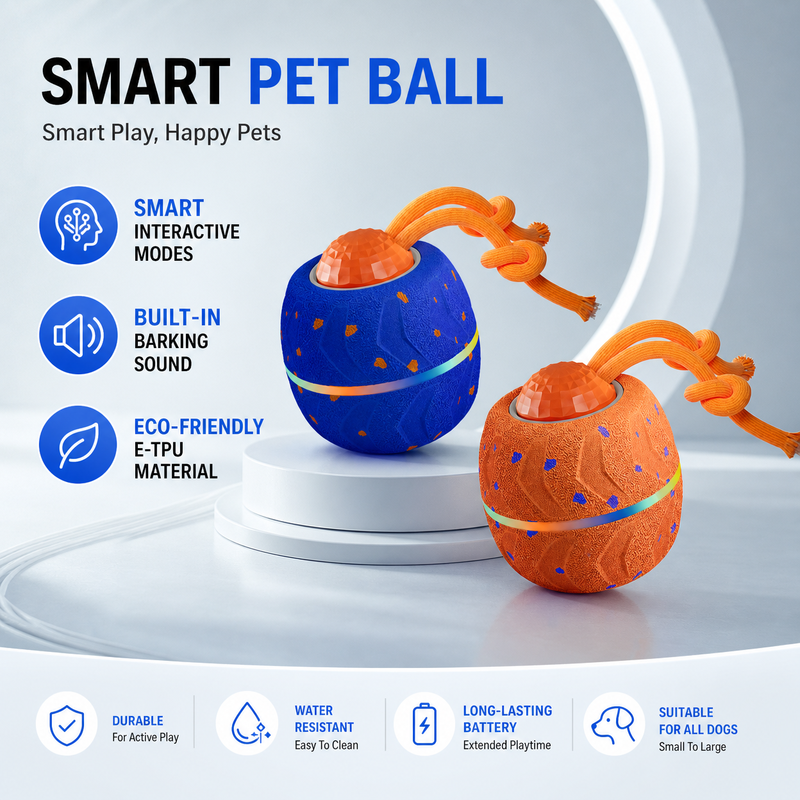
Our motion-activated rolling ball with remote is built around this trade-off — it sleeps between activations and can also be triggered manually when the owner wants to direct play.
4. Randomisation in Practice
Randomisation can be implemented cheaply or properly. Cheapest is a fixed list of patterns played in a loop — better than a single pattern, still eventual habituation. Proper randomisation varies direction, timing and path length independently.
Our 360-degree random rotation laser toy randomises both direction and projection path specifically to slow habituation.
5. Safety and Durability
- Detachable parts: feathers and strings must not be swallowable; verify attachment strength.
- Motor duty cycle: how long the unit runs before thermal cut-off, and whether it resets cleanly.
- Materials: ETPU and natural rubber outlast rigid ABS against determined chewers.
- Charging port: USB-C with a covered port survives a wet environment better than exposed micro-USB.
Our automatic feather teaser uses a randomised motor pattern with an auto-off thermal limit, and the self-amusing bouncing dog ball applies the same motion-trigger logic to dogs.
6. Where Puzzle Toys Fit
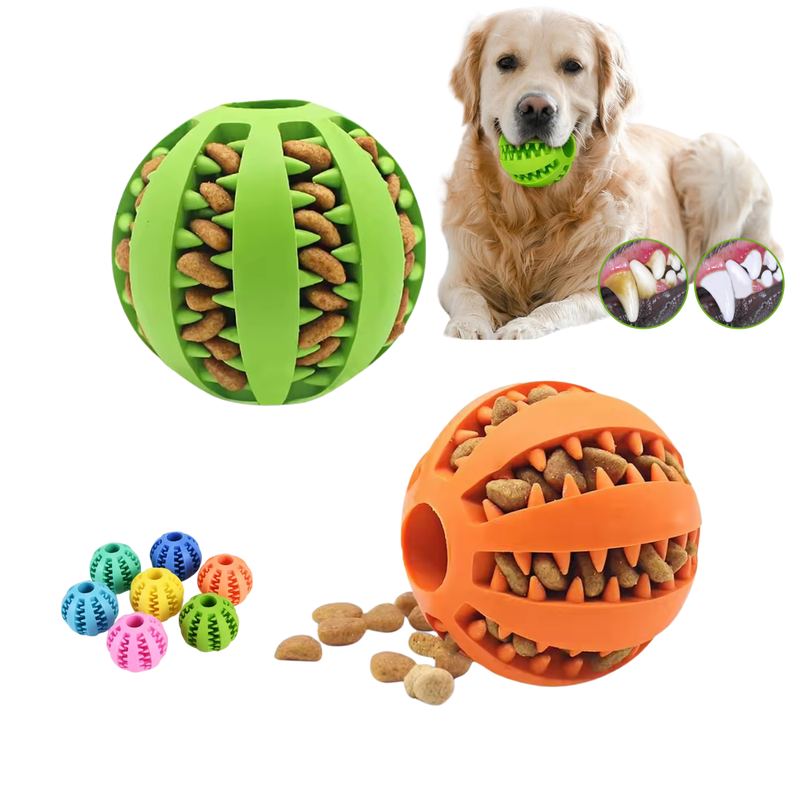
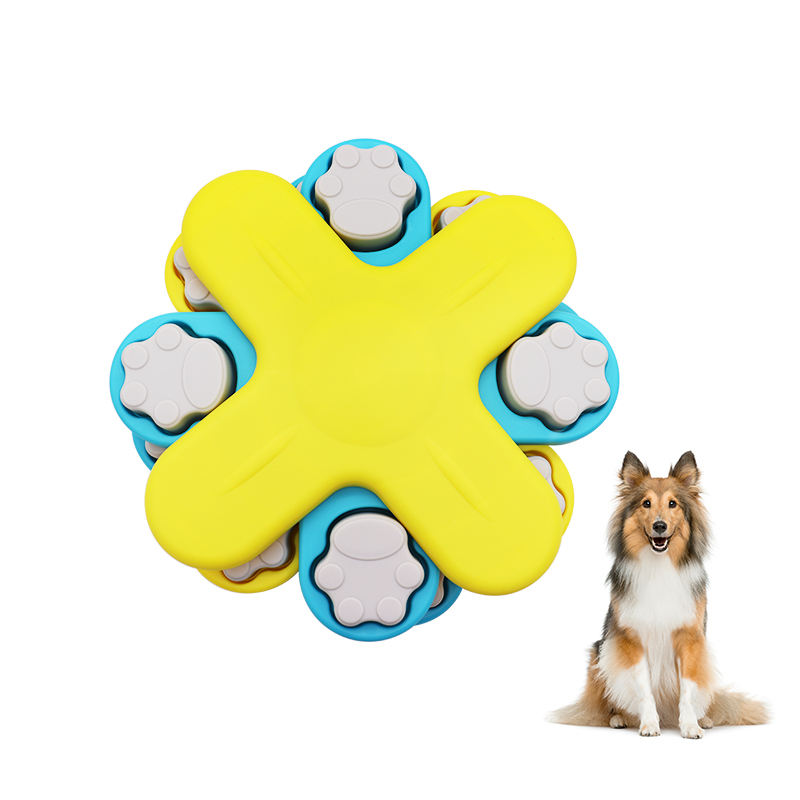
Puzzle and treat-dispenser toys avoid the habituation problem entirely, because the reward is food and the difficulty can be varied by the owner. They also have no battery to fail, which makes their return rate the lowest in the category.
Our interactive treat dispenser and slow feeder covers both enrichment and fast-eating — two problems, one product, no electronics.
Conclusion
If the goal is sustained engagement, the trigger mechanism is the specification that matters. Motion activation with genuine randomisation holds a cat's attention longest, timer toys decay fastest, and puzzle toys sidestep the problem by making the reward the variable. A well-built range stocks all three, because they solve different parts of the same problem.
Written by the PetTech Global Product Team. We manufacture interactive toys, automatic feeders, fountains, litter boxes and grooming tools for distributors in more than 80 markets. Contact us for samples or a wholesale quotation.