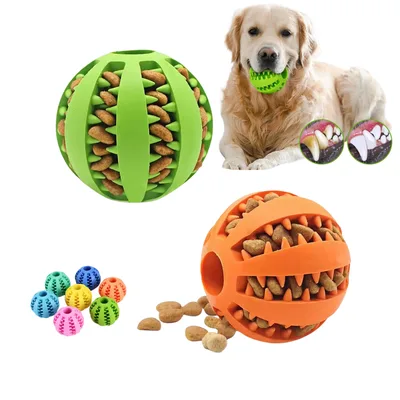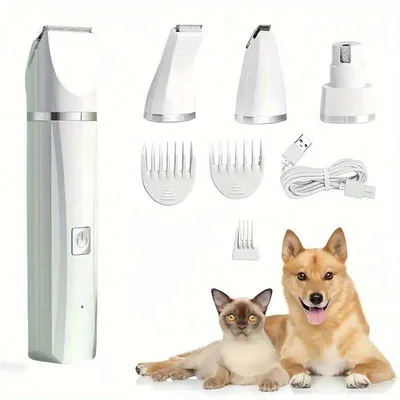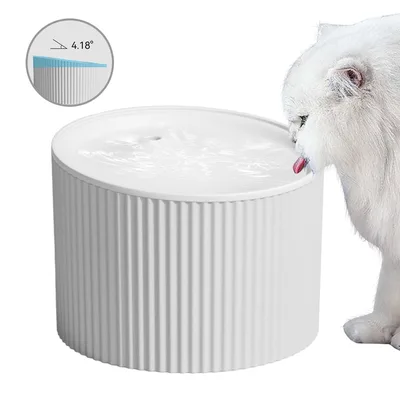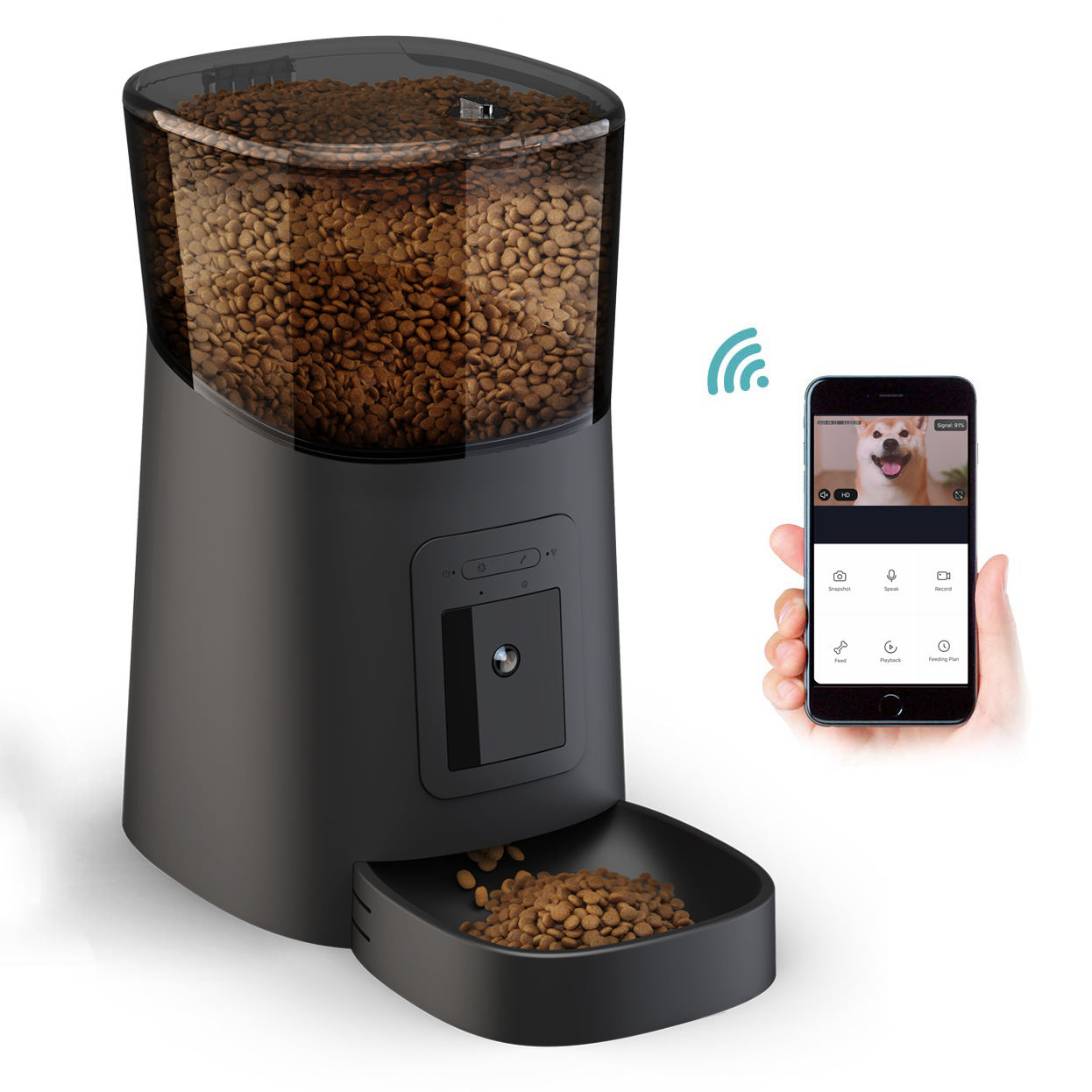
Most failed OEM pet product projects do not fail on price. They fail on four things that are easy to overlook during negotiation: tooling ownership, certification scope, app ownership, and whether the quoted MOQ reflects the real production setup. This checklist covers each.
1. MOQ: Separate Sample MOQ from Production MOQ
Quotations often quote a sample MOQ that is not the same as the production MOQ. A supplier may accept five units for a sample order while the real production minimum — driven by tooling setups or minimum material buys — is far higher.
Ask explicitly:
- What is the MOQ for the first production order?
- Does that MOQ change if I choose a custom colourway?
- Is there a per-SKU minimum inside a mixed container?
A supplier that cannot answer these precisely is quoting from a template rather than from its own production plan.
2. Tooling and Mould Ownership
If your project requires a custom mould or tool insert, ownership decides what happens when you change suppliers. Establish it in writing before any tooling payment.
| Item | What to confirm |
|---|---|
| Mould ownership | You own the tool, not the supplier |
| Tooling cost basis | Amortised in unit price, or paid up front |
| Tool transfer | Right to move the tool to another factory |
| Maintenance | Who pays for wear and refurbishment |
3. Certification Scope, Not Just Presence
Certificates are frequently presented as a single PDF that proves less than it appears to. What matters is scope: which model, which factory, which production line, which date.
- CE / UKCA: confirm the declaration covers your exact configuration.
- FCC: required for intentional and unintentional radiators; verify the module and the host.
- RoHS / REACH: confirm test reports are current and name the materials used.
- Food-contact: relevant for feeders and fountains where plastic meets food or water.
Ask for the certificate number and verify it against the issuing body. A supplier that cannot produce a verifiable number is not certified for that configuration.
4. App Ownership and Longevity
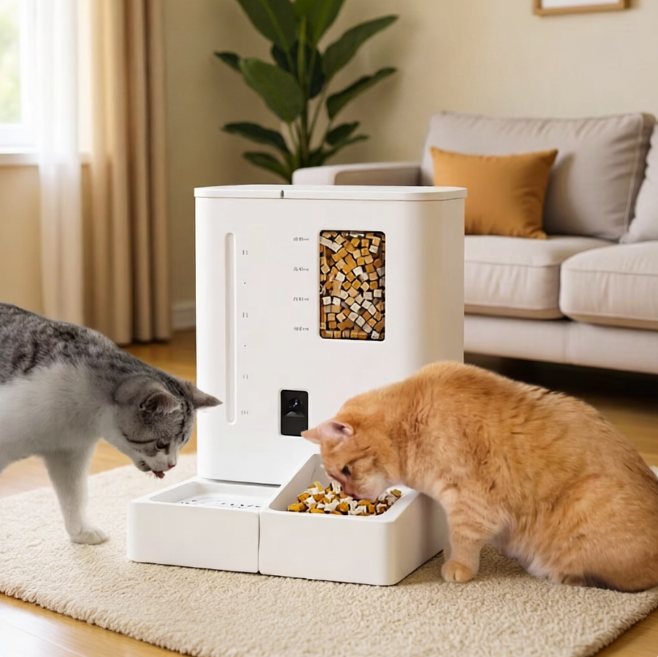
This is the most under-examined risk in connected pet products. If the supplier hosts the app, what happens if they discontinue the product line, change cloud providers, or shut down?
Ask:
- Who owns the app and the cloud backend?
- Can the app be white-labelled, and who controls updates?
- Is there a local fallback mode if the cloud is unavailable?
- What is the contractual commitment on backend availability?
An honest answer distinguishes a long-term product from a disposable one. A feeder whose app dies becomes a paperweight, and that is a return you cannot recover.
5. Packaging and Retail Readiness
Retail-ready packaging is a project in itself: barcode, multilingual copy, handling icons, country-of-origin marking, and regional compliance text. Confirm early whether the supplier designs it or you do, and who owns the artwork.
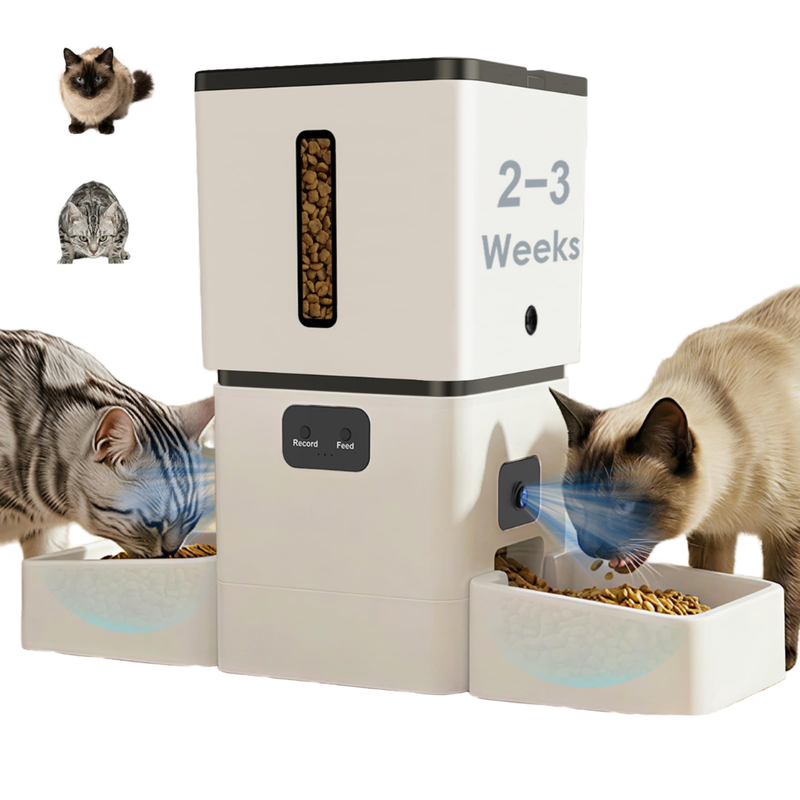
Our 4.5L OEM camera feeder and OEM self-cleaning litter box are both configured for buyer-supplied branding, including packaging artwork and app naming.
6. Sample Verification Before the Production Order
A sample is not a formality. Verify it against the specification you intend to sell:
- Measure the actual litter area or hopper capacity, not the stated figure
- Test the app through a full setup, reconnection and firmware update cycle
- Run the unit continuously to observe thermal behaviour and noise
- Test with the litter, kibble or water type your market actually uses
The 6L timed quantitative feeder is a useful reference point for how a production specification should be documented.
Conclusion
Supplier selection is not a price negotiation — it is a risk assessment. The four questions that separate a durable partnership from a costly one are: what is the real production MOQ, who owns the tooling, what exactly does the certificate cover, and who controls the app. Get written answers to all four before you pay for anything.
Written by the PetTech Global Product Team. We manufacture OEM and private-label pet products — feeders, fountains, litter boxes, grooming tools and toys — and supply distributors in more than 80 markets. Contact us for specifications or a project discussion.