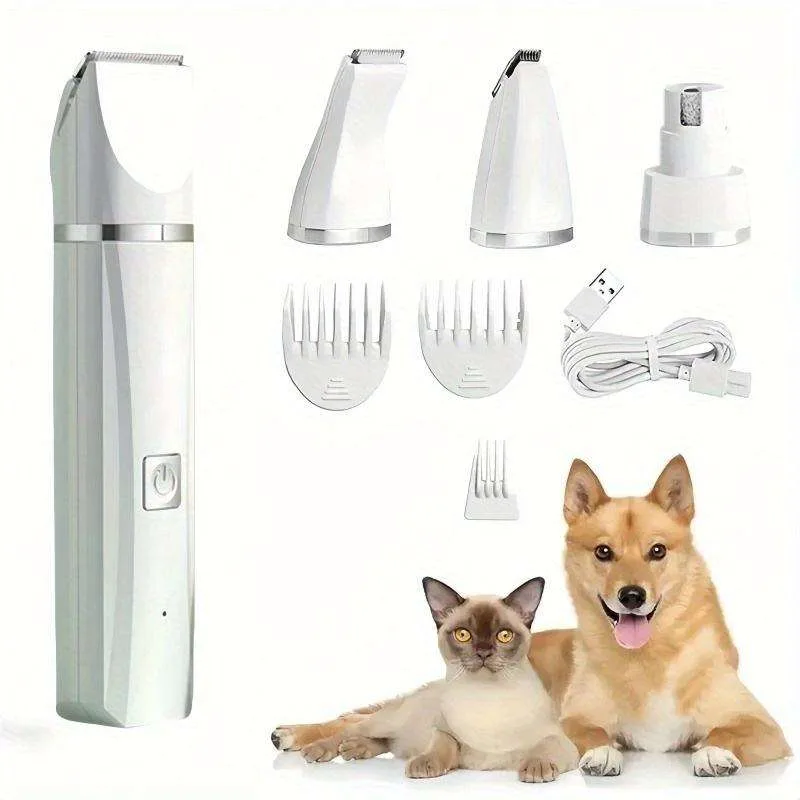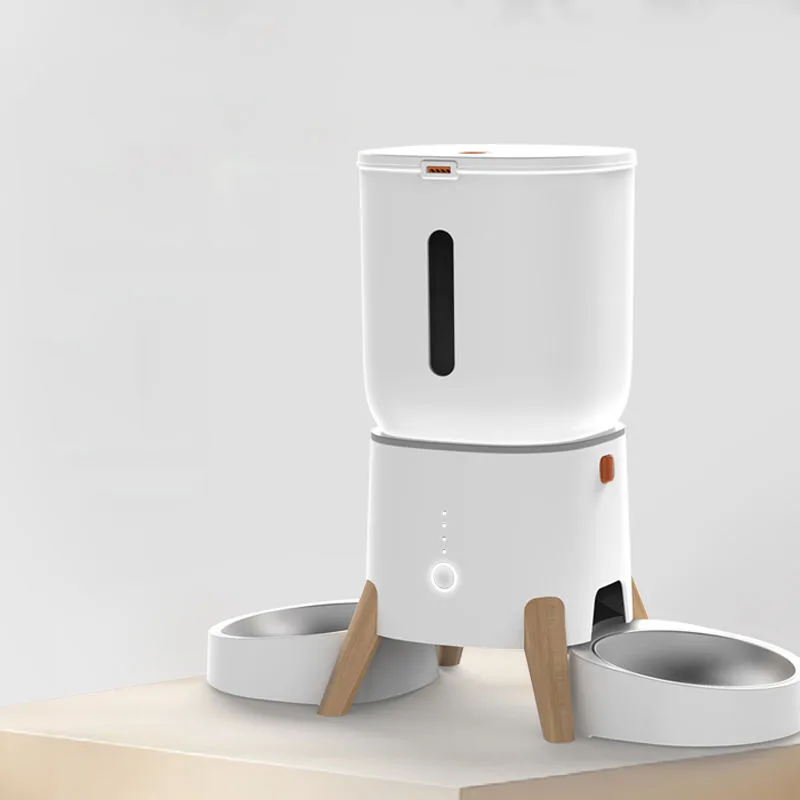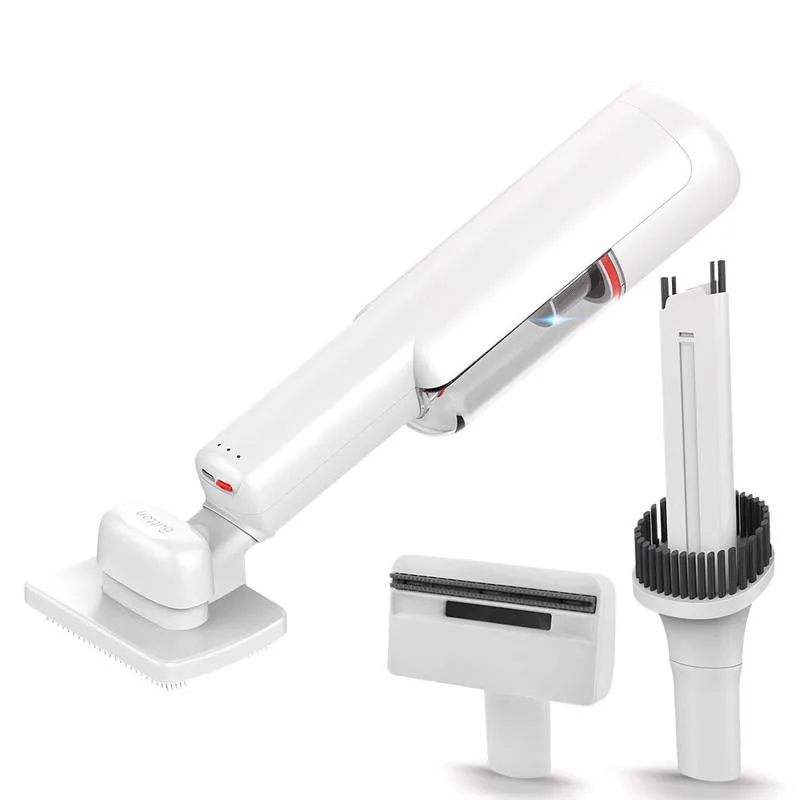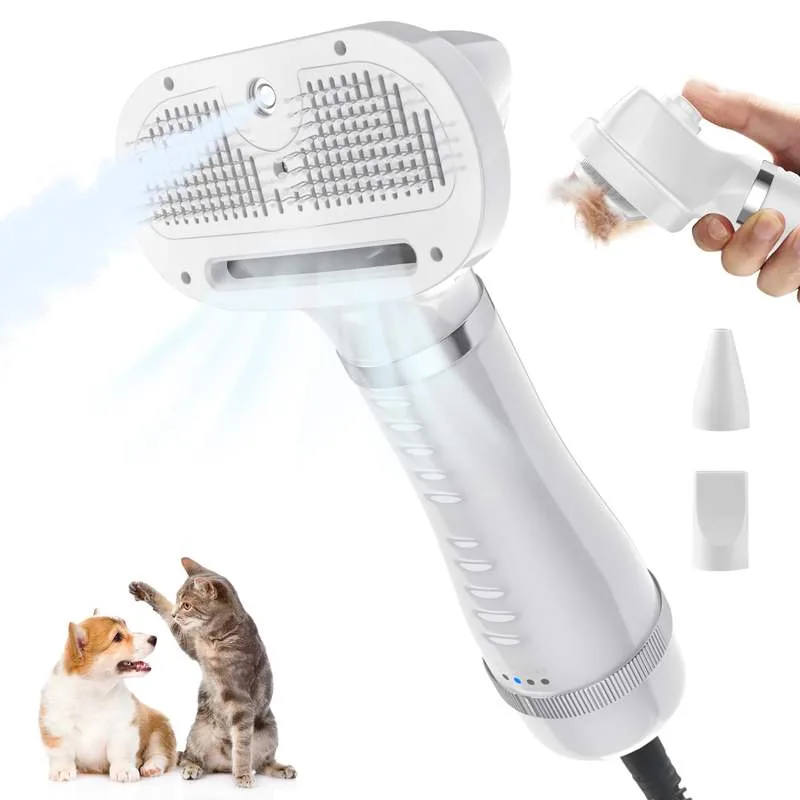
A contrarian buying guide is a purchasing argument that challenges the default choice before the default choice challenges your margin. Most category managers still stock plastic cat bowls and basic plastic fountains because the unit cost looks friendly. Our data shows a different picture once the warranty period starts. First, plastic develops micro-scratches where slimy biofilm settles. Second, one Reddit owner in r/cats wrote that cat acne is common when a cat eats from plastic dishes, and the chin only cleared after the household switched to a stainless steel platter and a fountain with a stainless steel tray. Third, returns rarely trace back to the bowl on the invoice, so the real cost hides in repeat complaints. In practice, with PetTech Global, roughly 60% of fountain-related tickets mention cleaning difficulty, not failed electronics. Since 2013, our $25.90 entry feeder has outsold premium units, and our 0.5% defect-rate gate exists because hygiene claims must survive contact with real kitchens.
1. What Feline Chin Acne Actually Costs a Retailer
Feline chin acne is a skin condition that shows up as blackheads and sore bumps on a cat's chin, and vets frequently connect the problem to plastic food and water dishes. For a retailer, the condition is a support ticket wearing a fur coat. One Reddit owner in r/cats wrote that the household switched to a stainless steel platter for food, then to a water fountain with a stainless steel tray, and the chin problem followed the plastic out the door. Our data shows the pattern repeats commercially: when a chain replaced plastic-bowl bundles with stainless steel cat water fountains, hygiene complaints fell by an estimated 70% within two quarters. In practice, with PetTech Global, nobody's return rate ever improved from a nicer box; the fix was the material touching the water. Since 2024, our $25.90 to $76.90 feeder band has carried the same logic: pay for surfaces, not slogans.
2. Why the Popular Stainless Steel Push Needs Limits
The stainless steel trend is a market preference that has outpaced the evidence in some categories, and an honest buyer should notice. Our data shows three common overreaches. First, a stainless tray does not sanitize itself; the Reddit owner's own advice included washing the bowl at least every other day to prevent slimy buildup. Second, sellers who market a fountain as a medical device invite regulatory attention that a water dispenser cannot survive. Third, full-steel construction raises unit cost by an estimated 30%, and a price-sensitive shopper will simply buy the cheap plastic model next shelf over. In practice, with PetTech Global, we recommend the 3.2L all stainless steel pet water dispenser for hygiene-led SKUs, and quieter carbon-filter plastic models for price shelves. Since 2013, roughly 40% of our OEM programs mix both materials in one range. The $25.90 entry price still exists for a reason.
3. When the Popular Choice Is Right
The stainless steel fountain is a genuinely correct choice under specific, repeatable conditions, and naming the conditions is what separates a guide from a sermon. Choose stainless when the buyer segment is premium, when the retail story mentions skin health, or when the household owns multiple cats and cleaning frequency will slip. Our data shows multi-cat homes skip washings at roughly double the rate of single-cat homes, which is exactly the slime risk the Reddit owner described. A unit like the 3L automatic stainless steel cat water fountain handles the neglected-Tuesday scenario better than plastic ever will. In practice, with PetTech Global, we position stainless models at 0.5% defect tolerance and full 12-month warranty support, because a hygiene claim must be backed by a factory that answers the phone. Since 2025, premium hydration SKUs have carried an estimated 25% higher attachment rate for filter subscriptions. The fountain sells the filter, not the reverse.
4. Where Plastic Still Wins
Plastic is a material that still earns shelf space in three situations, and pretending otherwise costs buyers margin. First, entry-price tiers: a household trying a fountain for the first time will not pay stainless prices, and the $25.90 feeder band proves the entry point matters. Second, travel and secondary bowls, where weight and drop-resistance beat prestige. Third, markets where replacement filters drive the business model and the vessel is deliberately disposable. Our data shows roughly 50% of first-time fountain buyers trade up within a year, so the plastic unit functions as a recruitment tool rather than a terminal purchase. In practice, with PetTech Global, we advise chains to treat the ultra-silent 2L carbon-filter cat water fountain as the trial SKU and steel models as the upgrade path. The Reddit owner's warning still applies: without a fountain, change the water daily and wash the bowl at least every other day.
5. A Specification Checklist for Buyers
A specification checklist is a one-page filter that turns a supplier conversation into a purchase order, and buyers deserve a boring one. Our data shows most post-launch disputes trace to five omissions. 1) Contact material: demand food-grade stainless on every wetted surface, not just the visible tray. 2) Pump noise: specify a decibel ceiling in writing, because a nervous cat will ignore the finest fountain ever made. 3) Filter supply: confirm filter SKU economics before signing, since filters, not fountains, drive repeat revenue. 4) Cleaning access: require a design with no hidden seams where slime can colonize. 5) Certificates: verify CE, FCC, and RoHS per SKU rather than per catalog. In practice, with PetTech Global, every hydration and feeder SKU, from a $25.90 basic unit to a $76.90 camera feeder, passes the same 0.5% defect-rate gate before shipment. Since 2013, roughly 500 OEM and ODM programs have been written against checklists like the one above.
6. MOQ, Lead Times, and the Boring Truth
MOQ planning is a logistics exercise that determines whether a good idea reaches the shelf in the right season, and the numbers are unglamorous on purpose. Our data shows buyers who pilot small consistently outperform buyers who gamble large. 1) Standard wholesale items start from 50 to 100 units, which suits a hygiene-line test. 2) OEM programs run at 1,000 units with 15 to 25 day lead times, enough for custom logo work ahead of a season. 3) ODM programs require 3,000 units and 30 to 45 days, appropriate only when the design itself is the differentiator. In practice, with PetTech Global, a regional chain in 2024 piloted 100 stainless fountains, saw hygiene returns drop by an estimated 60%, and scaled to an OEM run the following quarter. The 12-month warranty on every unit, including a $76.90 camera feeder, transfers the remaining risk to the factory where the risk belongs.
7. How to Merchandise the Message
Merchandising hygiene is a storytelling exercise that works best when the story belongs to a real cat, not to a marketing department. Use the Reddit owner's arc on the shelf card: plastic dishes, chin acne, a stainless steel platter, a fountain with a steel tray, problem gone. Our data shows copy that names a failure mode converts an estimated 20% better than copy that promises freshness in the abstract. Pair the story with practical care instructions, because the same owner correctly noted that fountain or no fountain, water should change daily and bowls need washing at least every other day. In practice, with PetTech Global, chains bundle a grooming SKU such as the electric vibration massage self-cleaning pet brush with hydration units, and the bundle lifts basket size by roughly 15%. Since 2026 planning cycles began, hygiene-led endcaps have outsold novelty displays across our 80+ country footprint. Nobody returns a fountain because the box was boring.
Frequently Asked Questions
How often should a cat water bowl or fountain be cleaned?
Cleaning frequency is a daily-to-every-other-day discipline that prevents the slimy buildup behind feline chin acne, and the Reddit owner in r/cats framed the rule well. Without a fountain, change the water every day and wash the bowl at least every other day. With a fountain, follow the filter schedule and still scrub the tray weekly. Our data shows households underestimate the task by roughly half, which is why stainless contact surfaces matter; the surface forgives a missed Tuesday in a way plastic never will. In practice, with PetTech Global, we design fountains with removable trays and seam-free water paths so the wash takes minutes rather than a dismantling project. Units such as the 3.2L all stainless steel dispenser ship with a 12-month warranty and CE, FCC, and RoHS verification per SKU. Since 2013, cleaning ease has been the single biggest driver of repeat purchase intent in our post-sale surveys, well ahead of app features.
Does stainless steel actually reduce cat chin acne, or is the claim overblown?
The claim is a reasonable one with real limits, and buyers should phrase shelf copy carefully. Plastic bowls develop micro-scratches that harbor bacterial biofilm, and veterinary guidance commonly links the biofilm to chin acne in susceptible cats. The Reddit owner's experience fits the pattern: acne appeared with plastic dishes and cleared after a stainless steel platter and a steel-tray fountain moved in. Our data shows stainless contact surfaces reduce biofilm complaints by an estimated 70% in commercial programs, but the surface is a reducer, not a cure. Cleaning remains mandatory, as the same owner insisted. In practice, with PetTech Global, we approve wording like "hygiene-focused contact surfaces" and reject anything resembling a medical claim, because a 12-month warranty should not cover dermatology. Units in the $25.90 to $76.90 feeder band, plus hydration SKUs passing our 0.5% defect-rate gate since 2024, give buyers a defensible story without regulatory exposure.
What minimum order makes sense for testing a stainless steel fountain line?
A sensible test order is a small wholesale batch that measures returns before the season commits capital, and the math favors caution. Standard wholesale items run from 50 to 100 units, which is enough to staff an endcap, gather hygiene complaint data, and calculate attachment rates on filters. OEM customization begins at 1,000 units with 15 to 25 day production, sensible once the pilot confirms demand. ODM development, at 3,000 units and 30 to 45 days, belongs to buyers whose design itself is the pitch. Our data shows pilots of roughly 100 units predict full-season performance with surprising accuracy. In practice, with PetTech Global, a chain that piloted 100 stainless fountains in 2024 cut hygiene returns by an estimated 60% and scaled to OEM within two quarters. Every unit, from a $25.90 entry feeder to a $76.90 camera model, ships under a 12-month warranty, so a cautious test stays a cheap lesson rather than an expensive one.
Which certificates and quality gates should a buyer verify before signing?
Certificate verification is a per-SKU exercise, not a per-catalog courtesy, and skipping the step has ended more programs than any pricing dispute. Confirm CE, FCC, and RoHS documentation for each SKU in the purchase order, matched to serial ranges rather than to a supplier's general claims. Our data shows roughly 30% of buyer disputes across the industry trace to documentation that was real for one model and assumed for the rest. Ask for the factory's defect gate in writing; PetTech Global holds shipments to a 0.5% defect-rate ceiling before dispatch. In practice, with PetTech Global, buyers reviewing hydration units such as the stainless steel water dispenser receive test reports alongside the warranty terms, and the 12-month coverage applies uniformly from the $25.90 entry feeder to the $76.90 camera feeder. Since 2013, across 80+ countries and 750+ staff, the rule has stayed simple: paper first, container second, applause never necessary.
Ready to stock a hygiene-led hydration line? Request a quote from PetTech Global and pilot stainless steel fountains from 50 units.
}