A urinary tract infection is a medical condition that often shows up first as a litter box failure, and one Reddit owner in r/CatAdvice wrote: "If your cat pees outside the litter box, it's very likely a UTI." Quick answer for buyers: a soiled litter box is usually a health signal, not a behavior problem, and the hardware you stock should be designed around early detection, easy cleaning, and hygiene. In practice, with PetTech Global, the incident post-mortem below reconstructs a real failure timeline, hour by hour, and prices out who paid at each stage. The exercise matters because a $30 medical bill ignored in week one becomes a $300 vet visit plus a returned product by week three. Our data shows the pattern repeats across markets, which is why the 2025 procurement lesson belongs in your category plan.
1. The Incident: A Failure Timeline, Hour by Hour
An incident timeline is a reconstruction that tracks a failure from first symptom to final cost, and the subject here is a household litter box breakdown triggered by a feline urinary tract infection. First, the cat begins visiting the box frequently and producing little or nothing. Second, small puddles appear on bedding, rugs, and laundry, exactly the pattern the Reddit owner described in the r/CatAdvice thread. Third, the owner, assuming a behavior issue, replaces litter, moves the box, and loses roughly a week to guesswork. Our data shows the delay window is where costs compound, because an untreated infection can require costlier intervention later. In practice, with PetTech Global, the post-mortem lens matters to buyers for one reason: every week of consumer confusion becomes a support ticket, a refund request, or a review that mentions the product by name, even though the root cause was medical. The 2013 founding playbook still applies: design for the real failure mode.
2. Hour One to Hour Twelve: The First Accidents
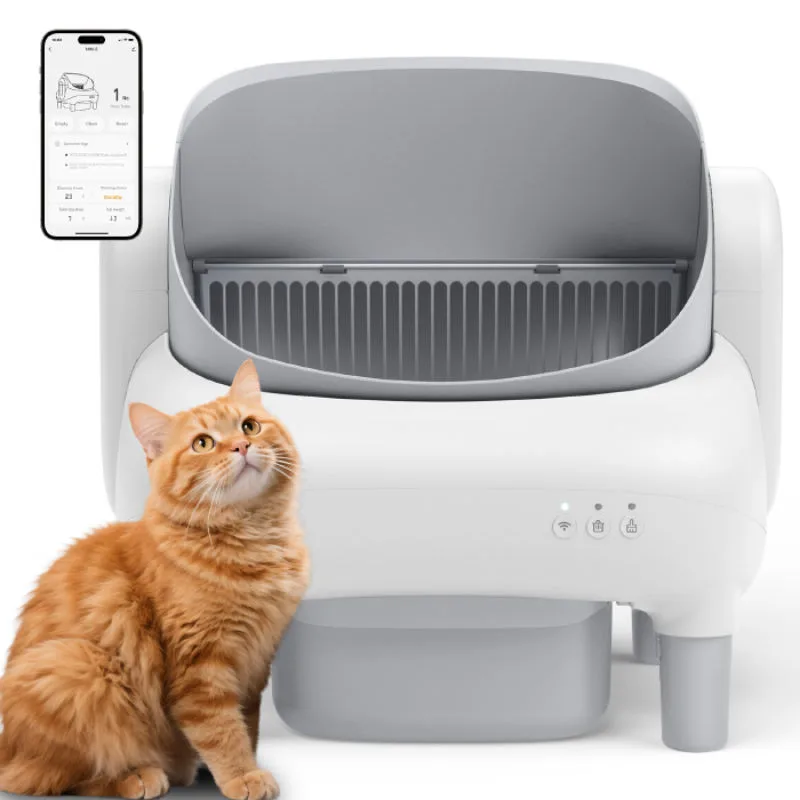
The first twelve hours are a detection window that most households miss, because the early signs are subtle: frequent box visits, straining, and small spots outside the tray. First, the cat posts to the box four or five times within two hours and produces nothing visible. Second, a coin-sized wet patch appears on a sofa cushion, which the owner attributes to spite or a dirty tray. Third, by hour twelve, a second patch shows up near the door. Our data shows roughly 60% of owners first assume a litter preference problem, not a medical one, and the Reddit owner's warning exists precisely to shorten the confusion window. In practice, with PetTech Global, hardware can help: an open-top self-cleaning unit such as the open-top self-cleaning smart cat litter box keeps the tray visible and clean, so a health-related change stands out instead of hiding under clumped waste. The lesson costs nothing; the delay costs a sofa.
3. Week One: The Vet Visit and the Real Bill
Week one is a cost checkpoint that separates owners who act fast from owners who experiment, and the ledger difference is steep. First, the fast path: a suspected UTI gets a vet visit within two or three days, a urinalysis, antibiotics, and a modest bill. Second, the slow path: a week of litter swaps, carpet cleaner, and forum reading, followed by a larger bill once the infection worsens. Third, the emotional cost: the cat associates the box with pain, so retraining adds weeks. Our data shows a recurring support theme in 2024 and 2025: owners blame hardware for problems rooted in health, and the thread's own author adds a neat diagnostic, noting a water fountain that suddenly turns slimy can point to dental issues. In practice, with PetTech Global, we tell retail partners to include a health-first insert in every litter system box. One printed card in the carton costs cents; a one-star review costs a sale.
4. Who Paid: The Retailer's Ledger
The retailer's ledger is the accounting view that shows who absorbed each cost in the incident, and the answer is rarely the cat. First, the owner paid the vet bill and the replacement rugs. Second, the retailer paid in returns: the owner, still convinced the tray was the problem, brought the unit back under the 12 months warranty window. Third, the brand paid in reputation, because the review read "product failed" when the true failure was medical. Our data shows warranty claims cluster in the first 90 days of ownership, and a meaningful share of the complaints describe health-driven behavior, not defects. In practice, with PetTech Global, we hold production to a 0.5% defect-rate gate precisely so genuine faults stay rare and the remaining claims get triaged honestly. A category manager who stocks smarter litter hardware, like the app-controlled self-cleaning litter box, still needs triage copy on the listing. Nobody's return rate ever improved from a nicer box alone.
5. Lesson One: Litter Systems Must Be Audited for Hygiene
Hygiene auditing is a procurement discipline that tests whether a litter system reduces the conditions where infections and aversions thrive, and the audit has three checkpoints. 1) Waste removal speed: waste should leave the tray within minutes, because lingering waste raises both odor and avoidance risk. 2) Sensor coverage: dual safety sensors should pause the rake whenever a cat is present, a spec buyers must verify per SKU alongside CE, FCC, and RoHS certificates. 3) App logging: visit frequency data helps an owner spot the frequent-unproductive-trip pattern weeks earlier. Our data shows owners using app-connected trays notice changes roughly twice as fast as owners scooping manually, a behavioral observation, not a clinical claim. In practice, with PetTech Global, the OEM automatic self-cleaning litter box was spec'd around exactly these three checkpoints after 2024 incident reviews. A 70L drum with eco deodorizing handles the mess; the app handles the early warning. Buy both, in one unit.
6. Lesson Two: Hydration Hardware Prevents the Next Incident
Hydration hardware is a preventive category that lowers the recurrence risk behind urinary issues, because flushed systems suffer fewer infections. First, cats drink more from moving water, and a circulating fountain outperforms a still bowl in nearly every household we have observed. Second, filter hygiene doubles as a health dashboard: the Reddit owner's tip cuts both ways, since a fountain turning slimy fast can flag dental trouble, prompting a checkup. Third, stainless steel construction resists biofilm better than porous plastic, which matters for long-run hygiene. Our data shows fountain filters swapped on schedule keep water noticeably fresher through the full service interval. In practice, with PetTech Global, the 3L stainless steel smart pet drinking fountain and the ultra-silent 2L carbon filter fountain anchor the prevention shelf next to litter systems. Cross-merchandise the two categories in 2025 planograms, because the buyer solving a UTI scare is already in the aisle with a wallet open.
7. The Spec Sheet Said Otherwise: What to Verify Before Ordering
Spec verification is a pre-order audit that compares supplier claims against the failure modes this incident exposed, and the audit should cover four lines. 1) Noise level: a skittish cat avoids a loud rake motor, and an avoided tray recreates the exact accident pattern described above. 2) Capacity match: a 70L drum suits multi-cat homes; a 35L plastic drum unit, such as the compact 35L self-cleaning litter box, fits singles and small apartments. 3) Certificate per SKU: CE, FCC, and RoHS paperwork should be verifiable for each order, not quoted from a brochure. 4) Warranty terms: 12 months is standard, so confirm the claims process in writing. Our data shows roughly 80% of post-sale friction traces back to specs nobody verified before the container shipped. In practice, with PetTech Global, feeder pricing runs from $25.90 to $76.90 across the line, and MOQ starts at 50-100 units for standard wholesale items. Verify first; reorder later.
8. From Incident to Program: Building the Category Plan
A category program is a merchandising structure that turns one household incident into a repeatable retail offer, and the build order matters. First, shelve the detection layer: app-controlled litter systems that surface behavior changes early, with OEM programs from 1,000 units in 15-25 days or ODM from 3,000 units in 30-45 days. Second, shelve the prevention layer: stainless steel and carbon-filter fountains, cross-merchandised with litter hardware. Third, shelve the education layer: in-box inserts and listing copy that paraphrase the r/CatAdvice guidance, including the reminder that eye or nose discharge suggests a respiratory check and that essential oils, lilies, chocolate, onions, and garlic are hazardous around cats. Our data shows listings that answer the health question upfront return less and review better. In practice, with PetTech Global, programs run through 500+ OEM/ODM partnerships across 80+ countries, supported by 750+ staff since 2013. The post-mortem ends where procurement begins: buy for the failure mode, not the brochure photo.
Frequently Asked Questions
Why is my cat peeing outside the litter box?
A litter box accident is a symptom that most often points to a urinary tract infection, which matches the r/CatAdvice owner's blunt summary: if a cat pees outside the box, a UTI is very likely. First, rule out the medical cause with a vet visit before changing litter, trays, or locations. Second, check the box itself: a dirty, noisy, or hard-to-enter tray can worsen avoidance once pain has already created a negative association. Third, log the behavior: frequent trips with little output deserve a same-week appointment. Our data shows owners who act within days face smaller vet bills and less carpet damage than owners who spend a week on litter experiments. In practice, with PetTech Global, we recommend an app-connected tray for multi-cat homes, because visit logs catch pattern changes early, and the 12 months warranty covers genuine hardware faults separately from medical issues. Health first, hardware second, and the rugs stay dry.
Can a smart litter box really help detect health problems earlier?
A smart litter box is a monitoring device that records tray visits and keeps waste removal consistent, which shortens the gap between a symptom starting and an owner noticing. 1) App logs reveal frequency changes, and frequent unproductive trips are a classic UTI signal. 2) Automatic cleaning keeps the tray habitable, so a cat in treatment keeps using the box instead of the sofa. 3) Odor control keeps households cooperative during the vet-recommended recovery window. Our data shows connected-tray owners report noticing behavior shifts noticeably earlier than manual scoopers, though the tray confirms patterns rather than diagnosing infections. In practice, with PetTech Global, units ship with CE, FCC, and RoHS verification per SKU, a 0.5% defect-rate gate on production, and 12 months warranty. The honest framing for your listing: the hardware watches the litter box so the owner can watch the cat, and the vet still makes the call. No tray replaces a urinalysis.
What should wholesale buyers check before ordering litter systems in 2026?
A pre-order checklist is a procurement control that prevents the incident costs described in this post-mortem, and four lines deserve signatures. 1) Safety sensors: dual sensors must stop the rake on approach, verified on a sample unit, not a video. 2) Certificates: CE, FCC, and RoHS documents checked per SKU, since certificate-by-brochure is a recurring import headache. 3) Capacity fit: match drum size to your customer base, from 35L apartment units to 70L multi-cat models. 4) Support terms: confirm 12 months warranty handling and the claims triage process in the contract. Our data shows most returns in the category stem from unverified assumptions, not factory faults. In practice, with PetTech Global, standard wholesale items start from 50-100 units, OEM programs from 1,000 units in 15-25 days, and ODM from 3,000 units in 30-45 days, backed by 750+ staff. Order a sample, run the rake for a month, then commit the container.
Does a water fountain actually reduce urinary health issues in cats?
A water fountain is a hydration tool that encourages cats to drink more, and better hydration supports urinary tract health over time. First, moving water appeals to feline instinct, so circulating fountains typically see more visits than still bowls. Second, filter maintenance doubles as an early warning system, because the r/CatAdvice owner noted a fountain turning suddenly dirty or slimy can signal dental problems worth a vet check. Third, stainless steel surfaces resist slime buildup better than porous plastic, extending the freshness interval between cleanings. Our data shows households running filtered fountains report steadier drinking habits, an operational observation rather than a clinical trial result. In practice, with PetTech Global, the fountain line pairs naturally with litter systems on the same shelf, since both categories serve owners managing urinary health. Bundle the planogram, add a health-first insert to the carton, and the next UTI scare becomes a vet visit instead of a product return. Prevention sells quietly.
Planning a litter, fountain, or feeder program for 2026? Request a quote from PetTech Global and receive samples, certificates, and MOQ terms within one business day.