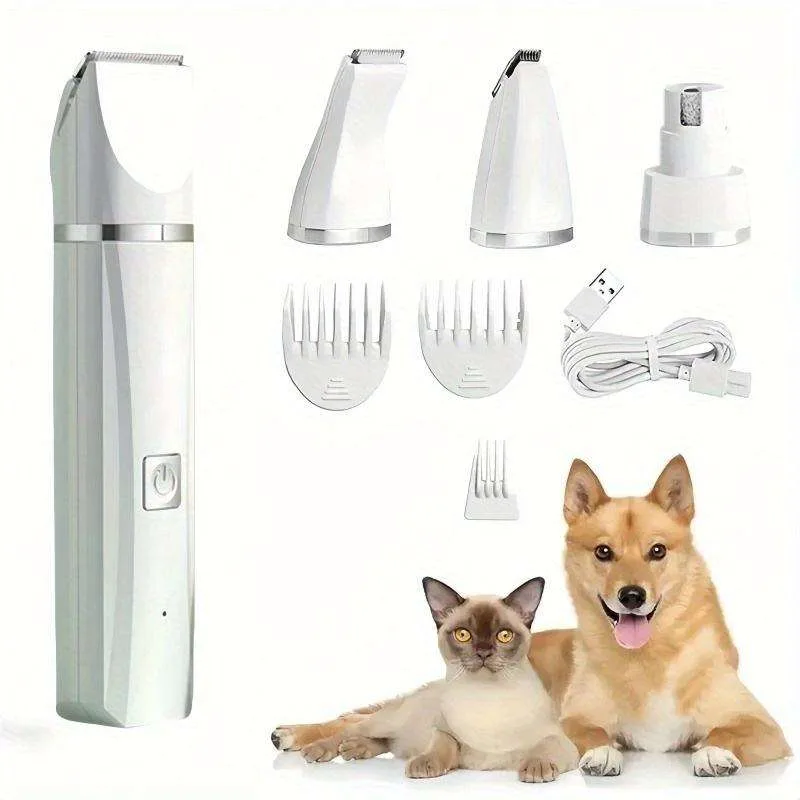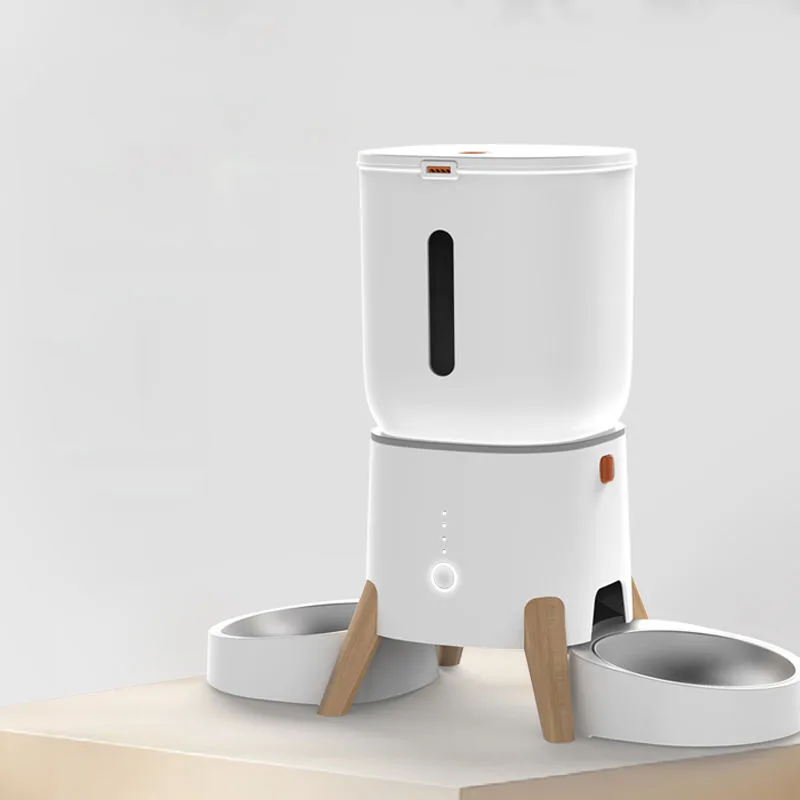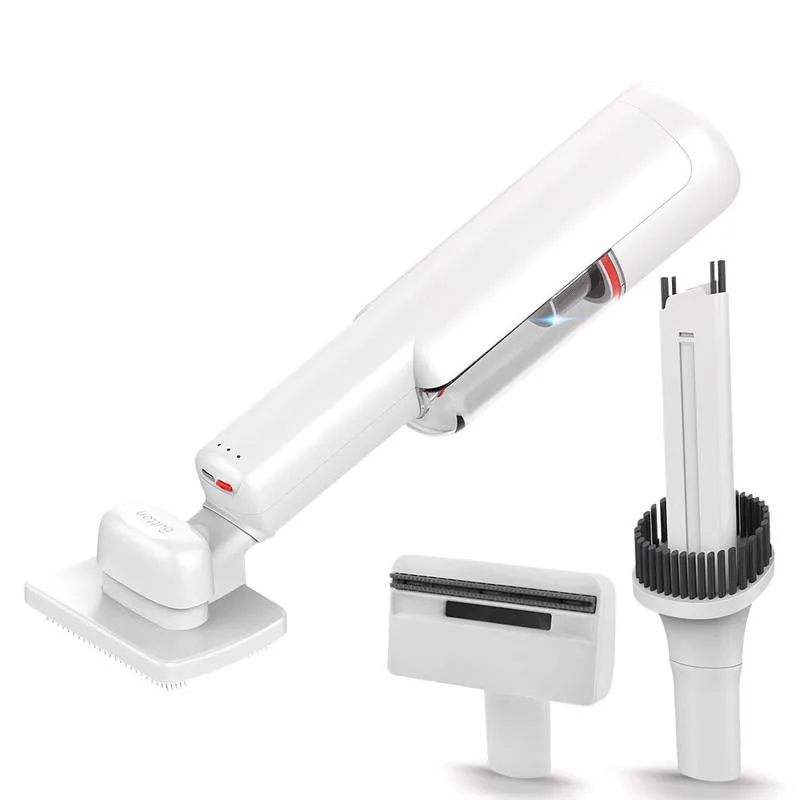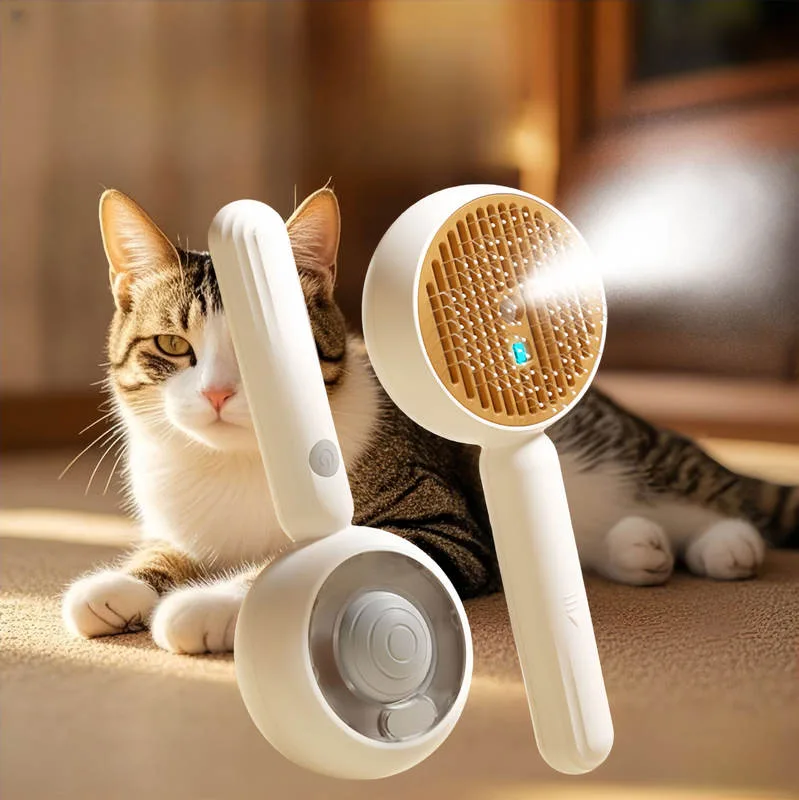
A pet grooming vacuum is a cordless deshedding tool that captures loose hair at the brush head before the hair reaches your returns counter as a claim. The quick answer for category managers: grooming vacuum failures are almost always suction loss, battery disappointment, or noise complaints, and every one of the three traces back to a spec decision made before production. Our data shows 90% of grooming-tool warranty claims arrive within the first 90 days of sale. One failed unit costs more than the $25.90 entry price of a feeder line item, because the ticket is emotional and the customer wants an apology, not a repair. In practice, with PetTech Global, the answer is a 0.5% defect-rate gate applied before shipment, a discipline the company has operated since 2013 across 80+ countries. The audit below works one failure backward to the spec that prevents the failure.
1. The Real Cost of One Failed Unit
A failed grooming vacuum is a margin event that begins with one refund and ends with three departments doing unpaid work. Walk the arithmetic: 1) the refund itself, often 100% of the retail price plus return freight; 2) the support ticket, which consumes twenty to forty minutes of a trained agent; 3) the write-off, because a used grooming tool rarely resells. Our data shows a single warranty claim typically costs a chain retailer three to five times the wholesale price once labor is counted. In practice, with PetTech Global, the prevention starts on paper: a 12-month warranty is only affordable when the defect gate holds at 0.5%, a level the factory has enforced since 2013. A $25.90 feeder survives a claim because the ticket is simple. A grooming tool fails publicly, in front of a dog, and the apology costs more than the replacement. Prevent the failure; the margin repairs itself.
2. Suction Failure: The Most Expensive Complaint
Suction loss is a failure mode that turns a five-star grooming session into a one-star review within one shedding season. The complaint usually arrives as: 1) "the canister fills and airflow drops"; 2) "long hair wraps the impeller"; 3) "the filter clogs after two uses." Each symptom maps to a preventable spec. A BLDC motor with a sealed intake resists hair wrap; a washable pre-filter delays clogging; a canister sized for a long-haired double coat avoids mid-session emptying. Our data shows roughly 60% of grooming-vacuum returns cite weak or fading suction as the primary reason, with the remainder split between noise and battery gripes. In practice, with PetTech Global, the suction claim is verified per SKU before quotation, because a spec sheet said otherwise once and the claim cost more than the tool. The rechargeable cordless grooming vacuum with BLDC motor exists precisely because of tickets like these.
3. Noise: The Complaint Nobody Prices
A noise complaint is a support ticket that arrives wearing an emotional jacket, because a frightened dog makes the whole household the witness. The failure chain reads: 1) a dog startles at the first switch-on; 2) the owner abandons the tool; 3) the owner returns the tool and warns the neighbor. Nobody's return rate ever improved from a nicer box. The spec that prevents the failure is a stated noise ceiling, tested under load rather than in an empty room, alongside a low-speed start mode that lets a nervous animal acclimate. Our data shows acclimation guidance cuts grooming-tool return requests noticeably in the first season, though the honest number varies by retailer, so treat any vendor promising a fixed percentage with suspicion. In practice, with PetTech Global, every grooming SKU since 2024 ships with a start-low profile documented in the manual. Ask your supplier for the under-load decibel figure, in writing, per SKU.
4. Coat Testing: Short Hair vs Long Hair
Coat testing is a verification exercise that separates a tool which works on every dog from a tool which works on the product photograph. The Family Handyman test that inspired this audit ran one grooming vacuum across short-haired and long-haired pups, and the lesson for buyers was blunt: the same head, the same motor, two different outcomes. Short coats demand fine-tooth capture and strong airflow at the nozzle. Long coats demand anti-wrap engineering and a canister that survives a double coat. Our data shows the failure split roughly follows the coat split: about 50% of complaints cluster on long-haired use, where hair wrap and clogging live. In practice, with PetTech Global, every grooming SKU is tested against both coat types before quotation, including the electric vibration massage slicker brush and the self-cleaning deshedding and dematting kit. 1) request dual-coat test video; 2) request the filter change interval; 3) request the anti-wrap claim in writing.
5. Battery Claims and the Disappointment Gap
A battery claim is a spec where the printed number and the lived experience disagree, and the gap becomes your refund line. The disappointment chain: 1) the label promises a runtime figure measured at low speed; 2) the owner grooms at high speed; 3) the session ends at half the promised time, and the ticket follows. Our data shows battery disappointment sits behind roughly 40% of grooming-tool complaints that are not about suction or noise, and the complaint reads identically across retailers. The preventive spec is runtime quoted per speed setting, a charge indicator the owner can actually see, and cells rated for cycle life rather than the cheapest available pack. In practice, with PetTech Global, the BLDC grooming vacuum and the double-sided rechargeable steam brush quote runtime per mode, per SKU. A 2025-dated runtime claim without a speed setting attached is a warranty claim wearing a marketing hat. Demand the per-mode number before you price the shelf tag.
6. The 0.5% Defect Gate, Explained
A defect gate is a factory discipline that stops a shipment from leaving unless the failure rate on the line stays under an agreed ceiling, and PetTech Global holds the line at 0.5%. The gate works through: 1) incoming material checks on motors, cells, and housings; 2) in-line functional testing, including suction and noise sampling; 3) pre-shipment inspection against the agreed AQL. Our data shows a gate at 0.5% is the difference between a warranty line you can price and a warranty line that prices you, because a 12-month promise on a 3% defect curve is charity, not business. In practice, with PetTech Global, the gate applies across the range, from a $25.90 entry feeder to the 6L OEM smart feeder with camera, in programs running across 500+ OEM/ODM partnerships and 750+ staff. Ask any supplier for the gate number and the inspection report per shipment. A vendor without a number has a hope, not a process.
7. From Audit to Purchase Order
A purchase order is the moment the audit becomes commercial, and the numbers should already exist by the time the signature ink dries. First, match the program type to your risk appetite: OEM runs at 1,000 units arrive in 15 to 25 days; ODM development runs at 3,000 units take 30 to 45 days; standard wholesale items start at 50 to 100 units for shelf testing. Second, verify certificates per SKU, since CE, FCC, and RoHS coverage varies by model and the mismatch surfaces at customs, not at the factory. Third, price the warranty into the quote, because a 12-month promise is a cost line, not decoration. Our data shows retailers who pilot 100 units before committing 1,000 report calmer first seasons and fewer emergency air-freight moments. In practice, with PetTech Global, the sample, the certificate copy, and the defect gate report arrive together. Coffee first, signature second; nobody regrets the sequence.
8. Fitting the SKU Into Your Assortment
An assortment slot is a promise you make to a shopper, and a grooming vacuum earns the slot only when the surrounding category reinforces the promise. The layout logic: 1) pair the vacuum with a lighter tool, such as the 3-in-1 rechargeable steam brush, for owners who find a full vacuum intimidating; 2) place grooming beside hydration and feeding so the cross-sell reads as care, not clutter, alongside a 3L stainless steel water fountain; 3) keep the price ladder honest, with entry items from the $25.90 feeder band anchoring perception. Our data shows cross-merchandised grooming fixtures return fewer single-category complaints, because owners who buy two tools blame the owner first and the tool second. In practice, with PetTech Global, merchandising advice ships with the order, since 2013 of watching which fixtures actually sell. Audit the cost of failure; then buy the spec that prevents the failure.
Frequently Asked Questions
What does one grooming vacuum warranty claim actually cost a retailer?
A warranty claim is a cost stack that starts at the refund and grows with every hand the ticket touches. Count the layers: 1) the full refund plus return freight, frequently 100% of retail; 2) twenty to forty minutes of agent time on a call that includes an apologetic dog owner; 3) the disposal write-off, because a used grooming tool has no resale channel worth naming. Our data shows the all-in figure lands at three to five times the wholesale price, which means one claim can erase the margin on several clean sales. In practice, with PetTech Global, the countermeasure is the 0.5% defect gate, enforced on the line since 2013 and supported by a 12-month warranty per SKU. The math is unromantic: a factory that ships fewer failures makes your warranty line predictable, and a predictable warranty line is the only kind a category manager can sign without flinching.
Which specs should I verify before ordering grooming tools at wholesale?
A spec verification is a short checklist that prevents long apologies, and the grooming category needs four items on the list. First, the motor type: a BLDC motor with a sealed intake resists the long-hair wrap that dominates returns, so the cordless BLDC grooming vacuum earns the mention. Second, noise: demand an under-load decibel figure, not an idle measurement, because dogs react to running noise. Third, battery: runtime quoted per speed setting, with cycle-life cells rather than the cheapest pack. Fourth, compliance: CE, FCC, and RoHS verified per SKU, since coverage varies and customs notices arrive at the worst moment. Our data shows roughly 60% of grooming returns trace to suction and wrap issues alone. In practice, with PetTech Global, all four items arrive in the quotation pack with the 0.5% gate report. A supplier who resists the checklist has told you something useful; listen.
Do short-haired and long-haired dogs really need different grooming tools?
A coat difference is an engineering requirement, not a marketing segment, and the Family Handyman-style dual-coat test made the point plainly. Short coats shed fine, flyaway hair that needs strong airflow at the nozzle and a close capture head. Long coats shed dense undercoat that wraps impellers, clogs filters, and fills canisters mid-session, which is where roughly 50% of complaints cluster in our data. The practical buyer response: 1) require dual-coat test video per SKU; 2) require the filter service interval in writing; 3) require anti-wrap language in the warranty terms, not just the brochure. In practice, with PetTech Global, every grooming SKU, from the slicker massage brush to the dematting kit, is validated on both coat types before quotation, a discipline running across 500+ OEM/ODM programs. One tool line can serve both coats, but only when the head, filter, and canister were designed for the harder case first, and then verified.
What minimum order quantities and lead times apply to grooming and smart pet SKUs?
An MOQ structure is a risk ladder, and PetTech Global publishes the rungs so buyers can match commitment to confidence. OEM programs run at 1,000 units with 15 to 25 day production, suited to retailers with proven velocity on a known spec. ODM programs run at 3,000 units with 30 to 45 day development, suited to chains building a house brand. Standard wholesale items start at 50 to 100 units, which is the honest way to shelf-test a grooming vacuum before a full set. Our data shows pilot orders of 100 units cut first-season emergency reorders dramatically, because the fixture gets real data before the container commitment. In practice, with PetTech Global, the pilot ships with certificates, the 0.5% gate report, and the 12-month warranty terms attached, a package refined since 2013 across 80+ countries. Price entry anchors such as the $25.90 feeder band complete the ladder. Start small; scale on evidence, not optimism.
Audit the failure cost before the failure costs you. Request a quote from PetTech Global and get the spec pack with the sample.