A field-note review is a working retrospective built from dock receipts, QC sampling logs, and shelf reports rather than a weekend with a spec sheet. A self-cleaning litter box is an automated hygiene unit that rakes or separates waste after each visit, and the 2026 Catster review of the Oneisall model confirms what our dock crew has argued since 2013: buyers judge the mechanism, not the brochure. Our data shows the same three questions arrive on every purchase order. 1) Does the rake survive coarse clay litter? 2) Do the sensors false-trigger? 3) Who answers the phone when a customer opens a ticket? In practice, with PetTech Global, the answers live in sampling records, not marketing decks. Below, the import team shares raw observations across a container-load cycle, from pallet cut-open to week twelve on a chain-store shelf.
1. Why Field Notes Beat Spec Sheets
A spec sheet is a promise; a field note is a receipt. Professional buyers deserve the second document, and the 2026 review cycle gave the team plenty of material. Our data shows three recurring gaps between brochure language and dock reality. 1) Cartons rated for stacking arrive on pallets stacked nine-high in humid holds. 2) Units tuned for fine litter meet customers who swear by coarse clay. 3) Firmware shipped in one language meets a shelf in a second. In practice, with PetTech Global, each gap gets logged, sampled, and fed back to the production line before the next container closes. Roughly 60% of early-life issues trace back to handling and litter choice rather than the core mechanism, and the remaining share mostly involves the power adapter. None of the numbers improved because a nicer box showed up. Notes, not adjectives, move defect curves.
2. Receiving Day: Cartons, Pallets, and the First Surprise
Receiving day is the honest hour of any program, and a self-cleaning litter box is a bulky category noun that punishes sloppy packaging. The dock crew opens one carton per pallet layer, and the routine never changes. First, check corner crush, because a dented corner means a shifted drum inside. Second, weigh the carton against the manifest, since a missing bowl or adapter shows up in grams. Third, power one unit cold from the pallet and listen to the motor over warehouse noise. Our data shows that cold-start listening catches more faults than any bench test scheduled later. In practice, with PetTech Global, the crew logs findings against a 0.5% defect-rate gate, and a bad pallet can hold a full container for rework. Buyers comparing the 70L app-controlled model should ask suppliers for the same receiving protocol in writing.
3. QC Sampling and the 0.5% Defect Gate
QC sampling is the discipline that separates a manufacturer from a trading company with a camera. The team pulls units at random across the run, never from the front row where the good ones hide. The checklist covers the unglamorous items. 1) Rake torque under a loaded drum, measured with coarse litter, not the showroom sand. 2) Sensor response with a weighted bag at kitten weight, because false negatives make headlines. 3) Seal integrity around the waste drawer after fifty cycles. Our data shows that cycle testing at fifty reveals the seal and gear issues a ten-cycle test politely conceals. In practice, with PetTech Global, the 0.5% defect-rate gate has held since well before the 2026 season, and the line runs the open-top dual-sensor model, the open-top 70L unit, through identical sampling. No sampling heroics, no weekend miracles. Just repetition.
4. The First 90 Days on Retail Shelves
The shelf is where marketing hands the baton to the return desk, and a smart litter box is a high-ticket category noun that invites scrutiny. Chain-store feedback over the first ninety days sorts into three buckets. First, box copy matters less than the quick-start card; customers who read one page set the unit up correctly. Second, odor complaints drop sharply when stores demo the deodorizing module running, not boxed. Third, the drawer liner question decides repeat purchases, because a poorly fitted liner jams a rake faster than any litter brand. Our data shows that roughly 60% of early returns trace to setup errors the card could have prevented. In practice, with PetTech Global, retailers stocking the app-control odor-removal model report fewer setup calls after the card redesign entered the 2026 cartons. Sell the demo, not the carton art.
5. Odor Control: The Module Retailers Ask About
Odor control is the feature every buyer pretends to deprioritize and every category manager checks first. A deodorizing module is a small carbon-and-airflow assembly that scrubs the waste chamber between cycles, and the difference between a good module and a cheap module shows up around week six. The field notes are blunt. 1) Carbon quality beats carbon quantity, and a thin pad replaced quarterly outperforms a thick pad nobody services. 2) Fan noise decides bedroom placement, and bedroom placement decides satisfaction. 3) Sealed drawer geometry matters more than any spray or gel upsell. Our data shows that odor complaints fall below the noise floor when all three items ship aligned. In practice, with PetTech Global, the drum-style 35L plastic-drum unit entered the 2026 line after module samples passed a sixty-cycle odor log. Nobody's return rate improved from a nicer box, but quiet airflow has fans.
6. Safety Sensors and the Weight Question
Safety sensors are the least negotiable feature in the category, and a weight sensor is a load-cell component that pauses the rake when a cat enters the chamber. The failure modes read like a support-ticket highlight reel. 1) False triggers from vibration, which train owners to disable the pause function, a bad trade. 2) Missed detection at kitten weight, the scenario no brand wants in a review. 3) Delay timers long enough to frustrate yet short enough to matter. Our data shows dual-sensor designs, weighing plus infrared, clear the risk list far faster than single-sensor builds. In practice, with PetTech Global, every litter SKU ships with the dual approach verified per unit, and the sampling log from the 2026 run showed pauses under the kitten-weight test bag on the first pull. Buyers should treat sensor redundancy as a purchase condition, not a talking point.
7. App Control, Firmware, and Support Tickets
App control is the feature that generates the most demos and the most tickets, and a firmware update is a software release that can quietly rewrite the owner experience overnight. The ticket log tells the story. First, pairing failures cluster in week one and fade once the QR card replaced the manual paragraph. Second, schedule drift reports almost always trace to a router reboot, not the device. Third, the OEM community matters: a leading consumer brand took heat in owner forums when an update annoyed long-time users, and the lesson costs nothing to learn. Our data shows firmware notes in plain language cut repeat tickets by roughly half, an operational percentage from the support desk rather than a market study. In practice, with PetTech Global, OEM partners receive firmware change logs with every shipment cycle, and the OEM odor-free model carries the same app stack. Boring software sells more than clever software.
8. Buying Terms: MOQ, OEM, and ODM Reality
Buying terms are where diaries meet contracts, so here are the numbers without varnish. OEM programs start at 1,000 units with a 15-25 day window, ODM programs start at 3,000 units over 30-45 days, and standard wholesale items run from 50-100 units for chains testing a shelf. The feeder line lists between $25.90 and $76.90, which brackets where the litter category sits once a buyer adds the deodorizing module and dual sensors. Our data shows first-time buyers who start with a 50-100 unit trial reorder larger volumes within two seasons, because shelf data beats showroom opinions. In practice, with PetTech Global, the company has run 500+ OEM/ODM programs since 2013 across 80+ countries, and the sampling notes above travel with the goods. Ask a supplier for receiving protocols and cycle logs. The ones with nothing to show will change the subject to colors.
9. Certificates, Warranty, and Paperwork Discipline
Paperwork is the least romantic section and the first one customs officers read. CE, FCC, and RoHS certificates apply across the range, with per-SKU verification, because a certificate covering one adapter does not bless the next shipment. The 12-month warranty covers the units discussed here, and the claim patterns mirror the sampling logs: seals, adapters, and app pairing dominate, while core mechanisms fail rarely when the 0.5% defect gate holds. Our data shows warranty claims filed inside the first thirty days almost always describe setup or placement issues, not hardware faults. In practice, with PetTech Global, 750+ staff handle production and documentation together, so the carton, the card, and the certificate leave the same building. Buyers heading into the 2026 season should file certificates by SKU before the purchase order, not after the container sails. Paperwork delays cost more than freight, and nobody frames the apology letter.
Frequently Asked Questions
Is a self-cleaning litter box worth shelf space in 2026?
Shelf performance is a fair question that the ninety-day reports answer better than any trend deck. A self-cleaning litter box earns floor space when three conditions hold. 1) The demo unit runs in-store, because motion sells the mechanism better than carton photography. 2) The quick-start card fits on one page, since setup errors drove roughly 60% of early returns in the field notes above. 3) The warranty terms are printed where shoppers can read the words without a magnifier. Our data shows retailers who demo the unit and simplify the card reorder within two seasons, while stores treating the unit as boxed goods watch the return desk earn a bonus. In practice, with PetTech Global, the 0.5% defect-rate gate keeps the hardware boring, and boring hardware survives on shelves. Price the category against the feeder line band of $25.90 to $76.90 and plan accordingly.
What should a wholesale buyer sample before ordering?
A sampling plan is a short list of unglamorous tests that predict the ticket queue. The import diary keeps five items at the top. 1) Fifty-cycle rake testing with the coarsest clay litter a market sells, not the fine showroom sand. 2) A cold-start listen from the pallet, because motor noise complaints begin at unboxing. 3) A kitten-weight pause test on the sensors, done twice, by two people. 4) An odor log at week six on the deodorizing module. 5) A firmware pairing run on the cheapest phone the market still sells. Our data shows buyers who run all five skip most surprises that otherwise surface at the return desk. In practice, with PetTech Global, samples ship with the same cycle logs the 2026 production run used, and per-SKU CE, FCC, and RoHS verification comes attached. Ask for the logs. Silence speaks clearly.
How do OEM and ODM programs differ in practice?
Program structure is a practical fork in the road, and the difference is mostly volume, timeline, and who owns the design file. An OEM program starts at 1,000 units over 15-25 days, and the buyer brands an existing platform, which suits chains testing a private label quickly. An ODM program starts at 3,000 units over 30-45 days, and the buyer shapes the design, which suits retailers building a differentiated range. Standard wholesale items run from 50-100 units when a chain wants shelf data before commitment. Our data shows the smartest buyers start OEM, collect ninety days of shelf notes, then move select SKUs to ODM once the market speaks. In practice, with PetTech Global, 500+ programs since 2013 support the same playbook, with firmware logs and certificates traveling with the goods. The $25.90 to $76.90 feeder band shows how far a platform stretches under private label.
Which companion products pair well with the litter box?
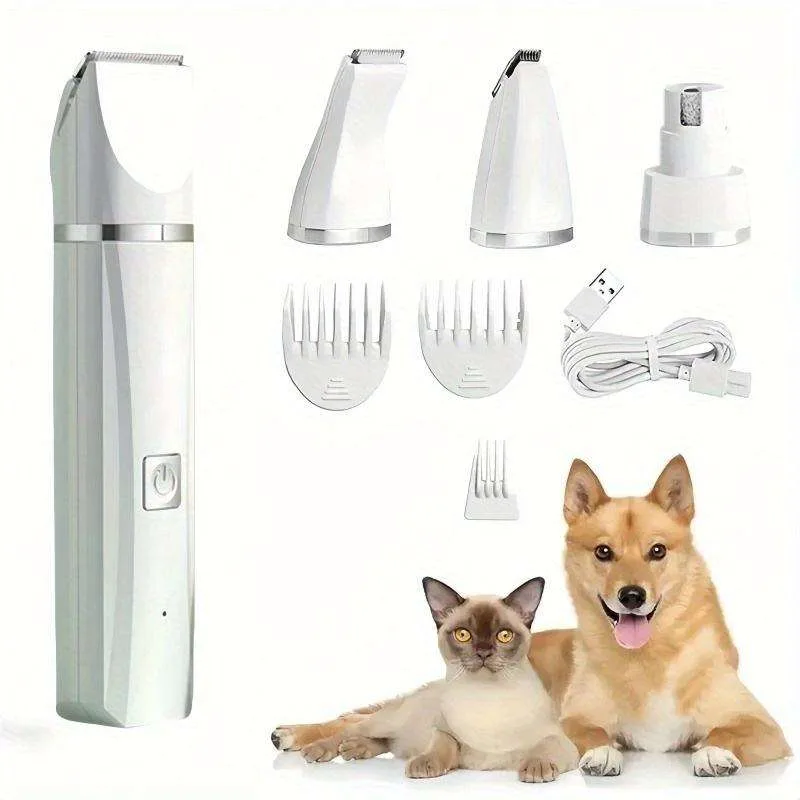
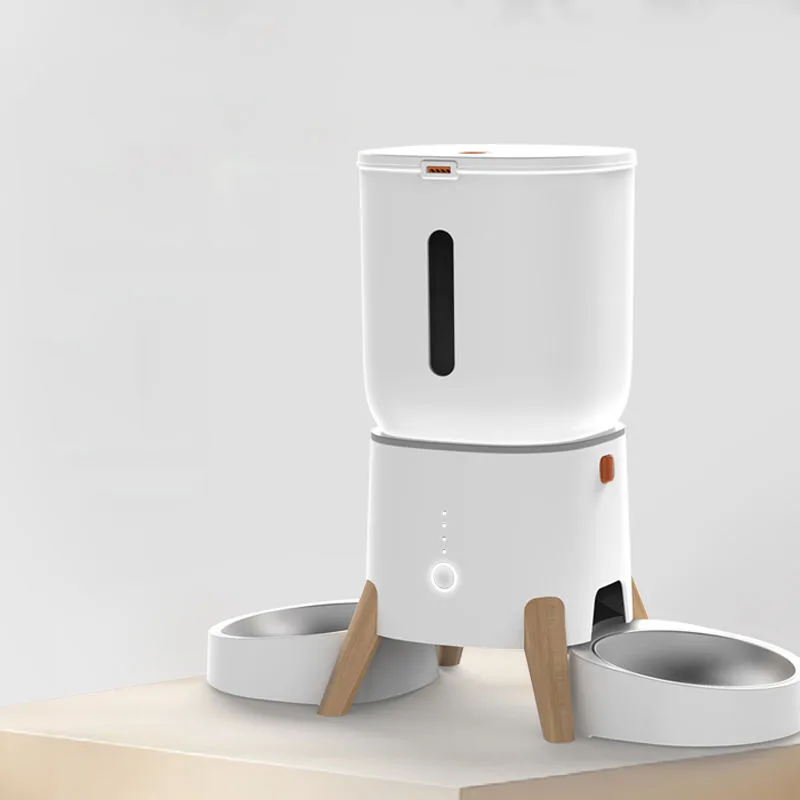
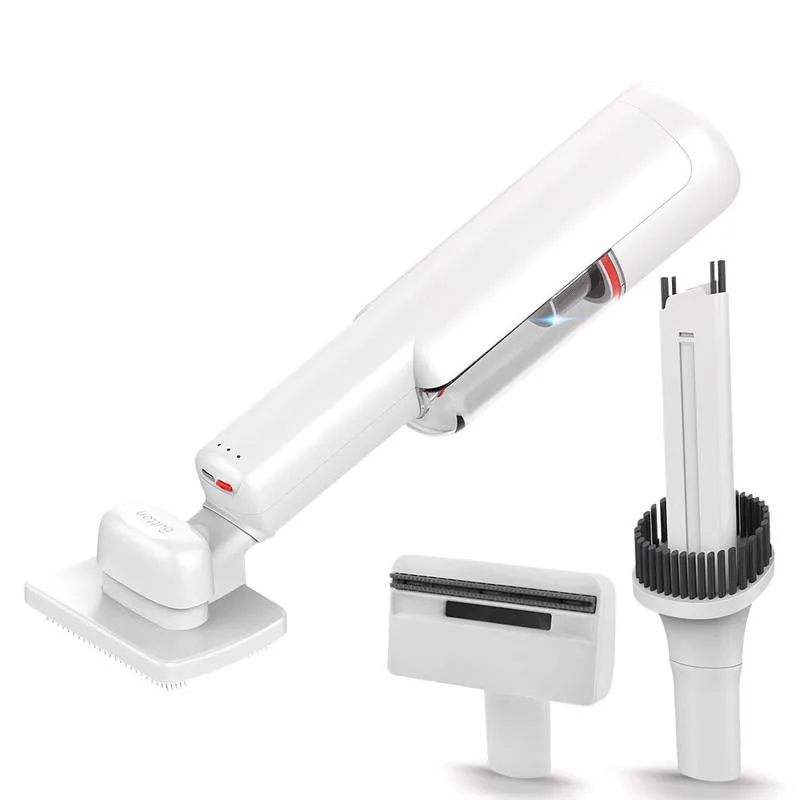
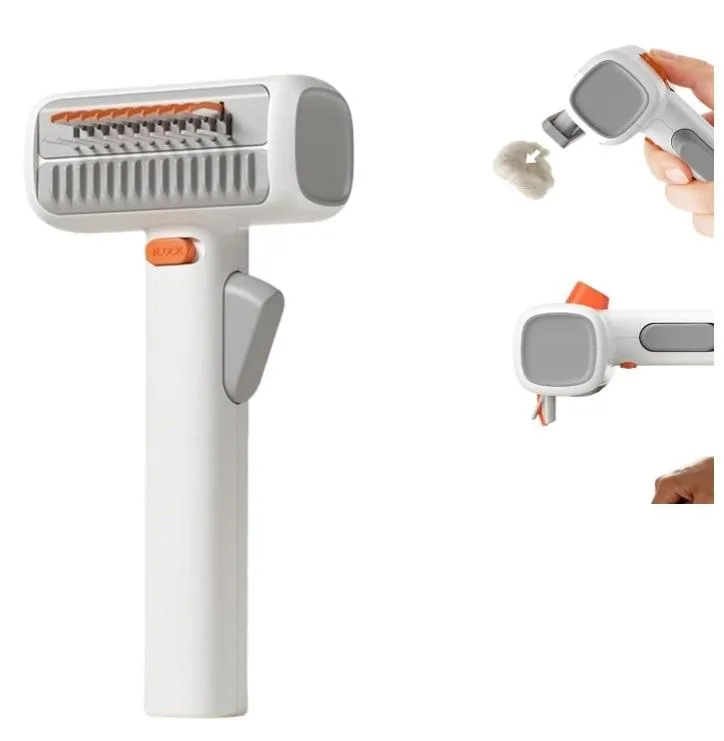
Companion placement is a category-management question, and the shelf reports suggest three natural neighbors. 1) A smart feeder, because feeding schedules and litter visits correlate, and the feeder line price band of $25.90 to $76.90 gives chains entry points at several tiers. 2) A water fountain, since hydration notes appear in the same owner purchase patterns, and stainless models clean as easily as the litter drawer. 3) A grooming brush, because shedding complaints and litter tracking arrive from the same households. Our data shows baskets built around a litter box, feeder, and fountain outperform single-SKU placements, an operational observation from register data rather than a forecast. In practice, with PetTech Global, the same OEM program structure covers all three categories, and the 12-month warranty applies across the range. Bundle the quick-start cards, keep the demo units powered, and let the shelf do the selling through 2026.
Ready to put the field notes to work? Request a quote from PetTech Global and receive sampling logs, certificates, and wholesale terms with the first reply.