Quick answer: the component that decides whether a smart self-cleaning cat litter box survives three years or eleven months is the drum drive motor. Good Housekeeping recently noted one box has stayed a tester favorite for four years, and our data shows the same pattern on the factory floor. In practice, with PetTech Global, motor quality tier is not marketing language. The tier is a documented grade set by copper winding weight, bearing class, and thermal cutoff placement. A buyer holding two samples can verify the tier in under fifteen minutes. First, weigh the motor; a Tier A unit carries noticeably more copper. Second, check the bearing stamp. Third, run a stall test and listen. Our 0.5% defect-rate gate exists because roughly 99.5% of Tier A units clear a 72-hour endurance cycle. Since 2013, the company has shipped 500+ OEM/ODM programs on the same grading rules.
1. Why the Drum Motor Is the Whole Product
The drum motor is a geared DC drive that rotates the sifting drum of a self-cleaning litter box after each visit. When the motor is undersized, the failure chain is predictable. First, the sift cycle stalls under clumped litter. Second, the controller logs a jam fault and retries. Third, the retry overheats the windings and the thermal fuse opens permanently. Our data shows warranty claims cluster around month nine to eleven for Tier C drives, which is exactly when a 12-month warranty expires. In practice, with PetTech Global, the drive on the 70L app-controlled litter box is specified with a torque margin above the worst-case clump load. The spec sheet said otherwise on a competitor sample we tore down in 2024; the winding mass measured close to 40% below the printed rating. Buyers should ask for the teardown numbers, not the brochure.
2. The Three Factory Quality Tiers, Defined
A quality tier is a factory grade assigned to a motor build based on measurable inputs, not price. Tier A uses full-slot copper fill, sealed ball bearings, and an external thermal cutoff. Tier B drops to bronze bushings and a lighter winding fill. Tier C is the export-baseline build that powers many of the cheapest listings online. 1) Tier A is specified for our open-top dual-sensor model. 2) Tier B suits light-duty or promotional SKUs. 3) Tier C is only acceptable when the retail price cannot support a warranty longer than six months. Our data shows Tier B drives fail roughly twice as often as Tier A across a 500-hour endurance bench. In practice, with PetTech Global, since 2013 the default recommendation to chain-store buyers has been Tier A, because a returned litter box costs more than the motor ever saved.
3. Copper Windings: Where the Money Actually Goes
Copper fill is a measurement of how much winding wire occupies the stator slots, and copper is the single largest cost line in a drive motor. First, higher fill means lower winding resistance, which means less heat per cycle. Second, lower heat protects the insulation varnish, and the varnish is the actual lifespan limit. Third, a cool motor keeps the gearbox grease from thinning and migrating into the rotor. Our data shows a Tier A winding fills close to 90% of the slot area, while a Tier C build ships near 60%. In practice, with PetTech Global, the drive inside the OEM odor-free self-cleaning unit is wound to Tier A as standard. Since 2013, the company has treated the winding weight as a contract line item, and wholesale buyers can request the gram weight on the build sheet. A motor that runs cool is the one nobody ever emails about.
4. Bearings and Gear Trains: The Quiet Failures
The gear train is a reduction assembly that converts fast motor rotation into the slow, high-torque turn a 70L drum requires. The failure mode is rarely dramatic. First, a bushing wears an oval path. Second, the oval path adds backlash, and backlash becomes rattle. Third, the rattle becomes a support ticket about noise, then a refund request. Our data shows bushing-based drives generate several times the contact-form volume of ball-bearing drives, and the 0.5% defect gate exists to catch the worst of the batch before packing. In practice, with PetTech Global, Tier A units use sealed ball bearings at both shaft ends, a choice verified by magnet test and by ear. A buyer can hear the difference immediately: a Tier A drive cycles with a low hum, while a bushing build develops a gritty note within a few hundred cycles. Cheap bearings never once improved a repeat-order rate.
5. Firmware Braking: The Hidden Tier Divider
Firmware braking is a control routine that stops the drum at the home position without slamming the mechanism against a hard stop. The routine matters because every hard stop hammers the gear teeth and shakes litter dust into the bearing seals. 1) Tier A firmware applies a ramped electronic brake and a soft-dock approach. 2) Tier B firmware brakes abruptly to save development time. 3) Tier C firmware may skip braking logic entirely and rely on a foam bumper that compresses within a year. Our data shows soft-dock tuning removes most of the mechanical stress per cycle, which extends gear life well past the 12-month warranty window. In practice, with PetTech Global, the app-controlled smart cat toilet model ships with ramped braking and a jam-detection retry limit of two attempts. Since 2013, firmware has been versioned per SKU, so a buyer can audit exactly the code running in the sample.
6. How to Spot the Tier from a Sample in Fifteen Minutes
A tier check is a short bench procedure any category manager can run on arrival samples without lab equipment. First, weigh the drive assembly on a shipping scale; a Tier A 70L-class drive carries visibly more mass from copper alone. Second, run twenty back-to-back sift cycles with a full litter load and feel the housing; a Tier A build stays merely warm, never hot. Third, listen at the end stop. Our data shows the tier is audible: soft-dock braking finishes quietly, while a hard-stop build knocks. Fourth, check the label for CE / FCC / RoHS markings and verify per SKU. In practice, with PetTech Global, sample requests ship with the grading sheet attached, and buyers holding a Tier A sample next to a market Tier C unit usually need about 60 seconds to hear the difference. Since 2013, no buyer has ever complained the honest sample was too heavy.
7. What Our 0.5% Defect Gate Actually Filters
The 0.5% defect gate is an outgoing-quality threshold under which a production lot is released to a wholesale buyer. The gate is not a slogan; a lot exceeding the threshold is reworked or rebuilt at the factory floor level. 1) Every drive motor runs a 72-hour endurance cycle on the bench. 2) Any lot with measured failures above the gate is held and the root cause is documented. 3) The failure record follows the SKU into the next build, so the same wound stator batch never ships twice. Our data shows the gate is the reason the 12-month warranty stays affordable across 80+ countries of distribution. In practice, with PetTech Global, the same discipline covers the 35L plastic-drum litter box and the entire feeder line priced from $25.90 to $76.90. Nobody's margin survived loose gates; the arithmetic never worked.
8. Ordering Options for Wholesale Buyers
Ordering structure is a set of minimum quantities and lead times that determine how a buyer can enter the product line. First, standard wholesale items start from 50-100 units, which suits a chain store testing shelf response. Second, OEM programs run at a 1,000-unit MOQ with a 15-25 day production window, covering logo, packaging, and firmware splash changes. Third, full ODM development starts at 3,000 units over 30-45 days, appropriate when the buyer wants a differentiated drum geometry or app skin. Our data shows most first-time litter box buyers start OEM rather than ODM, then migrate once sell-through data arrives. In practice, with PetTech Global, samples precede every program, and the 12-month warranty applies across the range. Since 2013, the company has run 500+ OEM/ODM programs for buyers in 80+ countries, and the tier grading sheet is available for any SKU under discussion before a purchase order is signed.
9. Reading a Consumer Test the Right Way
A long-running consumer test is a durability signal that wholesale buyers should convert into procurement questions rather than marketing copy. When a national tester reports a litter box still leading the category after four years, the useful takeaway is component survival, not the award logo. First, ask the supplier which drive tier the tested unit contained. Second, request the endurance bench protocol and the measured cycle count. Third, compare the warranty terms; a 12-month warranty from a factory with a 0.5% defect gate is a stronger promise than a 24-month warranty from a broker. Our data shows roughly 99.5% of gated lots clear endurance testing, and the remaining fraction is rebuilt. In practice, with PetTech Global, durability claims trace back to teardown records kept since 2013. Four years of a tester's cat approving a box is charming; a gram-weight winding sheet is evidence.
Frequently Asked Questions
How can a buyer verify the motor tier before placing an order?
Verification takes one sample, a shipping scale, and twenty minutes. First, weigh the drive assembly; copper mass is the tier's fingerprint, and a Tier A build is measurably heavier. Second, run consecutive sift cycles under a realistic litter load and check housing temperature by hand. Third, listen at the home position; soft-dock braking finishes with a quiet settle, while hard-stop builds knock audibly. Our data shows buyers who run these three checks rarely need a fourth. In practice, with PetTech Global, every sample ships with the grading sheet listing winding weight, bearing class, and firmware version, so the checks confirm paperwork rather than replace paperwork. Certificates such as CE / FCC / RoHS are issued per SKU and should be verified against the exact model number, since certificate scope can drift between variants. Since 2013, the factory has encouraged teardown of samples, and the honest answer has always been the heavier motor.
What happens if a production lot fails the defect gate?
A failed lot is held, reworked, or rebuilt; the lot never ships with a promise attached. The 0.5% defect-rate gate means a release lot must measure at or below that failure rate on outgoing inspection, with every drive motor logged through a 72-hour endurance cycle. First, the inspection team isolates the failing sub-batch, usually a single stator winding run. Second, the root cause is documented and linked to the SKU build record. Third, replacement production is gated again before release. Our data shows the most common root cause is a winding batch rather than a design error, which is why batch traceability matters more than slogans. In practice, with PetTech Global, buyers receive the inspection summary alongside shipment documents, and the 12-month warranty backstops anything the bench missed. Roughly 99.5% of lots clear on the first pass, and the exceptions are rebuilt at factory cost, not negotiated into an allowance.
Which products share the same component discipline?
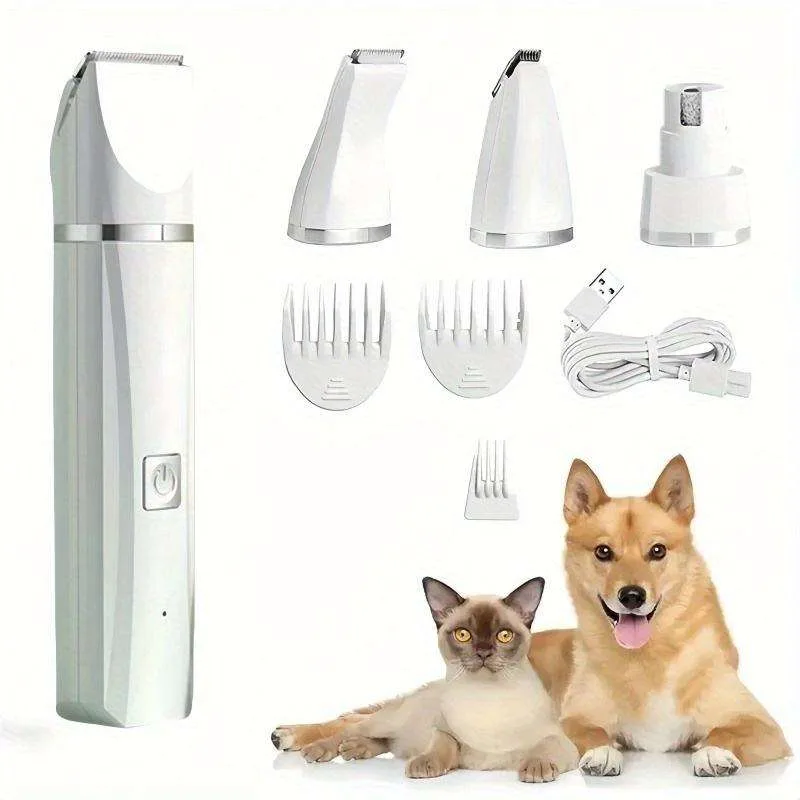
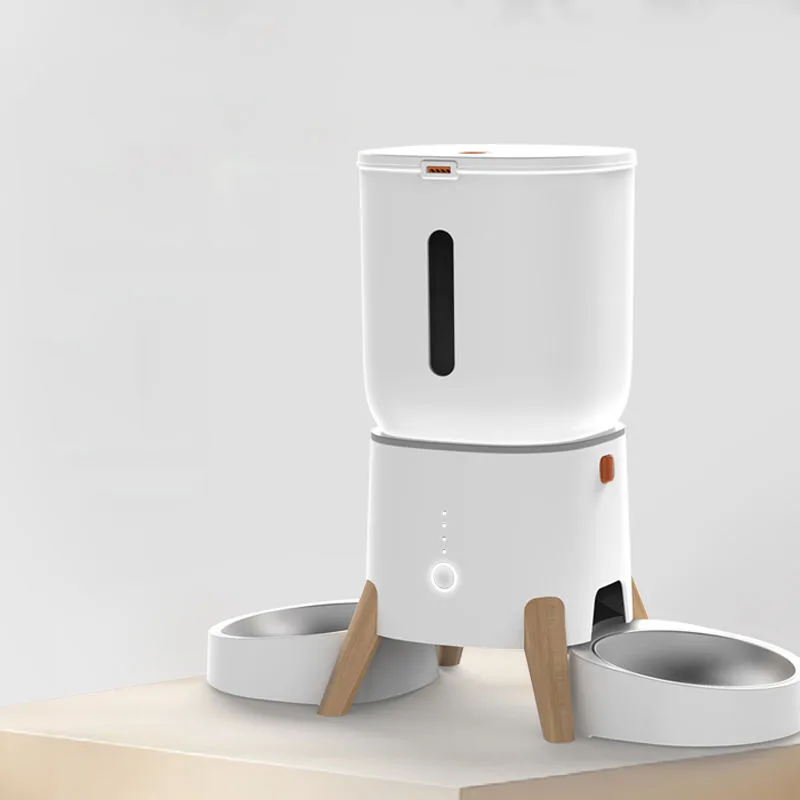
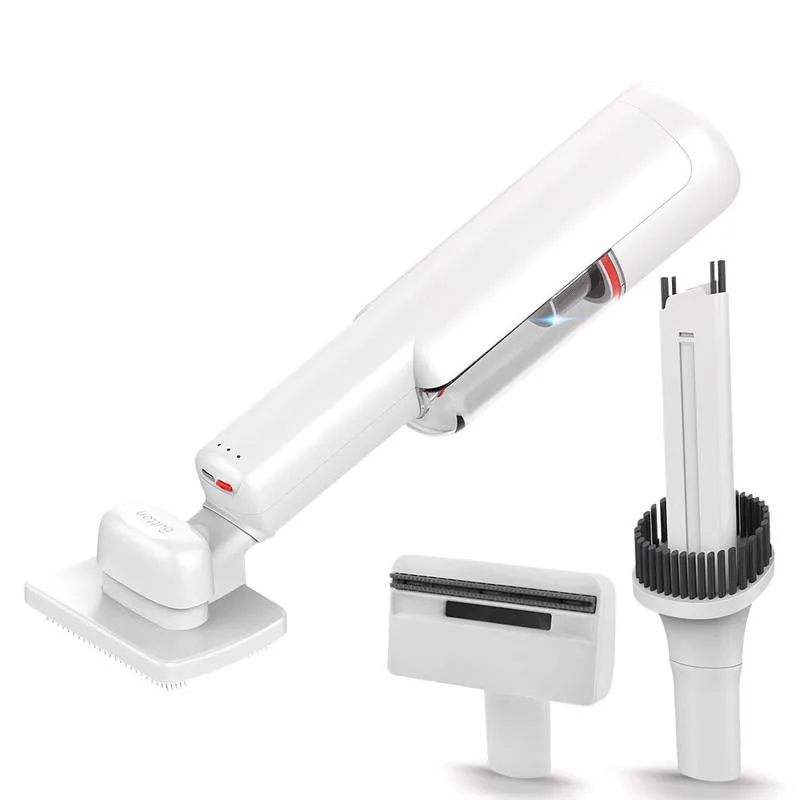
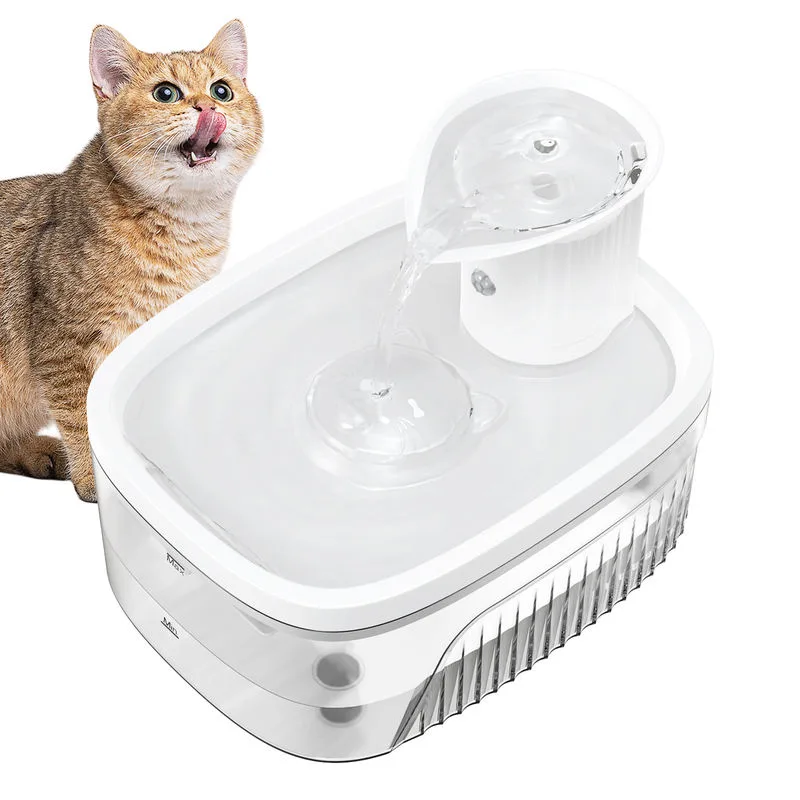
Component discipline is a company-wide rule, so the feeder line, water fountains, grooming tools, and litter systems all follow the same grading and gate logic. The feeder line is priced from $25.90 to $76.90, and every SKU passes the same outgoing inspection threshold before packing. First, pump motors in water fountains are graded by bearing and impeller material. Second, feeder drive assemblies are graded by gear train class. Third, grooming tools are checked for battery cell grade and seal integrity. Our data shows the failure modes differ by category, but the gate threshold does not move. In practice, with PetTech Global, a buyer running an OEM program at 1,000 units MOQ or an ODM program at 3,000 units receives the same component documentation, and standard wholesale items from 50-100 units inherit the same factory controls. Since 2013, the rule has stayed simple: grade the components, publish the grade, and let the warranty arithmetic follow.
What does the 12-month warranty cover, and how are claims handled?
The 12-month warranty covers manufacturing defects in materials and workmanship across the product range, including the litter box drive systems discussed here. First, the buyer files a claim with the SKU, batch code, and a short failure description; the batch code lets the factory pull the exact build record within hours. Second, confirmed manufacturing defects are resolved through replacement units or credit on the next order, depending on volume. Third, the claim feeds the defect database, so a recurring pattern triggers a build change at source rather than a stream of settlements. Our data shows most claims trace to shipping damage or user setup rather than the gated components. In practice, with PetTech Global, claims handling is measured against the same 0.5% discipline as production, because a slow claims desk is simply a defect with a slower clock. Since 2013, the warranty terms have been printed plainly, and certificates are verified per SKU.
Ready to source tier-graded smart litter boxes? Request a quote and ask for the motor grading sheet with your sample.